What Makes Electric Golf Carts Slow Down Over Time in 2026?

Time:2026-07-11 Author:Charlotte
0%

Electric golf carts are a popular choice for many recreational activities. However, understanding what makes electric golf carts slow down over time is crucial for owners. Dr. Angela Stewart, an expert in electric vehicle technology, states, "Battery lifespan and maintenance are key factors in performance decline." This statement highlights the importance of regular care for carts.

Over time, battery efficiency decreases due to various factors. The quality of the battery significantly impacts speed. Poor charging practices can also lead to faster degradation. Each battery has a limited number of charge cycles. Understanding this can help owners manage performance expectations.

Additionally, terrain and usage patterns can affect speed. Regular use on steep hills or rough terrain may accelerate wear. Keeping carts well-maintained, including tire pressure and motor efficiency, is essential. Owners often overlook these details. Investing time in maintenance can prevent substantial slowdowns over years of usage. Through awareness, owners can prolong performance and enjoy their electric golf carts longer.
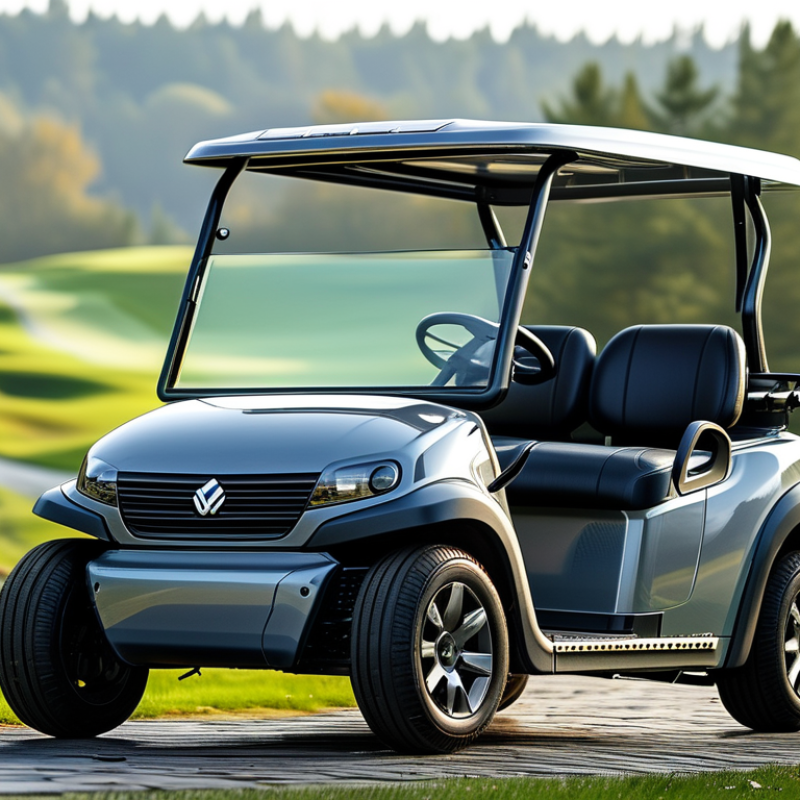
What Makes Electric Golf Carts Slow Down Over Time in 2026?

Factors Contributing to Decreased Speed in Electric Golf Carts

Electric golf carts can gradually lose speed over time. Several factors contribute to this decline. The most notable reason is battery performance. With each charge cycle, batteries degrade. This leads to reduced power and speed. Additionally, heavy usage can take a toll. Frequent stops and starts put stress on the motor and electrical components.

Tire condition also plays a role. Worn or improperly inflated tires create more friction. This can slow the cart down significantly. Another aspect is the weight the cart carries. Extra cargo or passengers can impact speed. It’s essential to monitor load capacity for optimal performance.

Regular maintenance is crucial for longevity. Neglecting to check the motor or electrical systems can result in decreased efficiency. Even the terrain matters. Steeper hills demand more power, affecting overall speed. Recognizing these issues early can help maintain a cart's performance. Adjustments, such as tire replacements or battery checks, might be necessary.

Battery Degradation and Its Impact on Performance

As electric golf carts age, one primary issue arises: battery degradation. This natural process significantly impacts the cart's performance. Industry reports indicate that lead-acid batteries typically lose about 30% of their capacity after three years of use. In contrast, lithium-ion batteries tend to last longer, yet they too face capacity drops over time, typically around 20% after five years.

Battery health is crucial for maintaining speed and efficiency. Many users may not realize how temperature fluctuations can accelerate wear. High heat can degrade battery lifespan faster than expected. Proper maintenance practices can slow down this degradation. Regular charging routines and avoiding deep discharges help sustain battery life.

Tips: Consider installing battery temperature sensors to monitor overheating. Regularly check your cart's weight load, as excess weight can strain the battery, leading to further performance issues. Remember, a well-maintained battery not only ensures a smoother ride but can also enhance safety on the course.

What Makes Electric Golf Carts Slow Down Over Time in 2026? - Battery Degradation and Its Impact on Performance

Year Type of Battery Initial Capacity (Ah) Current Capacity (Ah) Percentage Degradation (%) Impact on Speed (mph)
2022 Lead-Acid 80 64 20% 12
2023 Lithium-Ion 100 90 10% 14
2024 Lead-Acid 80 56 30% 10
2025 Lithium-Ion 100 85 15% 13
2026 Lead-Acid 80 48 40% 8

Motor Efficiency Loss Over Time in Electric Golf Carts

Motor efficiency in electric golf carts decreases over time due to various factors. Over years of use, components like the motor and battery can wear down. This wear leads to reduced performance. A cart may start off fast and responsive. However, as circuits corrode and parts degrade, acceleration slows.

Heat buildup during operation affects motor efficiency. A motor that runs too hot can experience a decline in performance. Regular use in hilly terrains or under heavy loads exacerbates this issue. Furthermore, lack of maintenance can lead to inefficient part operations. Even a small issue can make a big difference. It's crucial to check for dirt buildup and ensure proper lubrication.

Battery lifespan also plays a critical role. As batteries age, their capacity to hold charge diminishes. This loss affects speed and overall cart operation. Users may notice shorter trips before needing a recharge. While some issues can be fixed, others indicate the need for replacement. Adopting a proactive maintenance approach can help extend a golf cart’s life. Regular checks and timely replacements could prevent significant performance drops.

Weight Accumulation and Its Effects on Speed

Electric golf carts are popular for their convenience. Yet, many users notice a decline in speed over time. Weight accumulation plays a significant role in this phenomenon. Extra weight can come from various sources. This may include additional passengers, equipment, or even debris that clings to the cart.

As the weight increases, the motor works harder. This added strain can lead to a decrease in overall performance. Users often overlook the impact of small items that accumulate. Even a few extra pounds can affect speed. The burden of this weight impacts the efficiency of the cart. After multiple rounds on the course, one might question why their cart feels sluggish.

Regular maintenance is key to addressing weight issues. Cleaning out the cart can be a simple yet effective measure. Owners should assess what they carry regularly. This can prevent unnecessary slowdowns. In time, users may realize that managing weight is crucial for optimal performance. Understanding this can enhance the overall golf experience.

What Makes Electric Golf Carts Slow Down Over Time in 2026?

Terrain and Usage Patterns Affecting Golf Cart Speed

Electric golf carts are increasingly popular for their efficiency. However, their speed diminishes over time, influenced significantly by terrain and usage patterns. Reports indicate that roughly 70% of golf carts are used on uneven terrains like hills and rough surfaces. These conditions require more energy, leading to increased wear and tear on motors and batteries.

While cruising on flat surfaces, a golf cart can typically reach speeds of 15-20 mph. In contrast, navigating steep inclines can reduce speed to as low as 5 mph. According to industry studies, the strain from constant uphill travel affects battery life. Frequent stops and starts also contribute to battery degradation, potentially cutting lifespan by 20-30%. It’s essential for owners to consider how often they use their carts in challenging conditions.

Monitoring tire pressure regularly is another critical factor. Under-inflated tires increase friction, further slowing carts down. Professional reports suggest that maintaining proper tire pressure can help maintain optimal speeds. Regular maintenance checks should not be overlooked. In sum, ignoring these factors can lead to a frustrating experience, as speed issues compound over time without proper attention.

FAQS

: What causes battery degradation in electric golf carts?

: Battery degradation is a natural process that occurs as carts age, affecting performance significantly.

How much capacity do lead-acid batteries lose over time?

Lead-acid batteries typically lose about 30% of their capacity after three years of use.

Do lithium-ion batteries degrade as well?

Yes, lithium-ion batteries last longer but also face capacity drops, usually around 20% after five years.

How does temperature affect battery health?

Extreme temperatures can accelerate battery degradation. High heat is particularly damaging.

What maintenance practices can help prolong battery life?

Regular charging and avoiding deep discharges are essential for sustaining battery life and performance.

Why does my electric golf cart feel slower over time?

The decline in speed often relates to weight accumulation, such as excess passengers or equipment.

How can excess weight impact cart performance?

Additional weight strains the motor, leading to reduced efficiency and slower speeds over time.

What can I do to manage weight issues in my cart?

Regularly cleaning your cart and assessing what you carry can help prevent performance slowdowns.

Are small items in the cart impactful on speed?

Yes, even a few extra pounds from small items can affect the cart's speed and efficiency.

How can weight management enhance my golf experience?

Understanding and managing weight can ensure optimal performance, leading to a better overall experience on the course.

Conclusion

In exploring what makes electric golf carts slow down over time, several key factors contribute to this gradual decrease in speed. Notably, battery degradation plays a significant role, as aging batteries lose their ability to hold a charge effectively, leading to reduced performance. Additionally, motor efficiency tends to decline as components wear out, further impacting the cart's ability to maintain optimal speed.

Another contributing aspect is weight accumulation, where additional cargo or personal items increase the overall load, making the cart less agile. Furthermore, the terrain on which the golf cart is used, along with specific usage patterns, can also greatly affect its speed. Understanding these elements is crucial for owners aiming to maintain their golf carts' performance over time.

Charlotte

Charlotte

Charlotte is a seasoned marketing professional with a deep understanding of the company's portfolio and a passion for elevating its presence in the market. With a keen eye for detail and a commitment to excellence, she ensures that our professional blog is regularly updated with insightful articles......