Explore our engineering-grade components, smart charging systems, and rugged battery assemblies designed for optimal fleet performance.
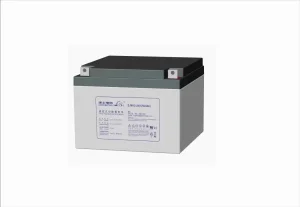
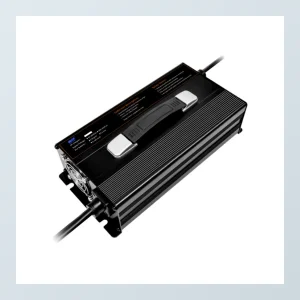
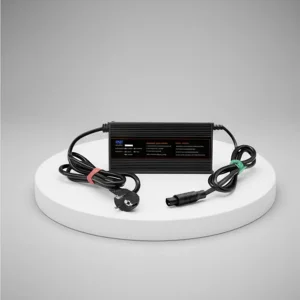
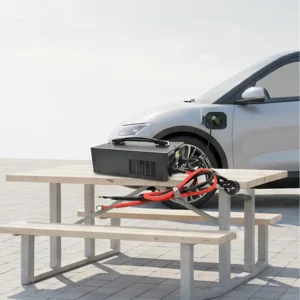
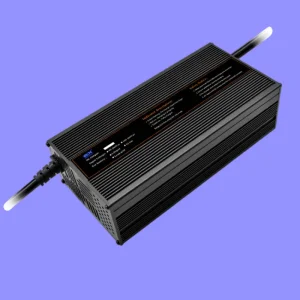
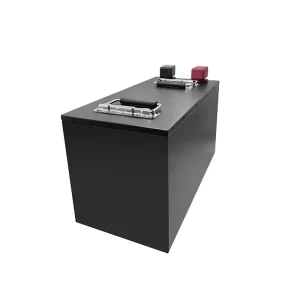
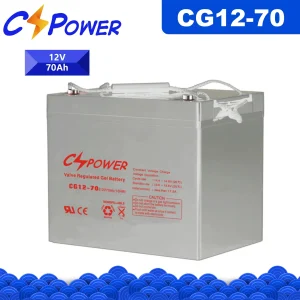
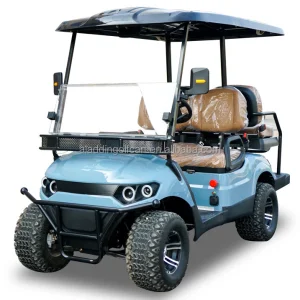
The global fleet management landscape is undergoing a critical transition. While alternative chemistries emerge, deep-cycle lead-acid battery golf cart systems remain the anchor technology for resort complexes, professional courses, and municipal utility vehicles. This persistence is not merely due to historical inertia but is rooted in substantial technological advancements in electrochemistry, active material distribution, and grid structural integrity.
Modern lead-acid battery designs incorporate structural enhancements such as advanced carbon-doped negative plates, robust glass-mat separators, and precision-engineered cast grids. These enhancements minimize internal resistance, suppress sulfation during extended deep discharge cycles, and guarantee consistent power delivery even in hostile thermal environments. Industrial engineering demands a balance between initial acquisition expenditures (CapEx) and long-term operating costs (OpEx), positioning lead-acid as a highly competitive option for large fleets.
Enhanced Grid Alloy Formulations: Lead-calcium-tin alloys reduce self-discharge rates and water consumption, lowering the total maintenance overhead for fleet operators.
High-Density Active Material (HDAM): Custom manufacturing processes increase paste adhesion to the grid structure, maximizing active material density and extending service life.
Polypropylene Structural Enclosures: High-impact, structurally reinforced outer casings resist physical impacts, vibration damage, and environmental deterioration.
Sourcing directors at commercial resorts, industrial operations, and rental fleets require rigorous proof of durability and return on investment.
B2B buyers seek predictable cycle performance. Procurement evaluations look closely at real-world depth of discharge (DoD) vs cycle curves to ensure the golf cart fleets can complete multi-shift operations without catastrophic voltage drop under load.
Voltage sag under steep inclines degrades drive components and compromises speed. Standard lead-acid units must utilize optimized grid geometry and high-density lead-peroxide compounds to maintain stable operational voltage levels.
B2B entities prioritize closed-loop supply chains. Lead-acid batteries stand out with a 99% recycling efficiency worldwide, ensuring businesses meet environmental guidelines (ESG) and minimize disposal liabilities.
The manufacturing architecture for industrial battery components has evolved far beyond traditional assembly operations. Lead-acid battery production in China's Factory 4.0 ecosystems leverages deep process automation, precision environmental control systems, and automated optical inspection (AOI) to eliminate structural defects during plate production and assembly.
At Ningbo GLHF Golf Co., Ltd., our production methodologies demonstrate this technological progression. Advanced casting machines control grid thickness down to micrometer tolerances, preventing grid growth and short circuits. Our automated mixing systems accurately dose positive and negative active materials, guaranteeing consistent capacity and internal cell stability across massive manufacturing batches.
By integrating automated curing chambers, automated plate pasting, and continuous charging lines, GLHF ensures that every battery cell conforms to rigorous safety parameters and performance tolerances before distribution. This engineering precision provides global buyers with stable lead times, reduced defects, and long-term cost benefits.
Ningbo GLHF Golf Co., Ltd. is a professional manufacturer specializing in electric golf carts and golf course mobility solutions. The company focuses on the design, development, and production of lithium and lead-acid battery-powered golf vehicles, providing reliable transportation solutions for golf courses, resorts, residential communities, hotels, and commercial facilities worldwide.
Since its establishment, GLHF Golf has built a strong foundation in electric mobility engineering and golf industry applications. In its early stage, the company concentrated on assembling basic lead-acid battery golf carts for domestic markets, gradually gaining experience in vehicle structure optimization and battery management systems. As demand for cleaner and more efficient energy solutions increased, the company entered a rapid development phase, introducing lithium battery technologies and upgrading its product line to meet international standards.
Over the years, GLHF Golf expanded its manufacturing capabilities with advanced production lines, precision assembly workshops, and strict quality control systems. The company continuously improved core technologies such as electric drivetrain efficiency, battery endurance, and vehicle safety performance. At the same time, it developed a diversified product portfolio covering passenger carts, utility carts, and customized fleet solutions for large-scale golf course operations.
Today, Ningbo GLHF Golf Co., Ltd. serves global clients with a strong commitment to innovation, durability, and energy efficiency. With ongoing investment in smart mobility systems and sustainable transportation technologies, the company aims to become a leading international supplier of electric golf cart solutions, delivering high-performance, eco-friendly vehicles for modern golf and leisure industries.
Understanding the electrical differences between standard flooded lead-acid (FLA), Absorbent Glass Mat (AGM), and Gel batteries is critical for optimal system design.
| Battery Configuration | Typical Cycle Life (50% DoD) | Maintenance Profile | Vibration Resistance | Relative Cost Factor | Primary Industrial Use Case |
|---|---|---|---|---|---|
| Flooded Lead-Acid (FLA) | 500 - 750 cycles | Periodic fluid watering required | Moderate | 1.0 (Baseline) | Large-scale commercial golf courses, flat terrains |
| Absorbent Glass Mat (AGM) | 600 - 900 cycles | Sealed, maintenance-free | High | 1.4 - 1.6x | Extreme terrains, cold storage, multi-shift fleets |
| Gel Electrolyte System | 800 - 1200 cycles | Sealed, maintenance-free | Superior | 1.5 - 1.8x | High-temperature regions, heavy industrial facilities |
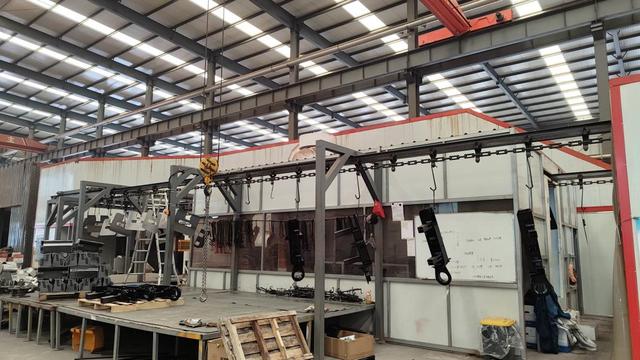
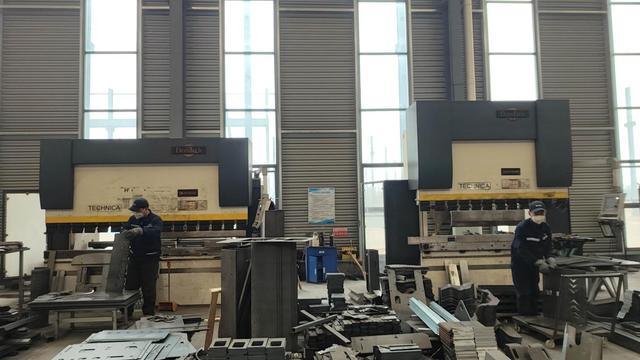
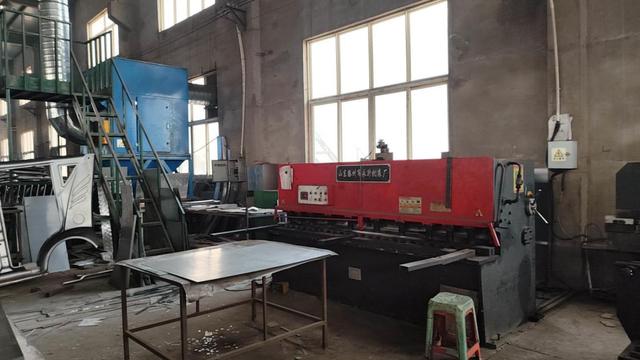
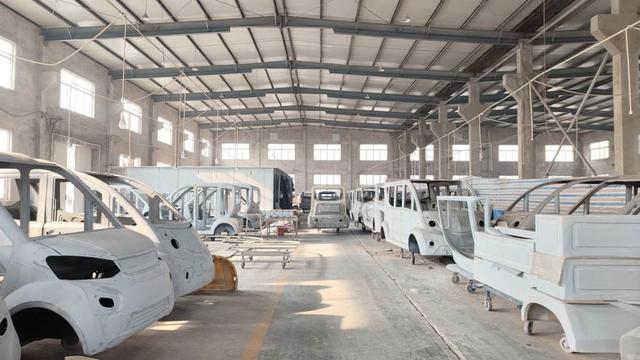
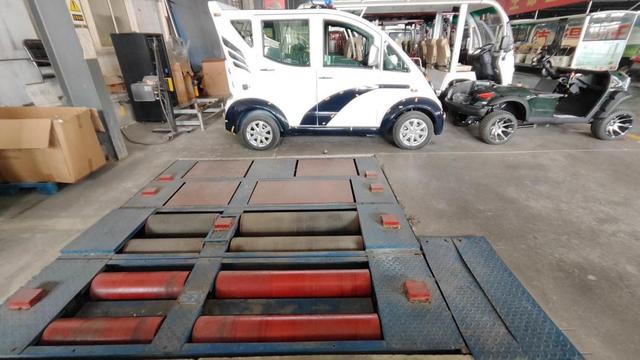
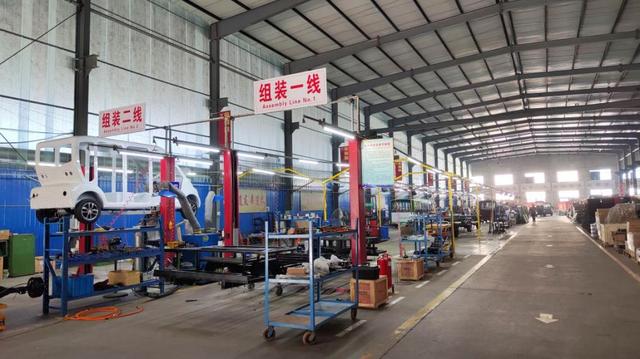
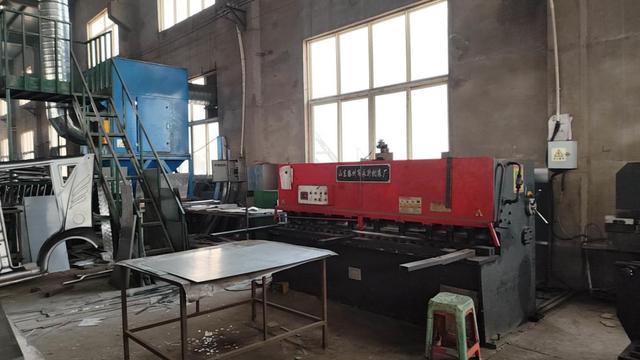
A visual overview of our advanced production lines, vehicle chassis assembly bays, quality testing, and precision components manufacturing facility.

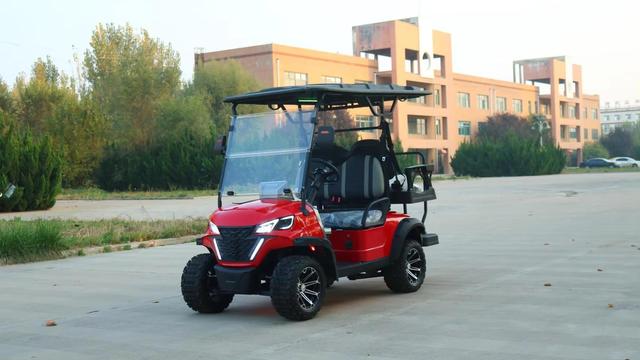
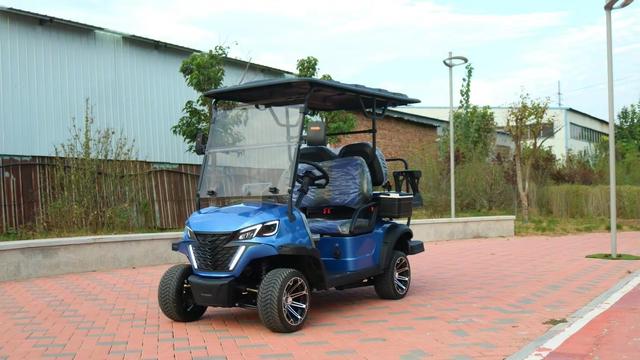
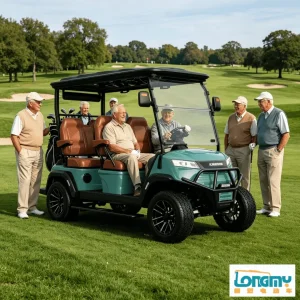
How our lead-acid battery and golf vehicle systems perform in diverse commercial contexts around the globe.
Alternative batteries drop in performance when temperatures drop below 0°C. Standard lead-acid variants (especially Gel systems) maintain stable discharge curves and steady capacities in cold climates, making them a preferred choice for resorts in northern regions.
High-turnover rental fleets require robust electrical components that can tolerate inconsistent charging habits. Lead-acid systems can handle repeated cycles with minimal capacity loss, thanks to robust grid alloys and smart pulse charging systems.
For transport vehicles in resorts and hotels, the low center of gravity provided by heavy-duty lead-acid installations provides stability on rugged paths and steep hills, improving both traction and ride quality.
Expert answers to common engineering questions regarding the purchase, design, and integration of lead-acid battery systems.
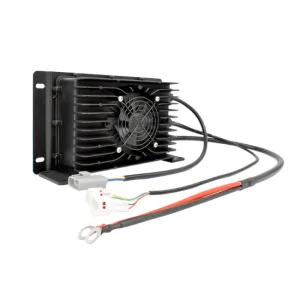
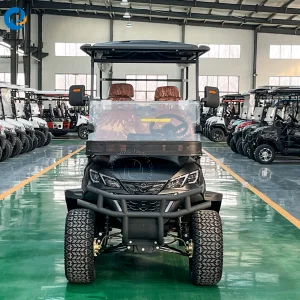
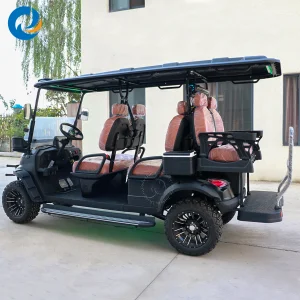
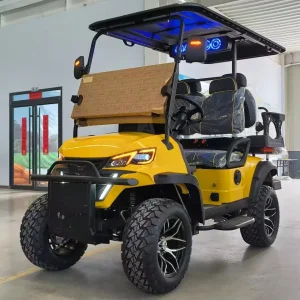
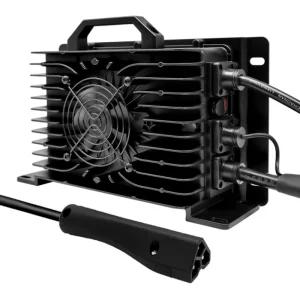
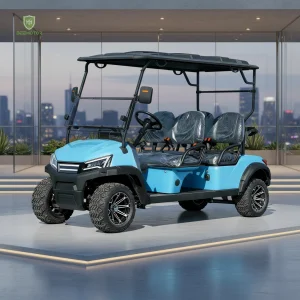
Explore our range of heavy-duty, all-weather commercial golf buggies and auxiliary battery charging solutions.
 GLHF Golf