Select premium safety-driven utility and passenger golf buggies customized for resorts, communities, and industrial operations.
Understanding the transition from mechanical foot pedals to intelligent active safety control networks.
In modern light electric vehicle (LEV) operations, passive safety controls are no longer sufficient to meet the liabilities and demands of commercial complexes, high-end resorts, and smart municipalities. Historically, golf buggies relied on mechanical drum brakes requiring manual driver lockouts. This legacy setup was vulnerable to rollaways, operator forgetfulness, and mechanical wear. As low-speed vehicles (LSVs) carry heavier payloads and move across diverse topography, integrated automatic braking systems (ABS) and IntelliBrake™ electromagnetic mechanics have emerged as the industry baseline.
This white paper focuses on the engineering paradigms of automatic braking safety golf carts, detailing the transition from secondary parking mechanisms to advanced active collision mitigation. Global manufacturers and corporate fleet operations managers must evaluate the lifecycle costs, safety implications, and legal liabilities of current braking technologies before deployment. The implementation of automatic electromagnetic systems minimizes accidents by over 74% in steep terrains and crowded pedestrian areas, transforming golf carts from standard transit buggies into smart, self-monitoring utility assets.
An analysis of electromagnetic actuation, hydraulic disc networks, and regenerative control loops.
Utilizes magnetic force field regulation. When power is applied, the coil releases the brake pad; when power drops or is cut, internal heavy-duty springs compress the friction plates, locking the motor shaft securely. This system ensures safety even during total electrical failure.
Ensures consistent hydraulic pressure across all four wheels, delivering a short stopping distance of under 4 meters at high speeds. Calibrated for multi-passenger fleets, this system avoids the fish-tailing and skidding common in older mechanical drum brakes.
Coordinates with the motor controller to turn the vehicle's momentum back into usable electrical energy during deceleration. This dynamic braking reduces mechanical wear on physical pads while extending the vehicle's driving range by up to 15%.
How commercial enterprises structure procurement specifications based on risk profiles.
B2B procurement directors at luxury resorts, airports, and industrial complexes look for specific safety features when purchasing golf cart fleets. The primary driver is risk management: a single passenger liability claim can exceed the cost of an entire fleet. In hilly environments, historical accident reports point to two main hazards: operators forgetting to lock the parking brake on inclines, and loss of control while traveling downhill. Fleet specifications are now shifting to require smart parking brakes as standard.
By defining procurement templates around active brake technologies, enterprise buyers reduce their long-term fleet operational costs, lower insurance premiums, and protect guests and staff from avoidable safety risks.
Modern fleet managers view the golf cart not just as a vehicle, but as an integrated node in a smart transit system. Integrating advanced automatic braking hardware with fleet telematics allows operations to monitor brake wear, predict system service needs, and implement geofenced speed limits in real time.
Additionally, modern CAN-bus architectures communicate sensor readings directly to centralized management hubs. Brake fluid levels, motor heat, pad thickness, and electrical anomalies are flagged automatically. This shifts operations from reactive maintenance to planned predictive servicing, reducing vehicle downtime by up to 35%.
Ningbo GLHF Golf Co., Ltd. is a professional manufacturer specializing in electric golf carts and golf course mobility solutions. The company focuses on the design, development, and production of lithium and lead-acid battery-powered golf vehicles, providing reliable transportation solutions for golf courses, resorts, residential communities, hotels, and commercial facilities worldwide.
Since its establishment, GLHF Golf has built a strong foundation in electric mobility engineering and golf industry applications. In its early stage, the company concentrated on assembling basic lead-acid battery golf carts for domestic markets, gradually gaining experience in vehicle structure optimization and battery management systems. As demand for cleaner and more efficient energy solutions increased, the company entered a rapid development phase, introducing lithium battery technologies and upgrading its product line to meet international standards.
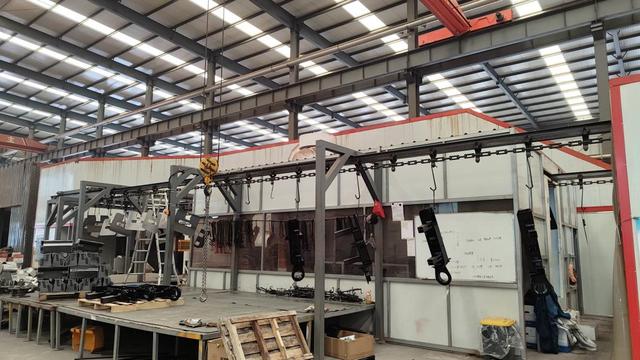
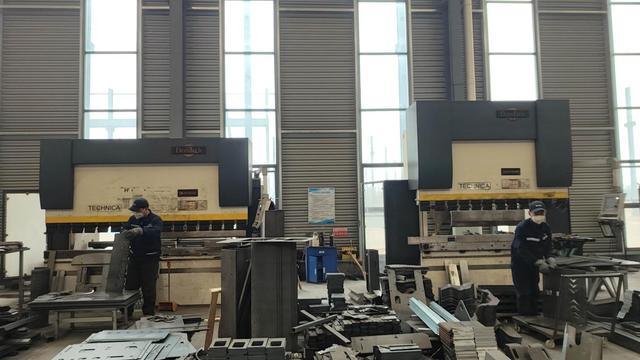
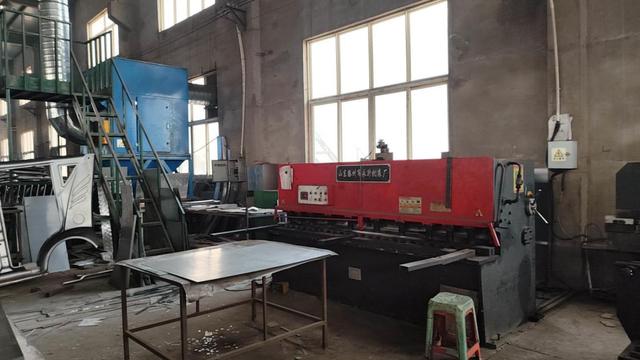
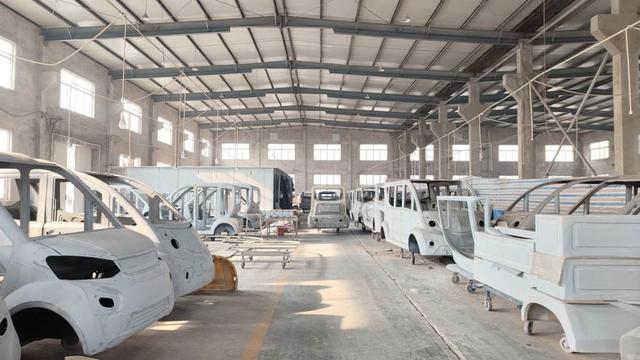
Over the years, GLHF Golf expanded its manufacturing capabilities with advanced production lines, precision assembly workshops, and strict quality control systems. The company continuously improved core technologies such as electric drivetrain efficiency, battery endurance, and vehicle safety performance. At the same time, it developed a diversified product portfolio covering passenger carts, utility carts, and customized fleet solutions for large-scale golf course operations.
Today, Ningbo GLHF Golf Co., Ltd. serves global clients with a strong commitment to innovation, durability, and energy efficiency. With ongoing investment in smart mobility systems and sustainable transportation technologies, the company aims to become a leading international supplier of electric golf cart solutions, delivering high-performance, eco-friendly vehicles for modern golf and leisure industries.
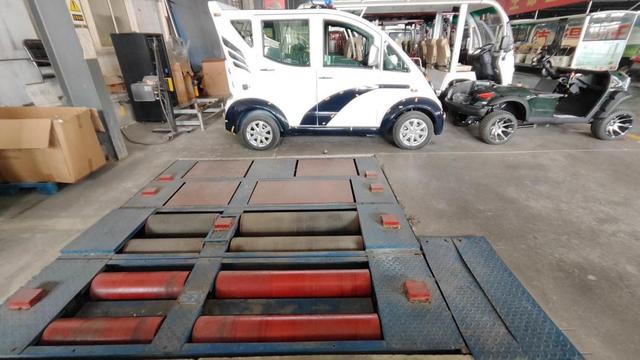
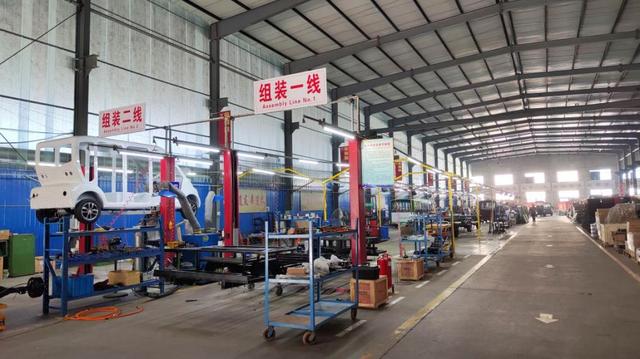
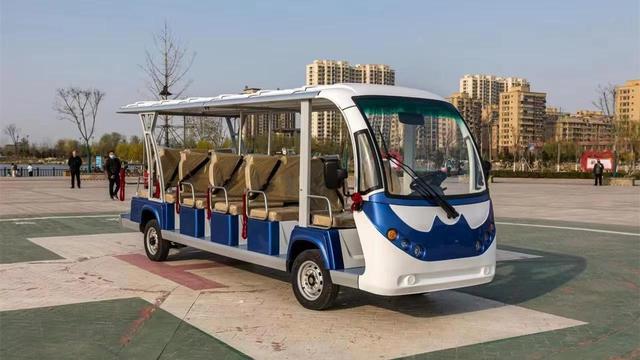
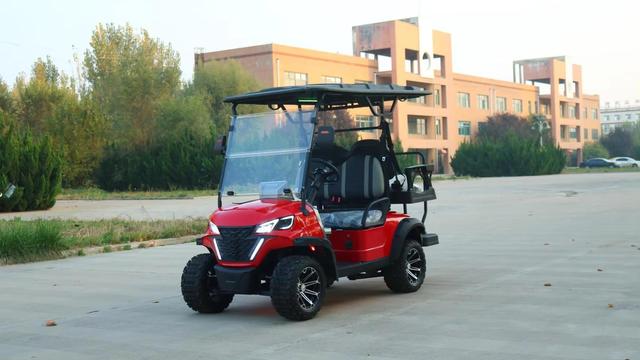
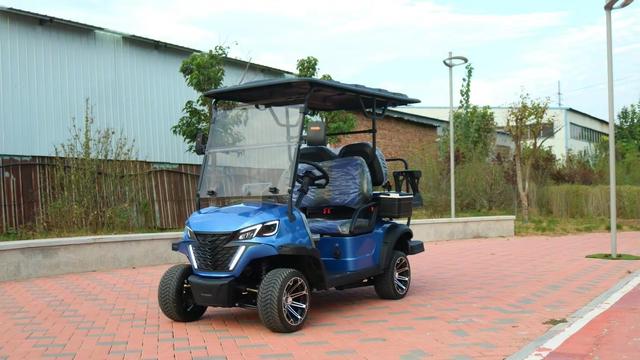
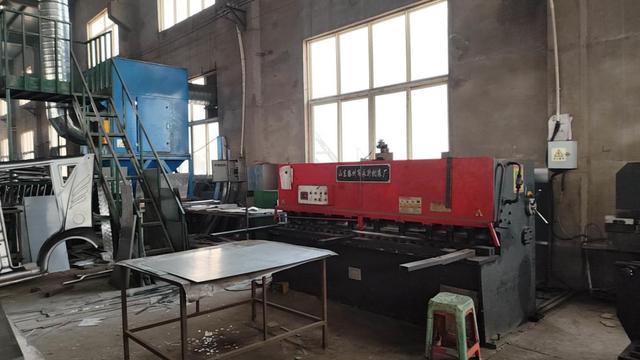
As micro-mobility continues to evolve, golf carts are shifting from simple transit vehicles to smart, autonomous shuttles. The development path for braking systems shows a clear trend toward digital integration and safety-first design:
Operating low-speed vehicles requires compliance with local and international traffic and safety regulations. Depending on the region, vehicles must meet specific standards to be legally used on public roads or within corporate campuses:
Clear answers to common questions about automatic braking systems and electric fleet operations.
Electromagnetic brakes (EMB) serve as an automated parking brake that locks the motor when static or when power is cut. Hydraulic disc brakes provide active, responsive braking while driving, using fluid pressure across all four wheels to stop the vehicle quickly under heavy loads.
The automatic parking brake is held open by electrical current during operation. When the cart stops or the key is turned off, the current cut allows heavy-duty internal springs to clamp the friction plates, locking the drivetrain without requiring driver action.
Lithium batteries require minimal maintenance compared to lead-acid batteries, with no water-filling needed. Maintenance is focused on regular checks of the Battery Management System (BMS), cleaning electrical connections, and inspecting brake pad wear.
Yes, provided they are configured with required street-legal packages—including headlights, turn signals, mirrors, seat belts, and hydraulic brakes—and certified to meet local DOT or EEC regulations for Low-Speed Vehicles (LSVs).
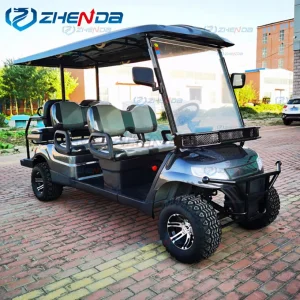
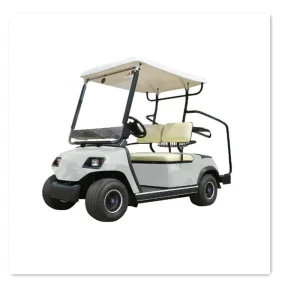
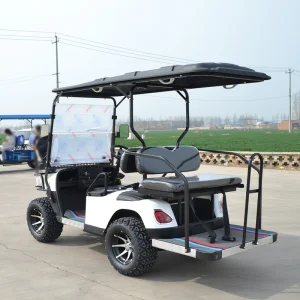
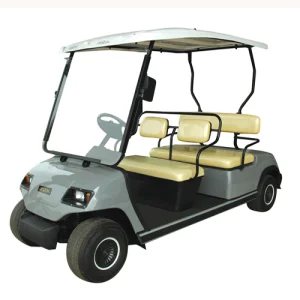
Browse our wide range of electric golf buggies, utility transporters, and luxury multi-passenger shuttles.
 GLHF Golf