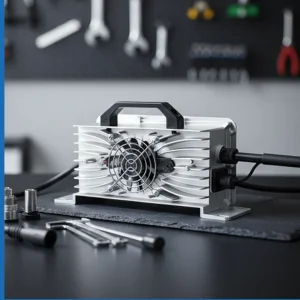
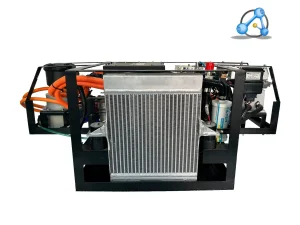
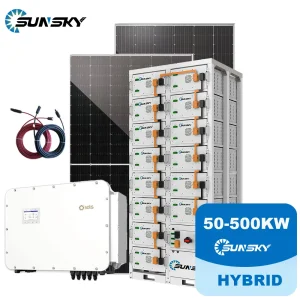
Explore our integration ecosystem, combining high-efficiency energy modules, smart charging, and heavy industrial structures.

Analyzing the technological and structural shifts driving the low-speed vehicle (LSV) fleet management landscape.
Modern golf course managers and fleet operators are transitioning from rigid monocoque frames to modular chassis platforms. A modular assembly allows rapid swapping of the aft module, converting a standard 2-seat vehicle into a cargo utility bed, 4-seat shuttle, or specialized maintenance unit within minutes. This increases utility utilization rates across multi-use resorts.
Lead-acid batteries are rapidly being replaced by advanced lithium-ion and hydrogen fuel cell systems. Integrated 48V and 72V LiFePO4 configurations paired with modern battery management systems (BMS) reduce total vehicle weight by up to 35%, extend charge lifecycles to over 3,500 runs, and eliminate seasonal maintenance costs.
Global supply chain logistics demand shipping cost minimization. Proprietary folding systems allow vehicles to collapse during transit, increasing container loading capacity by up to 120% per 40ft HQ container. On-site, these systems fold down to save space in off-season storage facilities.
Modern fleets are integrated with GPS geofencing, remote diagnostics, and smart fleet monitoring apps. Real-time battery state of charge (SoC) tracking, operational limits mapping, and structural stress telemetry reduce accident risks and improve management control.
Ningbo GLHF Golf Co., Ltd. is a professional manufacturer specializing in electric golf carts and golf course mobility solutions. The company focuses on the design, development, and production of lithium and lead-acid battery-powered golf vehicles, providing reliable transportation solutions for golf courses, resorts, residential communities, hotels, and commercial facilities worldwide.
Since its establishment, GLHF Golf has built a strong foundation in electric mobility engineering and golf industry applications. In its early stage, the company concentrated on assembling basic lead-acid battery golf carts for domestic markets, gradually gaining experience in vehicle structure optimization and battery management systems. As demand for cleaner and more efficient energy solutions increased, the company entered a rapid development phase, introducing lithium battery technologies and upgrading its product line to meet international standards.
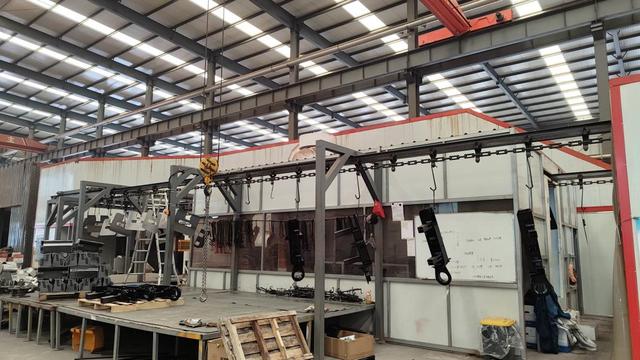
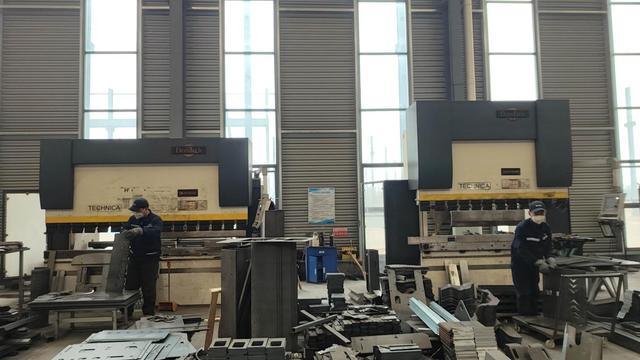
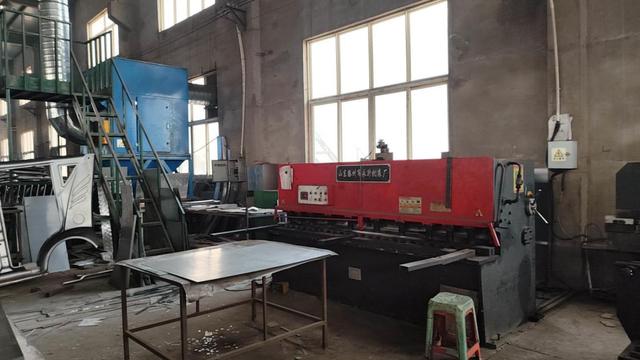
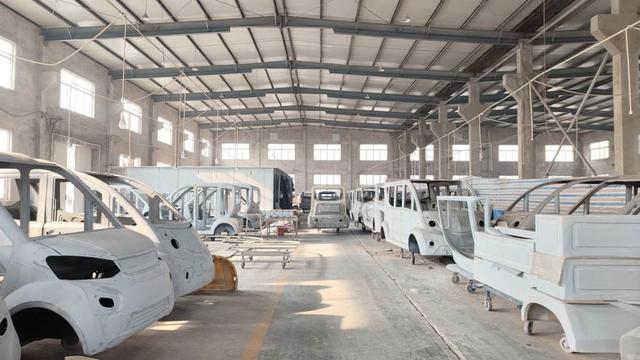
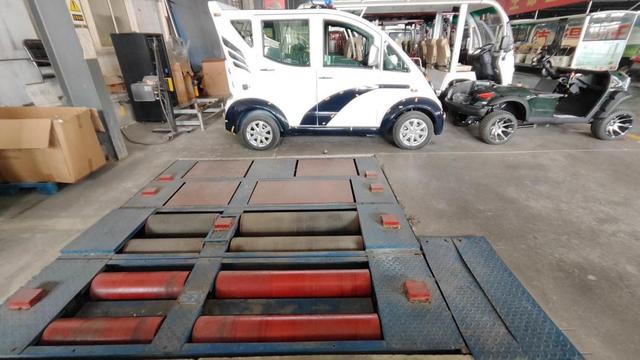
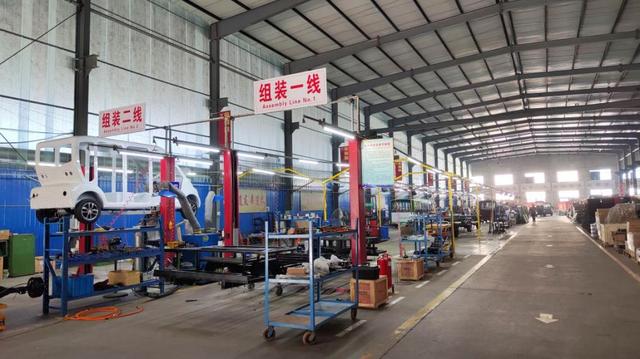
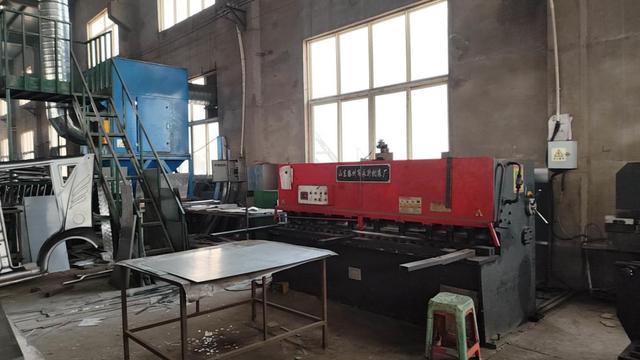
Over the years, GLHF Golf expanded its manufacturing capabilities with advanced production lines, precision assembly workshops, and strict quality control systems. The company continuously improved core technologies such as electric drivetrain efficiency, battery endurance, and vehicle safety performance. At the same time, it developed a diversified product portfolio covering passenger carts, utility carts, and customized fleet solutions for large-scale golf course operations.
Today, Ningbo GLHF Golf Co., Ltd. serves global clients with a strong commitment to innovation, durability, and energy efficiency. With ongoing investment in smart mobility systems and sustainable transportation technologies, the company aims to become a leading international supplier of electric golf cart solutions, delivering high-performance, eco-friendly vehicles for modern golf and leisure industries.
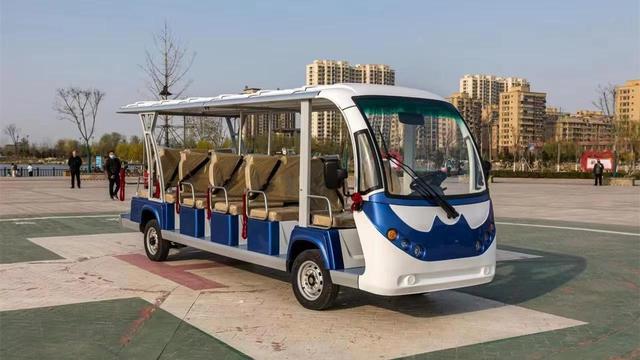
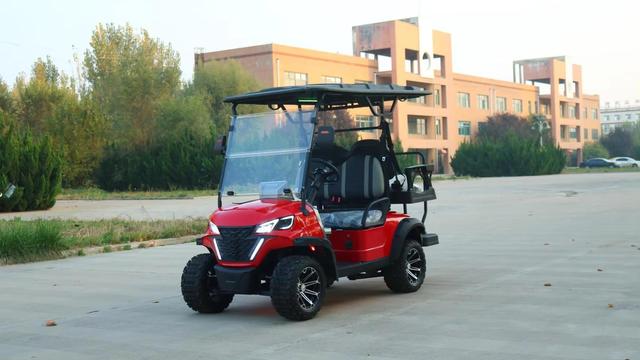
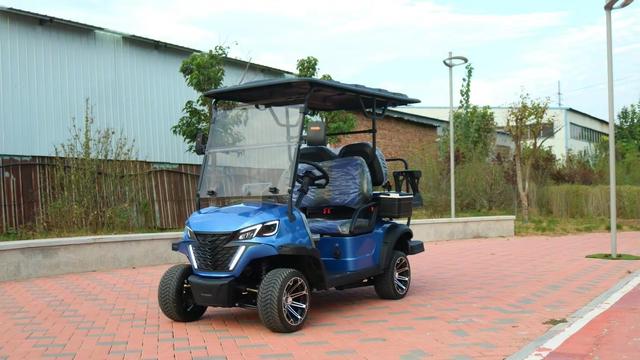
Developing enterprise-grade fleet configurations to address operational efficiency, environmental mandates, and cost control.
Large hospitality installations require quiet, low-maintenance vehicles. By procuring folding modular systems, resorts can change configurations between VIP passenger shuttles during peak seasons and utility load carriers for maintenance teams in off-peak periods, minimizing overall fleet capital expenditures.
Traditional electric vehicles are bulky, resulting in high shipping costs. Our folding modular designs allow vehicles to pack flat or stack inside containers, lowering sea freight charges per unit by up to 55%. This makes bulk fleet procurement highly cost-effective for international distributors.
Zero-emission municipal vehicles require structural compliance and long runtimes. Our modular electric drivetrains can interface with solar canopy charging setups, reducing grid reliance. Heavy-duty suspension components ensure stability across varied community terrains.
A detailed breakdown of our current engineering milestones and research & development roadmap.
Developing Permanent Magnet AC (PMAC) motor configurations with integrated regenerative braking. This setup converts kinetic energy back into battery charge during descents, extending operational range by up to 15% on hilly golf courses.
Designing dual-locking chassis pins with automated safety sensors. This system allows technicians to change rear chassis modules quickly without specialized tools, maintaining a secure connection that withstands off-road forces.
Integrating cellular-IoT modules directly into our lithium battery management systems. Fleet managers receive real-time updates on internal cell temperatures, charge cycles, and GPS geofencing alerts through a centralized cloud dashboard.
Integrating hydrogen fuel cell modules into the power bay. Designed for high-use operations, this upgrade enables fast refueling in under 5 minutes, keeping vehicles in service around the clock.
Adhering to strict international automotive standards for electric light vehicles and providing global technical support.
Our manufacturing facilities operate under strict quality management processes. Our structural frame welds, low-voltage wiring looms, and high-voltage charging systems comply with CE, EEC, and DOT standards for Low-Speed Vehicles (LSV). The modular lithium assemblies include standard safety features, such as overcurrent protection and thermal runaway prevention, ensuring reliable operation under varying conditions.
We provide global technical support to support fleet uptime. With regional distribution hubs, we supply replacement parts, electronic components, and diagnostic tools to dealers worldwide. Our service team offers comprehensive support to help keep your fleet running smoothly.
Answering common technical questions about modular folding systems and battery integration.
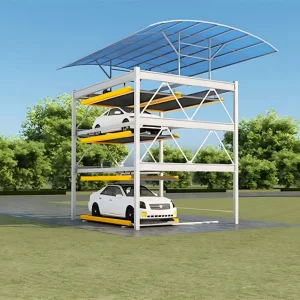
Explore our range of modular solutions, covering residential energy storage, smart parking, cleanrooms, and facility components.
 GLHF Golf