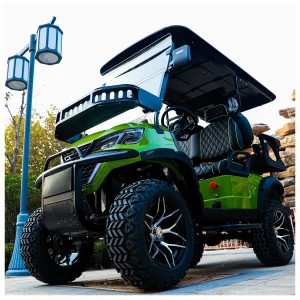
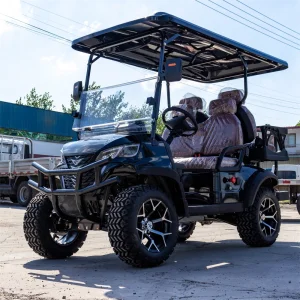
Engineered for high ground clearance, heavy load capacities, and multi-terrain operation. Explore our direct manufacturer configurations below.
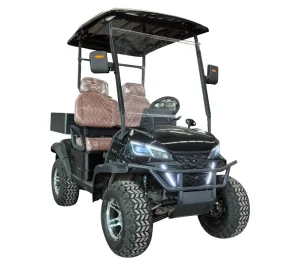
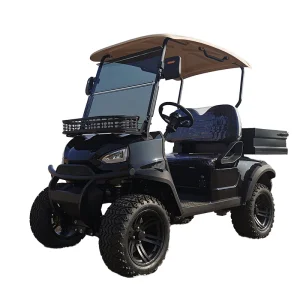
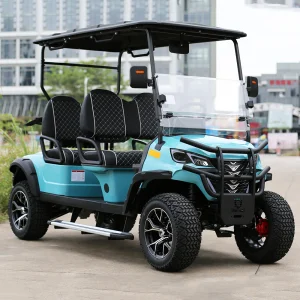
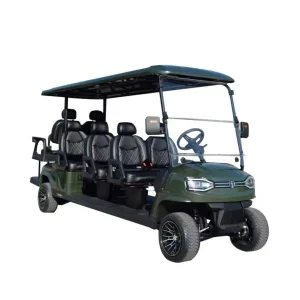
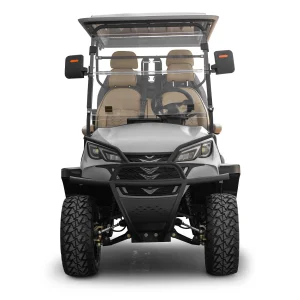
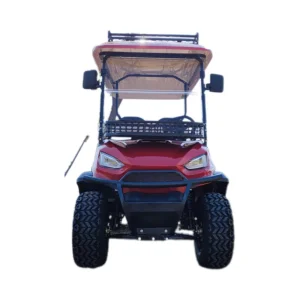
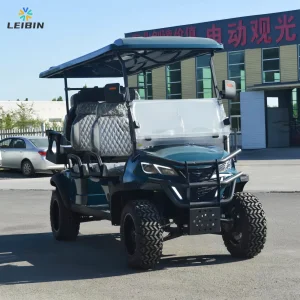
A comprehensive analysis of engineering advancements, environmental standards, and modern supply chain integrations dictating commercial procurement.
The industrial golf cart sector is experiencing a rapid technological transition from traditional DC brushed motors to high-efficiency AC brushless induction motors. The demand for rugged utility performance has driven manufacturers to integrate 5kW and 7.5kW AC powertrains. Unlike DC motors, modern AC drive systems provide flat torque curves, ensuring maximum rotational power at low speeds—critical for scaling steep inclines, traversing mud, and carrying payloads exceeding 500 kg.
Coupled with smart motor controllers (such as programmable Curtis or Enpower systems), modern off-road utility carts support regenerative braking. This system captures kinetic energy during descents and returns it to the battery cells, optimizing energy consumption by up to 15% and minimizing mechanical wear on hydraulic disc brake systems.
The total cost of ownership (TCO) equation in B2B procurement strongly favors Lithium Iron Phosphate (LiFePO4) technology over traditional lead-acid configurations. While lead-acid options remain popular due to lower upfront capital expenditure, LiFePO4 batteries offer key advantages: 3500+ charge cycles at 80% Depth of Discharge (DoD), zero maintenance, and lightweight profiles that reduce vehicle tare weight, increasing payload capacity.
Furthermore, integrated Battery Management Systems (BMS) monitor thermals, cell balancing, voltage, and discharge rates, significantly reducing the risks of thermal runaway. This makes high-voltage systems (72V) highly viable for high-demand, multishift industrial operations.
Navigating the complex landscape of certification, safety features, and chassis optimization for international fleet deployment.
| Specification Feature | Lead-Acid Configuration | LiFePO4 (Lithium) Configuration | B2B Operational Impact |
|---|---|---|---|
| Lifespan / Cycle Count | 300 - 500 cycles (approx. 2 years) | 3,000 - 5,000 cycles (8 - 10 years) | Saves on mid-cycle battery replacement costs. |
| Charging Protocol | 8 - 10 hours; continuous gassing venting | 2 - 3.5 hours; fast charging compatible | Supports multi-shift rotation; minimal downtime. |
| Maintenance | Water topping, terminal cleaning required | Zero maintenance needed, BMS monitored | Reduces service labor and operational risks. |
| Weight Profile | High weight (compromises payload capacity) | Up to 150kg lighter than lead-acid pack | Improves efficiency and hill-climbing capabilities. |
| Operating Temperature | Efficiency drops significantly below 0°C | Wide temp operation; heat/cold tolerant | Suitable for year-round outdoor industrial use. |
Understanding the engineering pedigree, developmental milestones, and advanced capacity of Ningbo GLHF Golf Co., Ltd.
Ningbo GLHF Golf Co., Ltd. is a professional manufacturer specializing in electric golf carts and golf course mobility solutions. The company focuses on the design, development, and production of lithium and lead-acid battery-powered golf vehicles, providing reliable transportation solutions for golf courses, resorts, residential communities, hotels, and commercial facilities worldwide.
Since its establishment, GLHF Golf has built a strong foundation in electric mobility engineering and golf industry applications. In its early stage, the company concentrated on assembling basic lead-acid battery golf carts for domestic markets, gradually gaining experience in vehicle structure optimization and battery management systems. As demand for cleaner and more efficient energy solutions increased, the company entered a rapid development phase, introducing lithium battery technologies and upgrading its product line to meet international standards.
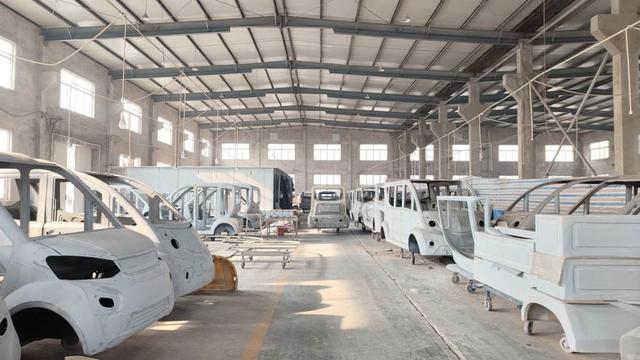
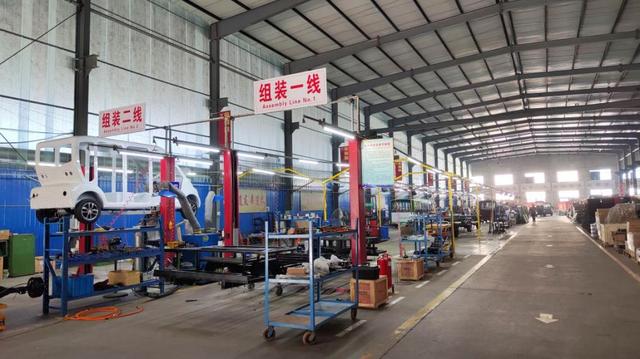
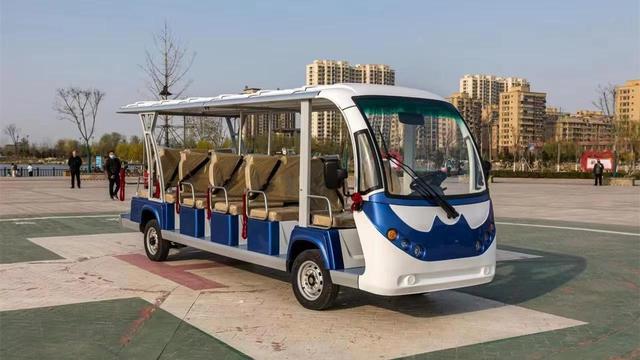
Over the years, GLHF Golf expanded its manufacturing capabilities with advanced production lines, precision assembly workshops, and strict quality control systems. The company continuously improved core technologies such as electric drivetrain efficiency, battery endurance, and vehicle safety performance. At the same time, it developed a diversified product portfolio covering passenger carts, utility carts, and customized fleet solutions for large-scale golf course operations.
Today, Ningbo GLHF Golf Co., Ltd. serves global clients with a strong commitment to innovation, durability, and energy efficiency. With ongoing investment in smart mobility systems and sustainable transportation technologies, the company aims to become a leading international supplier of electric golf cart solutions, delivering high-performance, eco-friendly vehicles for modern golf and leisure industries.
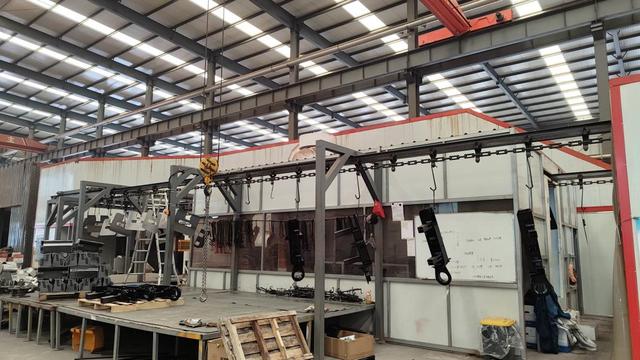
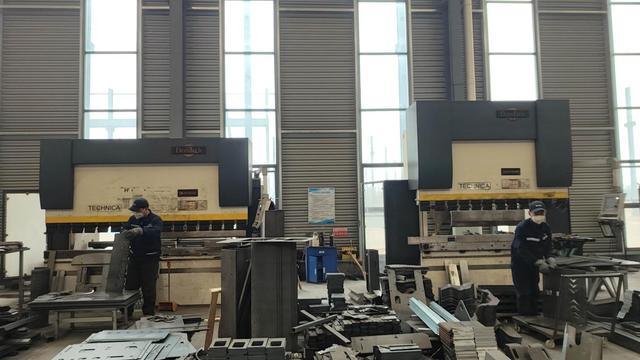
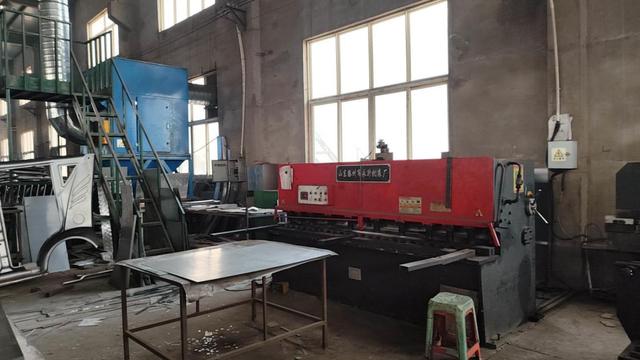
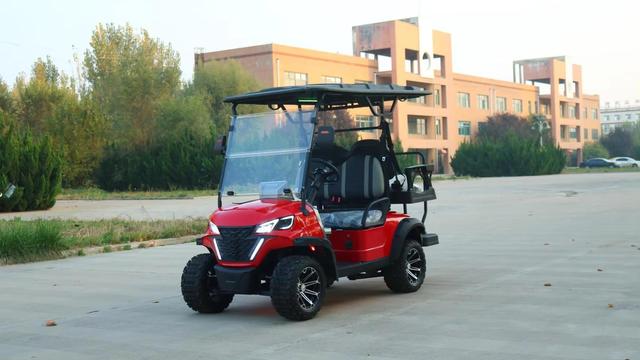
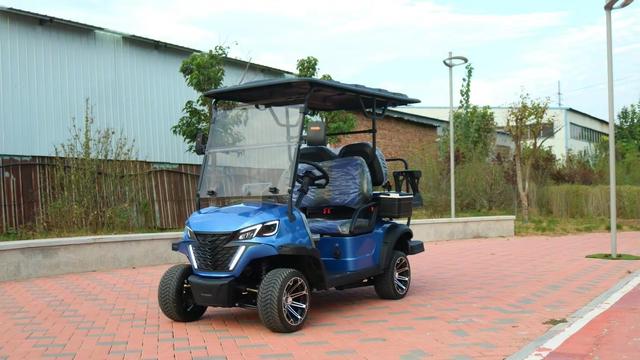
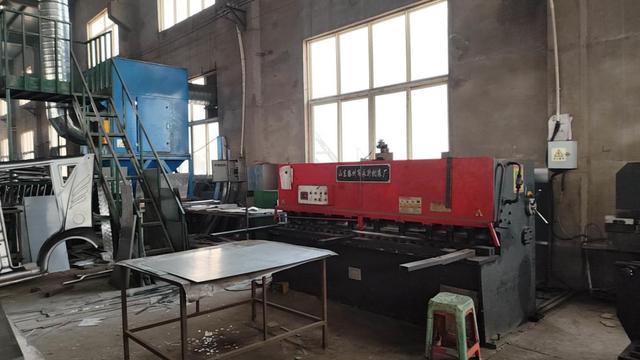
How optimization at the manufacturing stage minimizes international shipping timelines and ensures robust quality control.
Situated in Ningbo, one of the world's most active shipping hubs, GLHF Golf leverages its location to streamline transport logistics. Direct container loading from the factory reduces transport time to port terminals, minimizing handling risks and local freight costs. B2B buyers benefit from direct connections to major shipping routes, shortening delivery times to key regions like North America, Europe, and Australia.
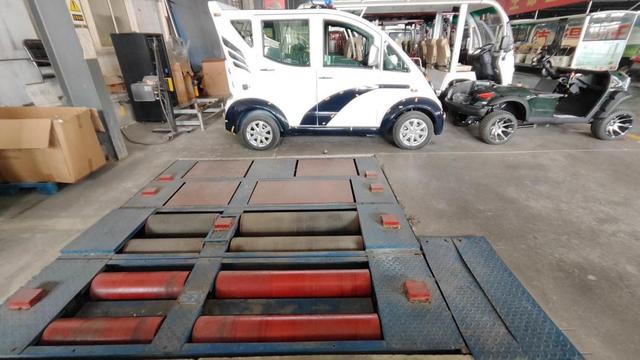
Our quality control extends from raw materials to final shipping preparation. Incoming inspections verify steel alloy grades and battery cell purity. Automated testing benches evaluate electric motors under simulated high-load conditions. Before packing, every cart undergoes track testing, brake assessments, and dyno diagnostics to ensure the vehicle is ready for immediate site integration upon arrival.
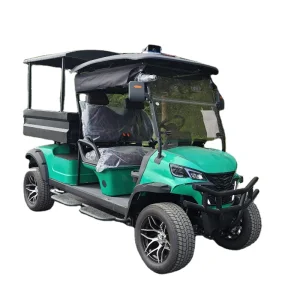
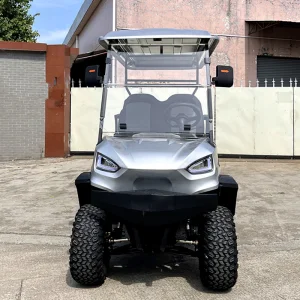
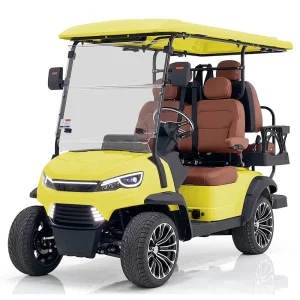
Explore our targeted models designed for specialty passenger transport, hunting, farming, and municipal operations.
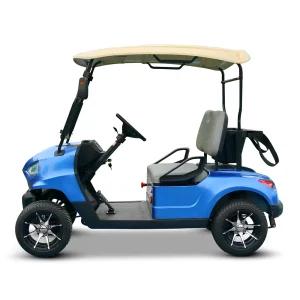
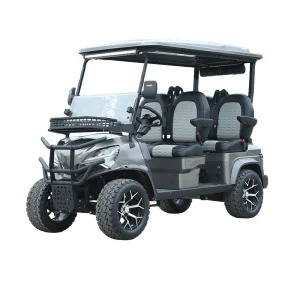
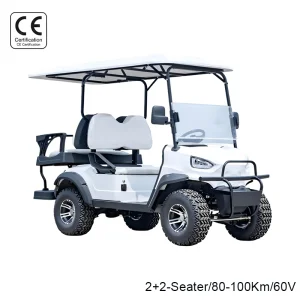
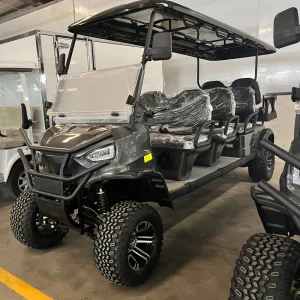
In-depth technical answers addressing configuration, shipping, safety parameters, and custom ordering requirements.
Voltage dictates overall thermal efficiency and system torque under load. While 48V systems are suitable for flat terrains and lighter loads, 72V platforms offer superior power delivery. They draw lower current (amperage) to produce the equivalent output of a 48V system, resulting in less heat generation in the controller and wiring. This significantly increases system lifespan, extends operational range, and provides better gradeability on steep inclines (often supporting gradients up to 25% or 30%).
Yes. Many of our custom-order off-road utility carts can be configured to meet CE, DOT, and EEC certifications. These configurations feature required safety components, including low-speed vehicle tires, three-point seatbelts, horns, dual LED headlights, high/low beams, integrated turning signals, backup cameras, side mirrors, and shatterproof windshields. Be sure to specify your region's licensing requirements during the initial RFQ stage.
Standard golf carts typically feature rigid front axels and basic leaf springs, limiting comfort and control on rough terrain. Our off-road models feature a lifted, independent double A-arm front suspension with adjustable coilover shock absorbers. This design keeps the wheels flat on uneven terrain, maximizing traction. The rear uses heavy-duty multi-leaf springs paired with hydraulic shock absorbers, ensuring stability even under maximum cargo load.
We provide extensive design options, including custom motor sizing (5kW to 7.5kW AC), variable lithium pack configurations (100Ah to 200Ah+), automatic hydraulic dump beds, specialty tool racks, custom paint colors, and integrated fleet management systems. These systems allow operators to monitor GPS locations, track battery usage, and enforce remote speed limits via centralized cloud tracking.
Standard production cycles range from 25 to 35 days, depending on configuration and customization complexity. Completed units are securely packed in steel crates with protective wrap to prevent shipping damage. From our Ningbo port location, transport times range from 15 to 45 days, depending on the destination port. We provide complete shipping documentation, including bills of lading, CE certifications, commercial invoices, and packing lists.
Connect with Ningbo GLHF's B2B engineering team today to review technical drawings, request a bulk quotation, or discuss custom drivetrain configurations for your specific application.
Browse All Vehicle Configurations GLHF Golf