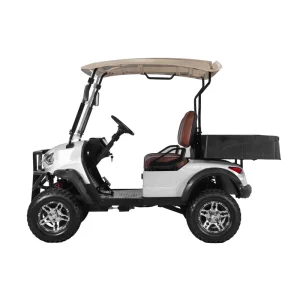
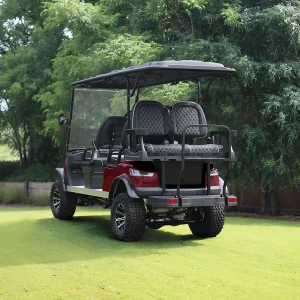
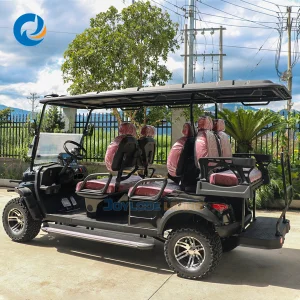
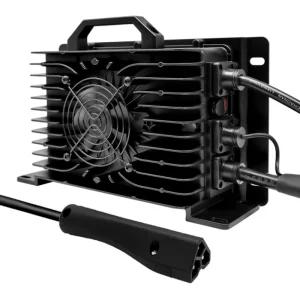
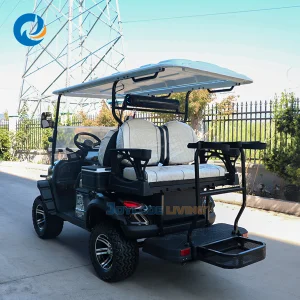
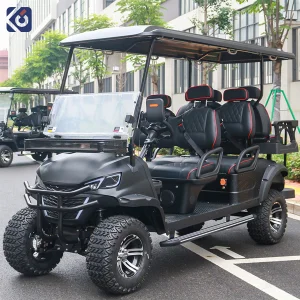
Explore our cutting-edge electric transit configurations designed for commercial efficiency, off-road capabilities, and micro-mobility operations.
Analyzing key structural transformations in low-speed vehicles (LSV) for commercial, industrial, and recreational logistics.
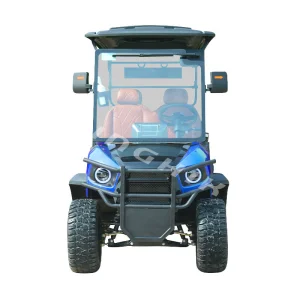
Modern industrial and tourist facilities operate under complex, hybrid traffic patterns. The integration of high-visibility electric golf carts has shifted from an optional preference to a core regulatory requirement. Traditional utility fleets often blend into the background, leading to costly facility accidents, ground personnel collisions, and operational downtime. High-visibility configurations mitigate these risks through advanced active and passive safety features.
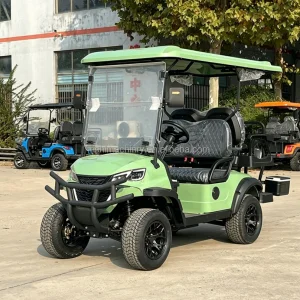
Passive safety engineering begins at the structural level. Modern manufacturers incorporate highly reflective, automotive-grade wraps, structural color palettes (such as high-chroma safety yellow, neon orange, and lime green), and retroreflective microprismatic striping compliant with ASTM D4956 standards. Active safety features include high-lumens LED strobe bar systems, integrated turn signals with daytime running lights (DRL), and automatic pedestrian alerting acoustics (AVAS) designed to notify nearby workers in silent-running zones.
The global low-speed electric vehicle market is rapidly phasing out wet lead-acid batteries in favor of Lithium Iron Phosphate (LiFePO4) energy storage. In large-scale commercial deployments, the chemical superiority of lithium translates directly into lower Total Cost of Ownership (TCO):
A data-driven methodology for procurement directors to systematically audit quality, safety, and durability features.
Industrial applications expose vehicles to chemical runoff, fertilizers, saline coastal air, and moisture. Procurement parameters must mandate hot-dip galvanized steel frames or robotic-welded aerospace-grade aluminum chassis. Salt spray testing under ASTM B117 standards should exceed 1,000 hours without red rust propagation.
Enterprise deployment requires centralized fleet asset visibility. Critical telematics components include 4G GPS tracking, real-time geofencing capabilities to prevent unauthorized operations, remote battery health diagnostics (state of health, voltage differentials), and automated maintenance reminders linked to drive-hour thresholds.
For demanding applications, traditional DC motors are replaced with high-efficiency AC brushless motors (ranging from 4kW to 7.5kW) paired with programmable Curtis (USA) controllers. This combination yields regenerative braking, which captures kinetic energy during deceleration to recharge the battery array.
How Ningbo's advanced industrial clusters drive value, quality consistency, and export readiness.
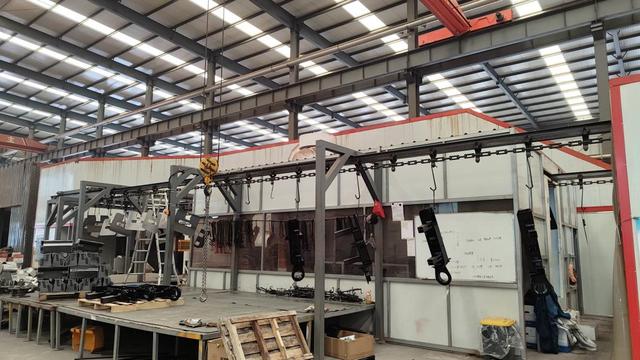
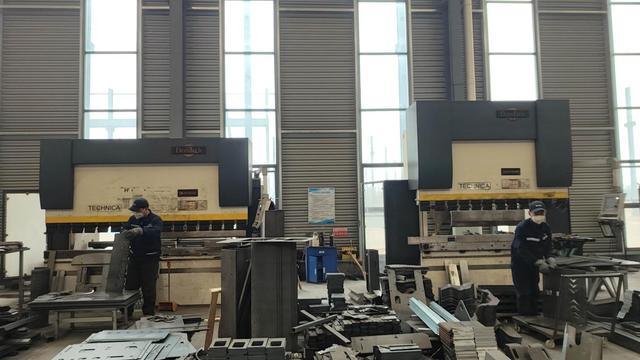
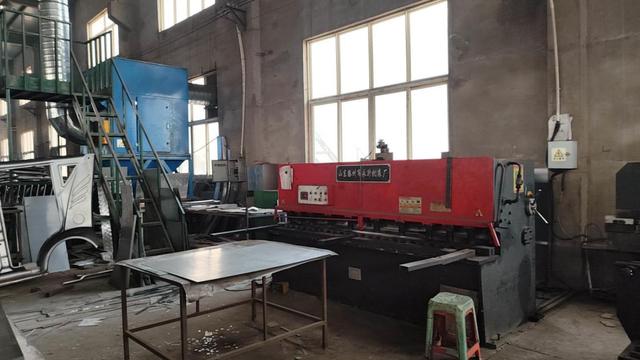
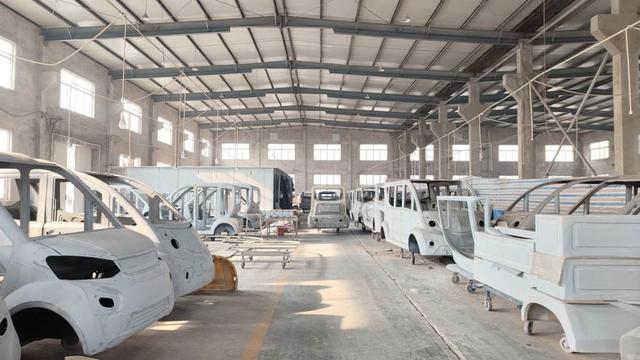
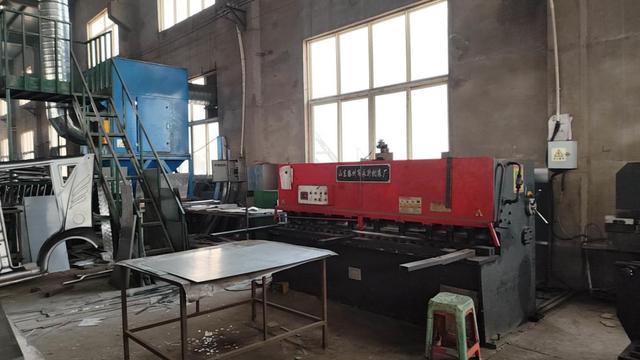
China's Low Speed Electric Vehicle (LSEV) supply chain has transitioned from a fragmented assembly system to an advanced, highly integrated Industry 4.0 ecosystem. Advanced manufacturing plants utilize robotic arc-welding cells, automated cathodic electrodeposition (ED) coating lines for maximum rust proofing, and precision computer numerical control (CNC) machining centers to fabricate complex drive axles and structural gearboxes.
By using modular design techniques, factories can produce vehicles with high structural flexibility. The same core chassis can support an open passenger arrangement, a cargo flatbed with high-capacity tipping options, or a specialized utility layout. The result is lower design engineering overhead, predictable quality controls, and shorter lead times.
Industrial operations in the Ningbo-Zhejiang cluster benefit from direct proximity to one of the world's busiest container hubs (Ningbo-Zhoushan Port). This geographic concentration links factories directly to major raw material processors (high-tensile steel, virgin polyurethane panels) and high-tier electrical components (intelligent BMS, heavy-duty smart chargers). By eliminating long-distance domestic transport of raw parts, manufacturing operations save on production overhead and maintain consistent lead times.
How specialized high-visibility configurations solve operational challenges across diverse environments.
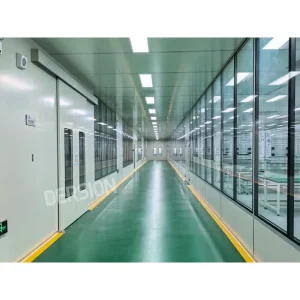
In cleanroom environments and heavy manufacturing hubs, logistics vehicles must comply with strict hygiene and safety standards. Custom cleanroom-ready electric utility carts transport sensitive medical devices, high-end components, and raw materials. Their zero-emission, non-marking tires and low-noise electric powertrains preserve cleanroom air and acoustic standards.
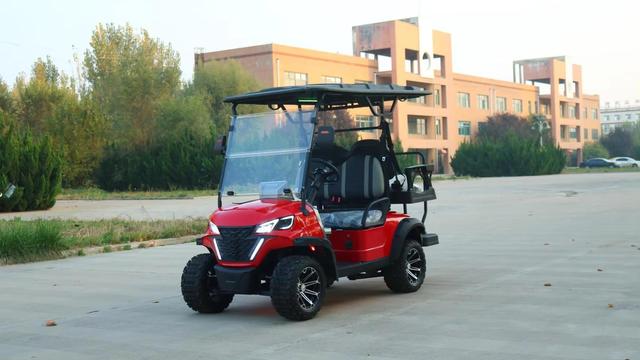
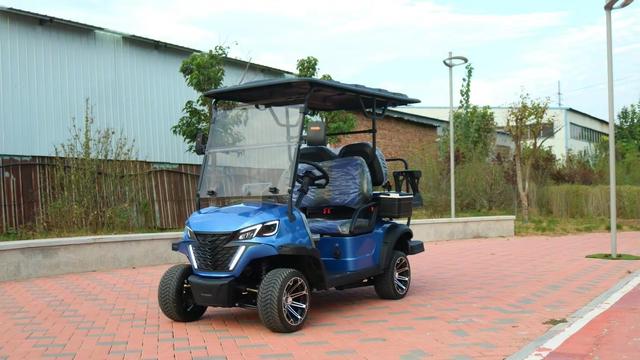
For farmers, hunters, and rural landowners, conventional golf carts lack the necessary traction and structure. Heavy-duty utility configurations utilize high-torque AC motors (5kW+), rugged independent suspensions, and solar charging canopies. These additions continuously top off the battery pack, extending working range in remote locations.
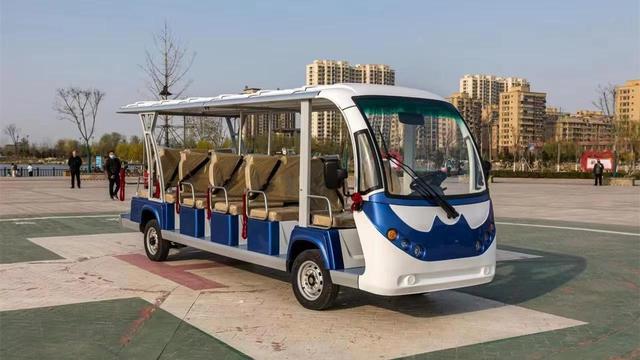
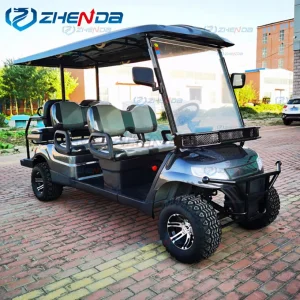
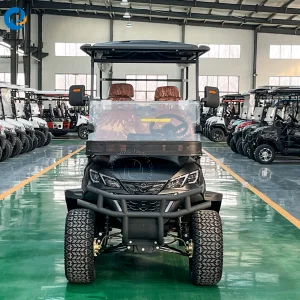
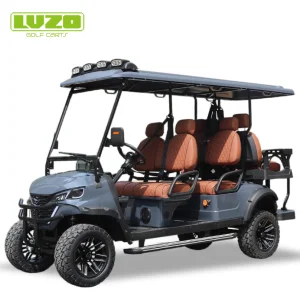
Resorts demand quiet, comfortable transport options that can withstand salt-spray exposure. Premium 6-seater electric buggies provide comfortable guest transport, using hot-dip galvanized steel and marine-grade vinyl upholstery to prevent rust and mold damage under high humidity.
Engineering Reliable Electric Mobility Solutions for Global Markets.
Ningbo GLHF Golf Co., Ltd. is a professional manufacturer specializing in electric golf carts and golf course mobility solutions. The company focuses on the design, development, and production of lithium and lead-acid battery-powered golf vehicles, providing reliable transportation solutions for golf courses, resorts, residential communities, hotels, and commercial facilities worldwide.
Since its establishment, GLHF Golf has built a strong foundation in electric mobility engineering and golf industry applications. In its early stage, the company concentrated on assembling basic lead-acid battery golf carts for domestic markets, gradually gaining experience in vehicle structure optimization and battery management systems. As demand for cleaner and more efficient energy solutions increased, the company entered a rapid development phase, introducing lithium battery technologies and upgrading its product line to meet international standards.
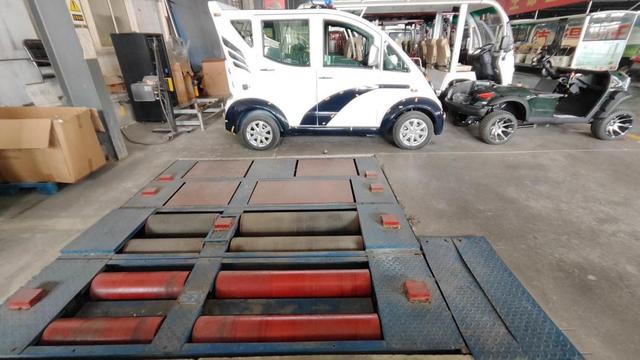
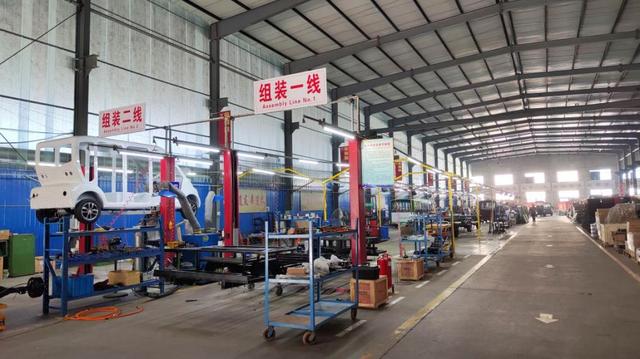
Over the years, GLHF Golf expanded its manufacturing capabilities with advanced production lines, precision assembly workshops, and strict quality control systems. The company continuously improved core technologies such as electric drivetrain efficiency, battery endurance, and vehicle safety performance. At the same time, it developed a diversified product portfolio covering passenger carts, utility carts, and customized fleet solutions for large-scale golf course operations.
Today, Ningbo GLHF Golf Co., Ltd. serves global clients with a strong commitment to innovation, durability, and energy efficiency. With ongoing investment in smart mobility systems and sustainable transportation technologies, the company aims to become a leading international supplier of electric golf cart solutions, delivering high-performance, eco-friendly vehicles for modern golf and leisure industries.
Answering common engineering and commercial questions about China wholesale electric utility vehicles.
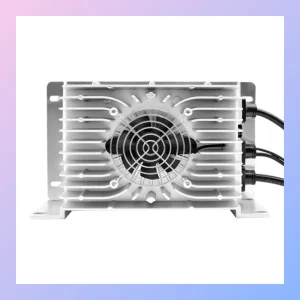
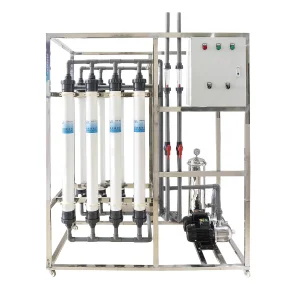
Explore specialized high-capacity transporters, smart chargers, and off-road configurations designed for long duty cycles.
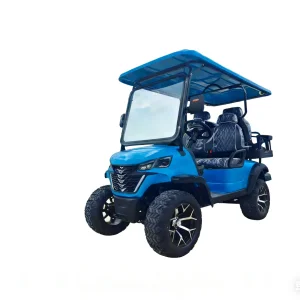
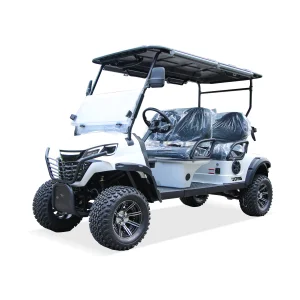
 GLHF Golf