Engineered for maximum gradeability, off-road traction, and industrial payload efficiency
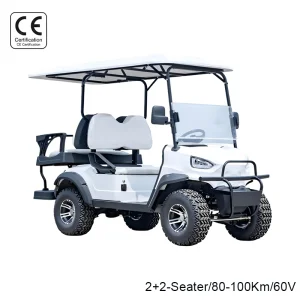
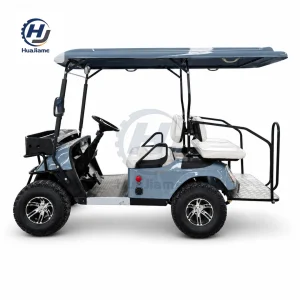
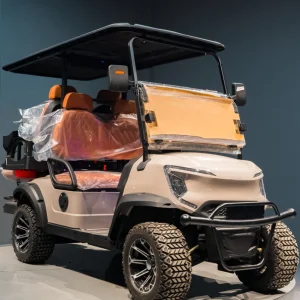
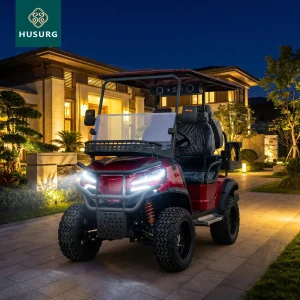
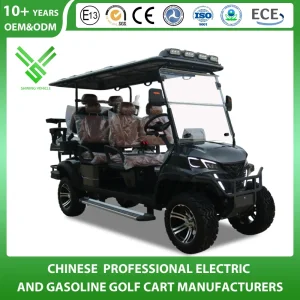
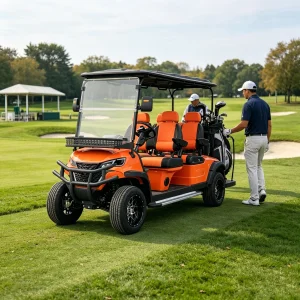
The global light electric vehicle (LEV) market is undergoing a structural transition. Once confined to the manicured fairways of recreational courses, golf carts have evolved into heavy-duty utility vehicles (UTVs) and low-speed passenger vehicles (LSVs) utilized across industrial campuses, rugged mountain resorts, municipal sectors, and heavy commercial logistics hubs. At the core of this transition is the demand for high-torque powertrains capable of handling severe payloads and steep gradeability without thermal degradation.
Traditional electric vehicles suffered from limitations in torque density and battery thermal management. Standard lead-acid battery packs and low-voltage brushed DC motors could not sustain operations on inclined terrains or under full payload capacities without rapid voltage drops. The contemporary commercial buyer no longer views a golf cart as a simple transport cart; it is an operational asset that must demonstrate high runtime efficiency, minimal downtime, and outstanding reliability under peak load conditions.
Modern high-torque systems utilize brushless AC induction or Permanent Magnet Synchronous Motors (PMSM) operating at 72V or 96V to deliver continuous power and regeneration capabilities.
Transitioning to Lithium Iron Phosphate (LiFePO4) chemistry minimizes weight, increases cycle life up to 3,500+ cycles, and ensures linear torque output throughout the battery discharge curve.
Engineered structural frames using automotive-grade Q235B high-tensile steel, offering high resistance to torsion and bending in off-road industrial terrains.
From a procurement perspective, global fleet buyers from multinational resorts, airport ground operations, and industrial manufacturing plants focus extensively on Total Cost of Ownership (TCO). High-torque configurations with advanced drivetrains reduce mechanical wear on transmission systems, optimize energy usage via regenerative braking, and decrease maintenance intervals compared to internal combustion engines (ICE) or low-voltage DC carts.
We observe several clear procurement shifts in North American, European, and Asia-Pacific markets:
Ningbo GLHF Golf Co., Ltd. is a professional manufacturer specializing in electric golf carts and golf course mobility solutions. The company focuses on the design, development, and production of lithium and lead-acid battery-powered golf vehicles, providing reliable transportation solutions for golf courses, resorts, residential communities, hotels, and commercial facilities worldwide.
Since its establishment, GLHF Golf has built a strong foundation in electric mobility engineering and golf industry applications. In its early stage, the company concentrated on assembling basic lead-acid battery golf carts for domestic markets, gradually gaining experience in vehicle structure optimization and battery management systems. As demand for cleaner and more efficient energy solutions increased, the company entered a rapid development phase, introducing lithium battery technologies and upgrading its product line to meet international standards.
Over the years, GLHF Golf expanded its manufacturing capabilities with advanced production lines, precision assembly workshops, and strict quality control systems. The company continuously improved core technologies such as electric drivetrain efficiency, battery endurance, and vehicle safety performance. At the same time, it developed a diversified product portfolio covering passenger carts, utility carts, and customized fleet solutions for large-scale golf course operations.
Today, Ningbo GLHF Golf Co., Ltd. serves global clients with a strong commitment to innovation, durability, and energy efficiency. With ongoing investment in smart mobility systems and sustainable transportation technologies, the company aims to become a leading international supplier of electric golf cart solutions, delivering high-performance, eco-friendly vehicles for modern golf and leisure industries.
The manufacturing infrastructure of GLHF Golf integrates advanced assembly methodologies, precision robotic welding, automated paint booths, and computerized dyno testing to guarantee high torque tolerances and structural integrity. Below is an inside look at our manufacturing center:
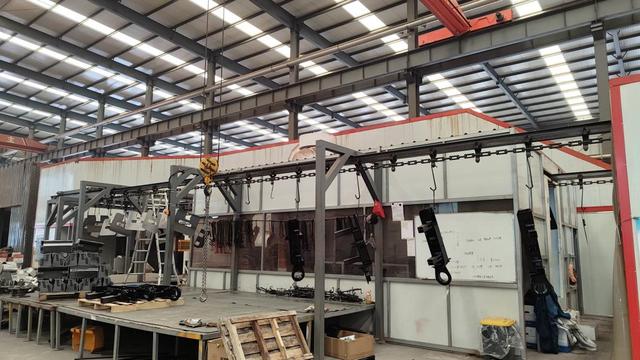
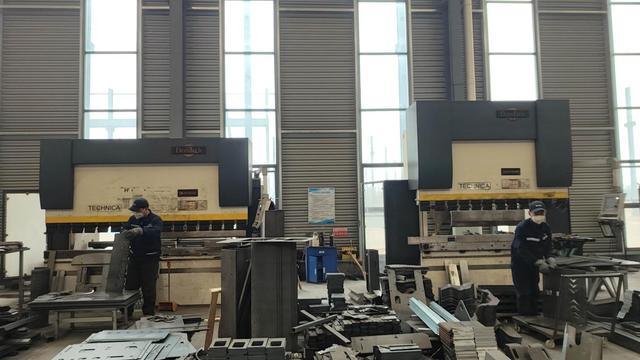
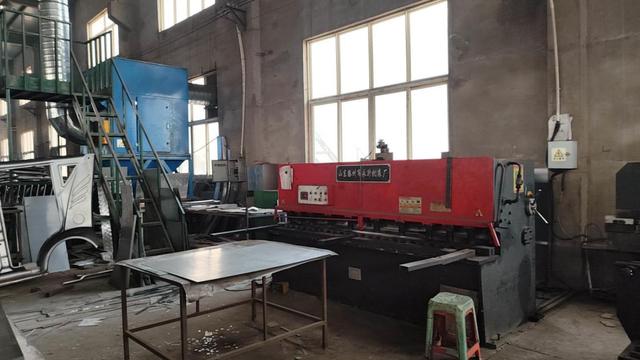
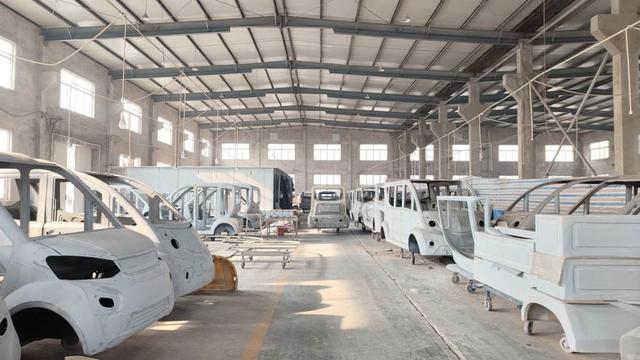
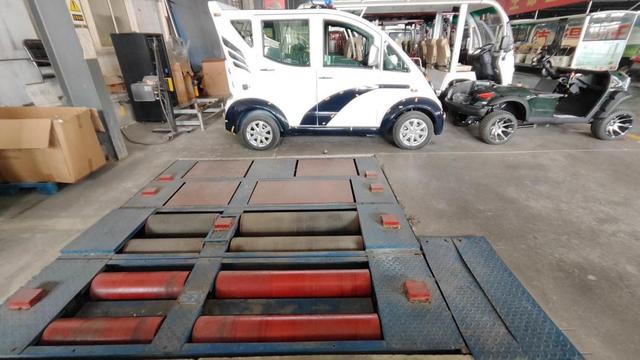
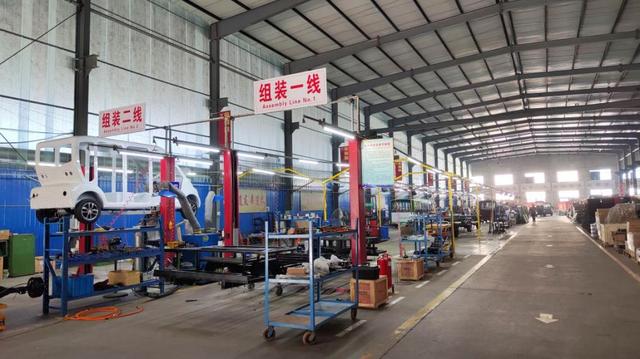
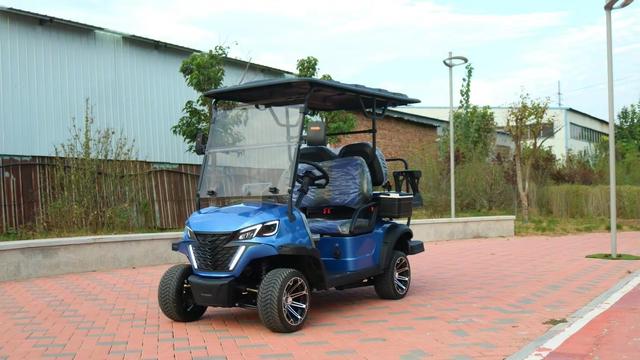
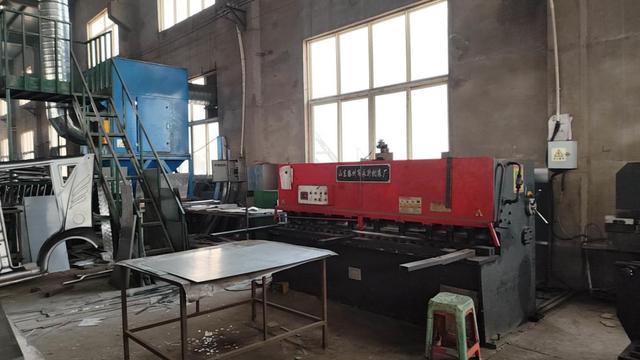
The global dominance of Chinese electric vehicle manufacturers is driven by the execution of Factory 4.0 standards. China's manufacturing clusters in Ningbo, Zhejiang, and adjacent zones offer unparalleled vertical integration of components, encompassing electric motor fabrication, battery pack assembly, high-precision machining, and structural metal stamping.
Supply Chain Resilience: The integration of critical supply nodes ensures that external economic or geopolitical shifts do not compromise production schedules. Major components like micro-controllers, PMSM units, transaxles, and high-energy-density LiFePO4 cells are sourced from localized technological ecosystems. This structural advantage directly translates into shorter lead times, customizable design variations, and cost stability for international B2B importers.
Efficiency & Automation: Factory 4.0 practices employ automated assembly guided by digital twins, ensuring consistent build tolerances. The use of computerized assembly lines guarantees that every chassis frame is welded with high precision, maintaining structural integrity under high torque stress. Furthermore, automated quality control protocols perform real-time verification of electronic controls, ensuring compliance with strict international quality norms before export packaging.
High torque performance is not merely about pulling power; it requires sophisticated thermal dissipation. In high-output 7.2 kW AC or PMSM setups, continuous operation under heavy loads generates thermal energy that can degrade electric motors. Chinese Factory 4.0 facilities utilize advanced CAD thermal simulations and install high-grade class-H insulation on motors, ensuring they withstand operating temperatures up to 180°C. Coupled with intelligent controllers that adjust output currents based on real-time temperature feedback, this architecture delivers sustained high torque without risk of thermal runaway.
To realize maximum utility, high-torque golf carts are customized to serve specialized environments, replacing traditional internal combustion or low-power electric utility carts:
Terrain profile is a key challenge for resort transport systems. Hilly courses require vehicles to safely ascend and descend 30-degree slopes. Features such as electronic hill descent control (HDC) and custom high-torque gearboxes prevent mechanical brake wear and ensure smooth, controlled passenger transit.
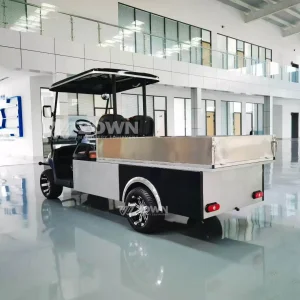
Industrial complexes require heavy-duty transport solutions. High-torque cargo variants fitted with modular cargo beds can transport tools, replacement parts, and maintenance equipment up to 800 kg. Utilizing electric utility platforms eliminates exhaust fumes, ensuring a safer work environment for indoor-outdoor industrial operations.
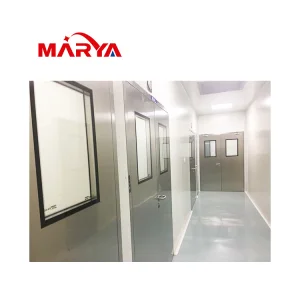
In high-tech industries, zero emissions and minimal particulate generation are mandatory. The cleanroom modular wall systems and advanced structural assembly zones of modern electronics facilities utilize non-marking tire compounds and vibration-dampening high-torque electric transaxles to transport sensitive machinery or silicon wafer materials without contaminating clean zones.
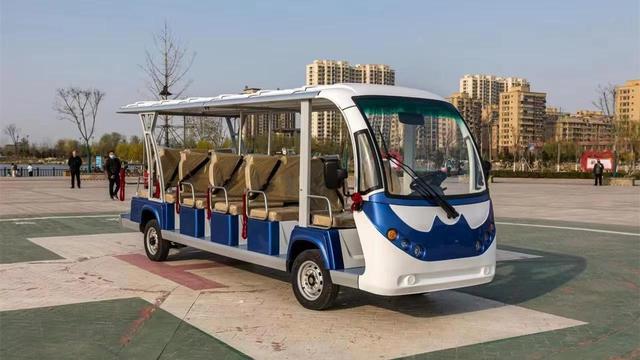
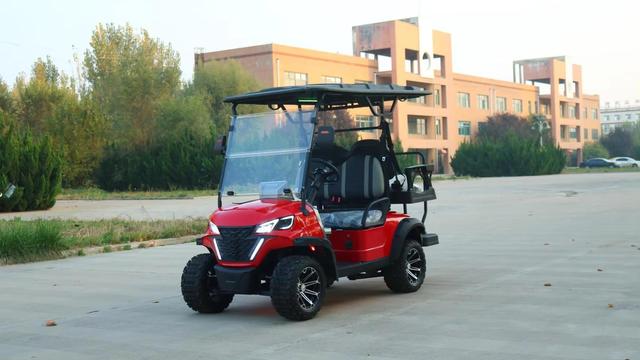
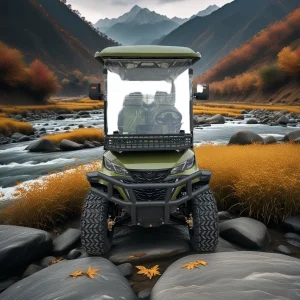
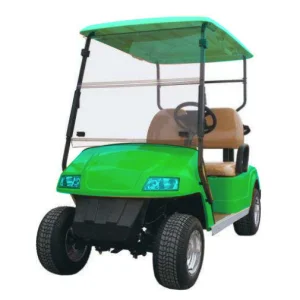
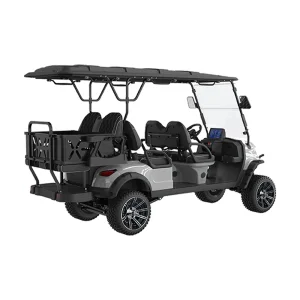
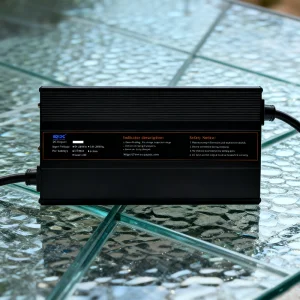
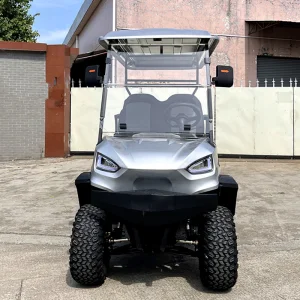
Complete product range supporting commercial micro-mobility and custom transit operations
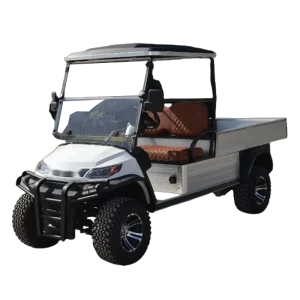
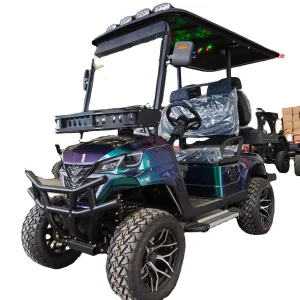

 GLHF Golf