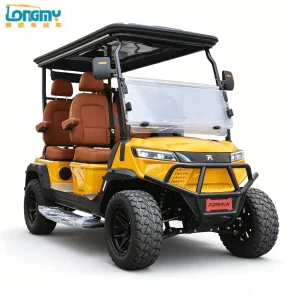
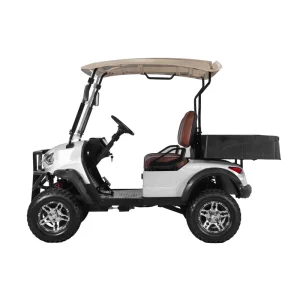
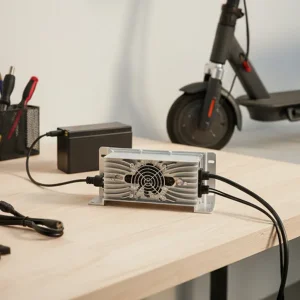
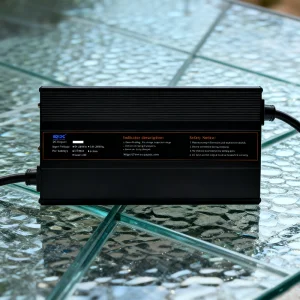
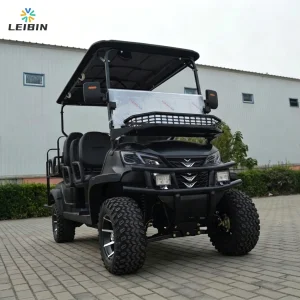
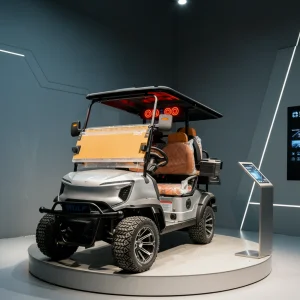
Engineered for high performance, maximum durability, and seamless smart accessory integration. Browse our first collection of core models.
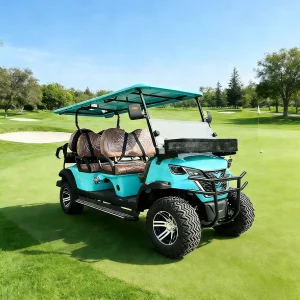

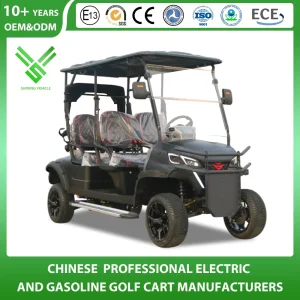
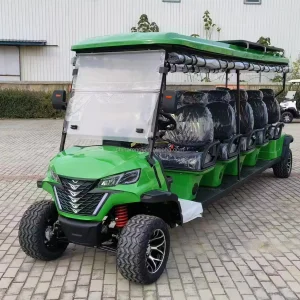
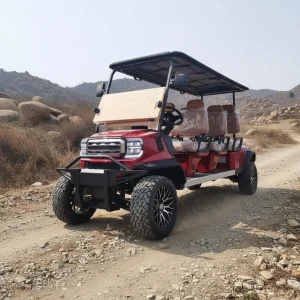
Analyzing the paradigm shift from traditional low-speed vehicles (LSVs) to IoT-connected micro-mobility platforms.
The global golf cart and Neighborhood Electric Vehicle (NEV) market has experienced a significant technological renaissance over the past decade. No longer confined to the pristine fairways of luxury golf courses, contemporary golf vehicles are widely utilized as vital transportation links in large commercial facilities, closed-loop residential communities, eco-resorts, and urban municipal districts. Driving this transformation is the integration of advanced Bluetooth technology, IoT telematics, and state-of-the-art Lithium Iron Phosphate (LiFePO4) power cells.
Modern commercial buyers insist on Bluetooth connectivity not only for high-fidelity audio infotainment but also for keyless start mechanisms, mobile diagnostic updates, and smart fleet tracking systems that communicate with centralized building management APIs.
The industry shift from heavy lead-acid batteries to high-density lithium configurations offers significant cost benefits. Advantages include zero-maintenance design, reduced vehicle weight, ultra-fast charging capability, and a service lifespan exceeding 3,500 charging cycles.
In regions such as North America, the Middle East, and Southeast Asia, localized regulatory frameworks (such as the US FMVSS 500 standards for Low-Speed Vehicles) have stimulated demand for street-legal configurations. Manufacturers must produce vehicles capable of reaching speeds between 20 to 25 mph, fitted with comprehensive active and passive safety features, including three-point seat belts, backup cameras, turn signals, and integrated sound systems that enable hands-free voice operations via Bluetooth-paired smartphones.
Understanding the layers of data and interface systems that turn a standard golf cart into a connected asset.
For resort operators and high-end residential users, integrated Bluetooth connectivity elevates passenger comfort. By integrating marine-grade waterproof speakers and localized Bluetooth 5.0 receivers into the chassis, users can effortlessly stream music, podcasts, or GPS instructions directly from their personal mobile devices.
More importantly, from a Fleet Management Perspective, Bluetooth beacons and low-energy (BLE) transceivers allow park operators to:
A typical high-performance connected golf cart contains the following subsystems:
| Bluetooth Standard | BLE 5.0 + Dual Mode Audio |
| BMS Protocol | CAN-bus with APP diagnostic |
| Chassis Protection | Hot-dip Galvanized steel frame |
| Audio Hardware | IP66 Waterproof marine speakers |
Delivering high-quality, long-life, smart transportation systems verified by international certification bodies.
A trusted manufacturer specializing in electric golf carts and advanced golf course mobility solutions.
Ningbo GLHF Golf Co., Ltd. is a professional manufacturer specializing in electric golf carts and golf course mobility solutions. The company focuses on the design, development, and production of lithium and lead-acid battery-powered golf vehicles, providing reliable transportation solutions for golf courses, resorts, residential communities, hotels, and commercial facilities worldwide.
Since its establishment, GLHF Golf has built a strong foundation in electric mobility engineering and golf industry applications. In its early stage, the company concentrated on assembling basic lead-acid battery golf carts for domestic markets, gradually gaining experience in vehicle structure optimization and battery management systems. As demand for cleaner and more efficient energy solutions increased, the company entered a rapid development phase, introducing lithium battery technologies and upgrading its product line to meet international standards.
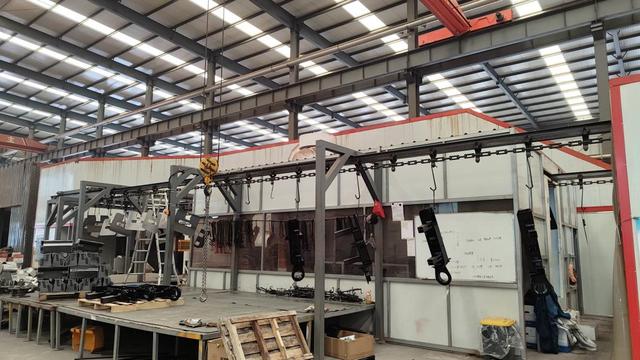
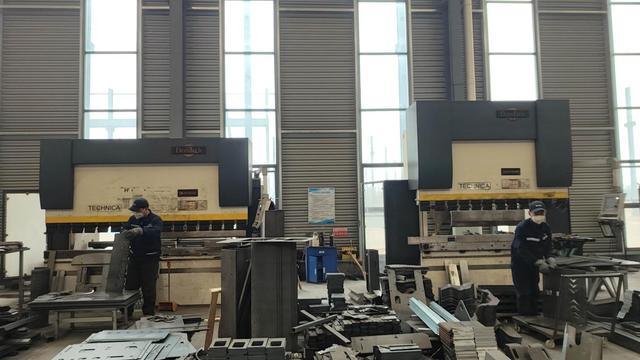
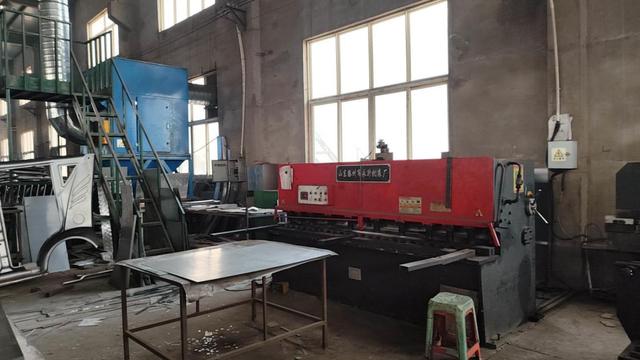
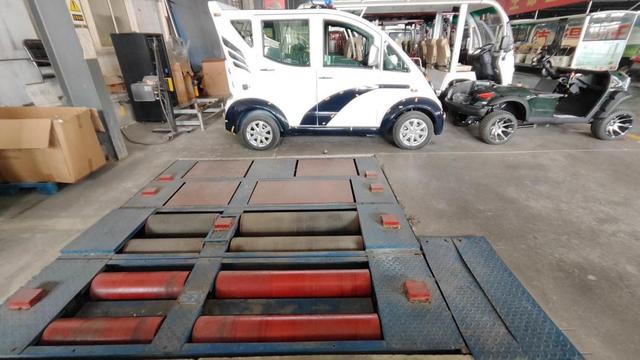
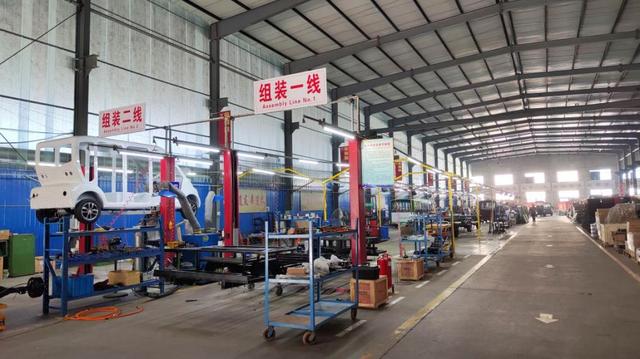
Over the years, GLHF Golf expanded its manufacturing capabilities with advanced production lines, precision assembly workshops, and strict quality control systems. The company continuously improved core technologies such as electric drivetrain efficiency, battery endurance, and vehicle safety performance. At the same time, it developed a diversified product portfolio covering passenger carts, utility carts, and customized fleet solutions for large-scale golf course operations.
Today, Ningbo GLHF Golf Co., Ltd. serves global clients with a strong commitment to innovation, durability, and energy efficiency. With ongoing investment in smart mobility systems and sustainable transportation technologies, the company aims to become a leading international supplier of electric golf cart solutions, delivering high-performance, eco-friendly vehicles for modern golf and leisure industries.

Deploying specialized transportation options to resolve unique challenges in public and private transit.
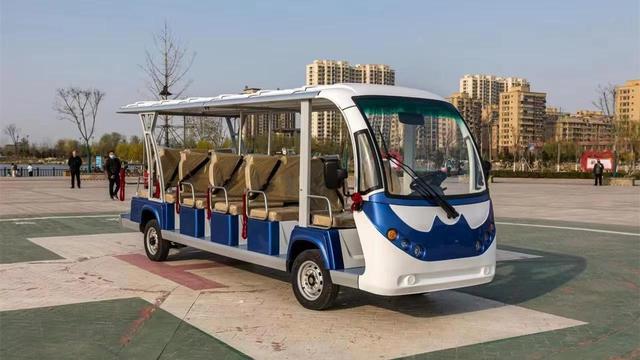
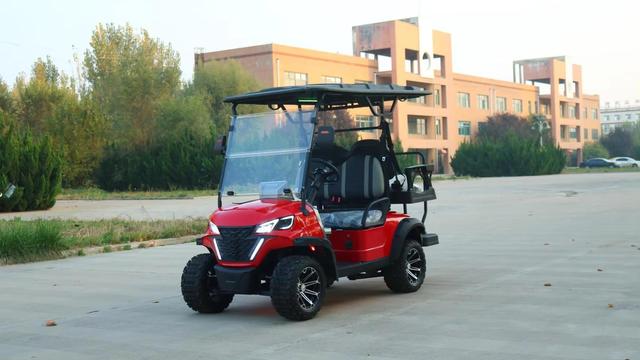
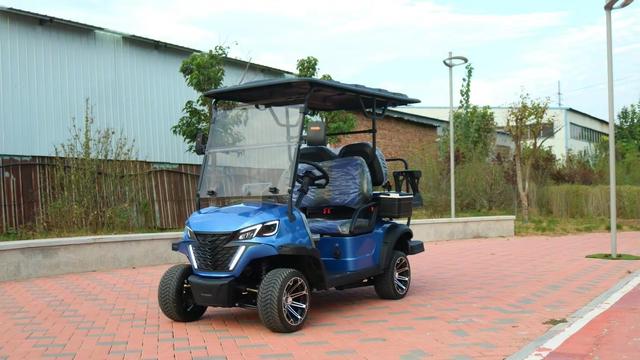
VIP transport requires whisper-quiet drivetrains, top-tier independent suspensions, and seamless entertainment access. Multi-passenger carts equipped with Bluetooth audio allow tour operators to play localized descriptions or ambient music, improving guest satisfaction scores in luxury retreats.
Securing massive commercial zones and communities requires robust structures. Street-legal vehicles equipped with lithium batteries operate for multiple shifts on a single charge. Bluetooth diagnostic tools let fleet managers run health scans without stripping down the vehicle panels.
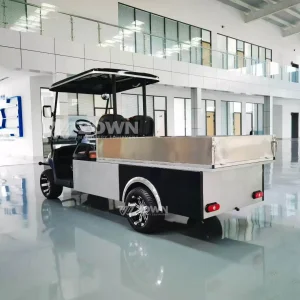
Farmers and warehouse coordinators need high payload capacities and heavy-duty chassis. Customized cargo flatbeds, integrated with strong AC motors and solar panels, ensure a steady charge under constant use, with Bluetooth BMS warning operators of low-voltage limits before downtime occurs.
Pioneering green energy and automation integration for the next generation of light mobility vehicles.
Our commitment to sustainable transit extends beyond the present. As a forward-thinking OEM/ODM manufacturer, Ningbo GLHF Golf Co., Ltd. continuously aligns product development with international smart city trends. The following three key phases outline our immediate technology goals:
Phase 1: Solar-Lithium Hybrid Systems
We are actively expanding our portfolio of solar-powered roof configurations. By utilizing high-efficiency monocrystalline solar panels linked directly to our proprietary BMS, vehicles can increase their daily driving range by up to 20-30%, greatly reducing dependence on grid-tied charging terminals.
Phase 2: Cellular IoT & Geofencing (5G & BLE Mesh)
We are developing direct 5G cellular communication modules, shifting from simple Bluetooth links to cloud-controlled operations. Fleets can be monitored remotely from desktop dashboards anywhere in the world, allowing operators to run over-the-air (OTA) software upgrades, restrict operations to specified zones, and receive automated theft warnings.
Phase 3: Automated Steering Systems
With early trials in structured resorts, we are testing low-speed lane-keep assist and obstacle avoidance technologies. Designed for VIP and campus shuttle lines, this advancement positions our vehicles at the forefront of automated tourism transportation.
Key information regarding battery technology, Bluetooth range, customization, and importing requirements.
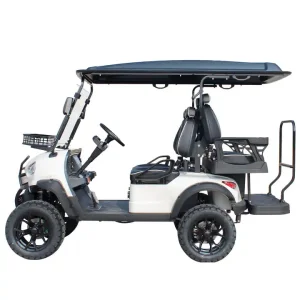
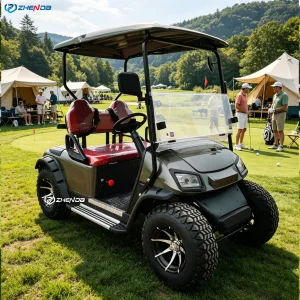
Complete your fleet with our high-capacity multi-passenger shuttles, utility transport trucks, and advanced charging units.
 GLHF Golf