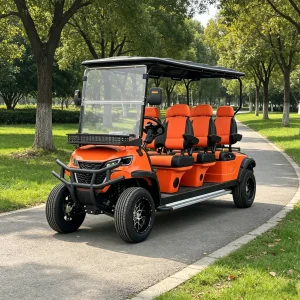
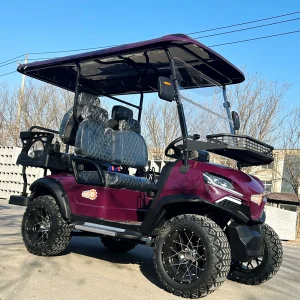
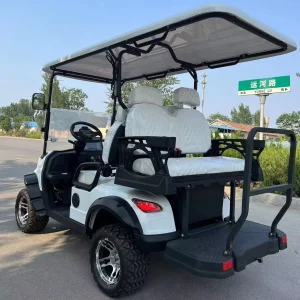
Designed for climbing steep inclines with absolute safety, incorporating regenerative braking and high-capacity lithium configurations.
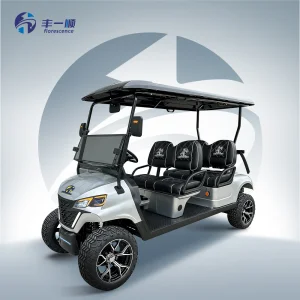
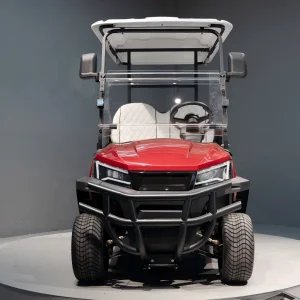
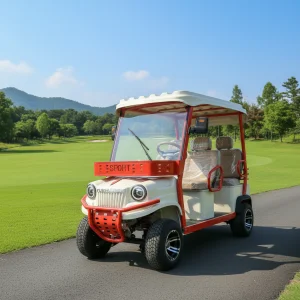
Japan’s physical geography comprises over 70% mountainous terrain, characterized by steep volcanic slopes, rolling green foothills, and high-altitude alpine regions. Golf courses, scenic hot spring (Onsen) resorts, and heavy industrial facilities located in areas such as Hakone, Karuizawa, Shizuoka, and Hokkaido present severe physical challenges for standard utility and passenger carts. Standard electric vehicles (EVs) designed for flat terrains routinely fail to meet the gradeability, thermal stability, and braking requirements demanded by these Japanese landscapes.
For operations in premium Japanese golf courses like those in Shizuoka with views of Mount Fuji, or Hokkaido’s expansive hilly resorts, heavy-duty torque is not a luxury—it is a baseline safety requirement. Vehicles must navigate sustained 25% to 35% slopes under full passenger loads without motor overheating or battery thermal runaway. To address these extreme conditions, global suppliers are integrating high-torque AC motors (ranging from 5kW to 7kW or higher) paired with sophisticated Curtis or Inpower controllers programmed with optimized downhill speed-limiting algorithms.
Drivetrains engineered specifically to output peak torque at low RPMs, enabling smooth starts on vertical climbs without sliding backwards.
Integrated electromagnetic parking brakes (EMB) engage automatically when the cart stops on a slope, preventing runaway accidents.
Equipped with advanced BMS (Battery Management System) capable of withstanding the high discharge current required for long-duration hill climbing.
While domestic Japanese manufacturers are renowned for precision and strict quality standards, their local manufacturing cost structure often leads to prohibitive prices for heavy-duty electric utility vehicles. This financial reality has created a powerful industrial synergy: sourcing heavy-duty high-torque drivetrains and lithium chassis from advanced Chinese factories (like Ningbo GLHF Golf Co., Ltd.) that are built to Japanese domestic standards.
By leveraging the ultra-efficient industrial clusters in Zhejiang and neighboring manufacturing hubs, Chinese factories offer significant advantages: 40% to 50% lower Bill of Materials (BOM) cost, immediate supply of Grade-A LiFePO4 cells, rapid custom mold development, and flexible OEM/ODM integration. Japanese procurement directors utilize this supply chain model to acquire fleets custom-tailored to local compliance, ensuring robust performance while maximizing their Return on Investment (ROI).
| Feature Category | Typical Standard Flat-Terrain Cart | Ningbo GLHF Hilly-Terrain Heavy-Duty Spec | Japanese Market Advantage |
|---|---|---|---|
| Motor Power & Tech | 3.7kW DC or light AC | 5.0kW to 7.0kW AC Brushless / High-Torque 4WD | Overcomes continuous 35% grades without heat decay |
| Braking System | Rear Mechanical Drum Brakes | 4-Wheel Hydraulic Disc + Automatic EMB (Electromagnetic) | Absolute stopping power on wet, steep golf paths |
| Battery Configuration | Lead-Acid or Standard 48V Lithium | 72V / 105Ah to 150Ah LiFePO4 with Smart BMS | Longer cycle life (3500+ cycles) and deep discharge safety |
| Suspension Engineering | Leaf Springs / MacPherson Struts | Double A-Arm Independent Suspension with Coils | Maintains tire contact on uneven, rocky mountain paths |
Conquering steep slopes is not simply a matter of swapping in a larger motor. It requires a complete system redesign that harmonizes mechanical advantage, electrical efficiency, and safety systems.
Standard golf carts employ a high-speed transaxle gear ratio of approximately 12:1 to 10:1. While this is suitable for high flat-ground speeds, it forces the electric motor to run in an inefficient, high-load zone on steep hills, leading to excessive heat generation. Heavy-duty utility vehicles configured for hilly regions use a modified high-torque gear ratio, typically 16:1 or 18:1. This mechanical torque multiplication allows the motor to maintain its optimal RPM range during hill climbs, protecting the controller and reducing current draw on the battery.
Continuous climbing causes thermal buildup in the motor casing and controller heat sink. Ningbo GLHF’s heavy-duty designs utilize motors with cast-aluminum external cooling fins and integrated temperature sensors (thermisters) linked directly to the controller. If the internal motor temperature approaches its safety limit, the controller automatically reduces the current curve, preventing insulation damage and ensuring reliability over years of use.
Going down a steep hill is often more dangerous than going up. Advanced AC drivetrains utilize regenerative braking systems that act as an electromagnetic retarder. When the operator releases the accelerator, the motor reverses its magnetic field to slow the vehicle down to a controlled speed. This process converts kinetic energy back into electrical energy, sending up to 15% of the power back to the battery pack while saving mechanical brakes from wear and overheating.
Heavy-duty, high-torque utility electric vehicles have transcended the fairway, serving vital roles in diverse sectors across the Japanese islands:
Navigating narrow, steep, and winding access roads in historic hot spring towns like Hakone and Kurokawa, transporting guests and heavy luggage quietly and efficiently.
Used on terraced tea plantations in Shizuoka and large agricultural estates in Hokkaido, carrying tools, soil, and harvest boxes up muddy farm tracks.
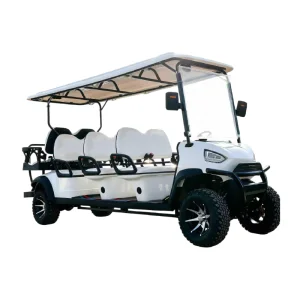
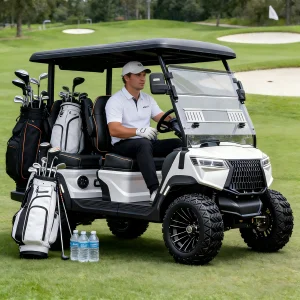
Ideal for premium Japanese clubs with steep vertical transitions between holes, carrying groups of 4 to 8 players and heavy clubs with ease.
Ningbo GLHF Golf Co., Ltd. is a professional manufacturer specializing in electric golf carts and golf course mobility solutions. The company focuses on the design, development, and production of lithium and lead-acid battery-powered golf vehicles, providing reliable transportation solutions for golf courses, resorts, residential communities, hotels, and commercial facilities worldwide.
Since its establishment, GLHF Golf has built a strong foundation in electric mobility engineering and golf industry applications. In its early stage, the company concentrated on assembling basic lead-acid battery golf carts for domestic markets, gradually gaining experience in vehicle structure optimization and battery management systems. As demand for cleaner and more efficient energy solutions increased, the company entered a rapid development phase, introducing lithium battery technologies and upgrading its product line to meet international standards.
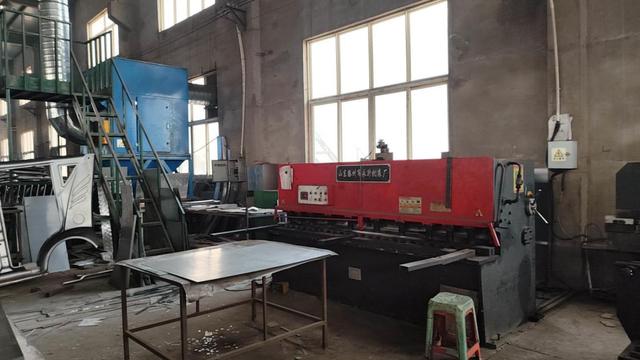
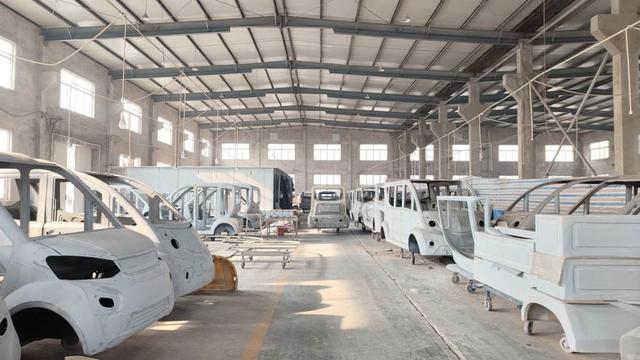
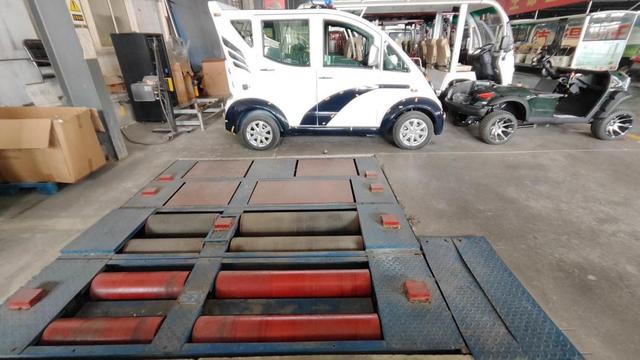
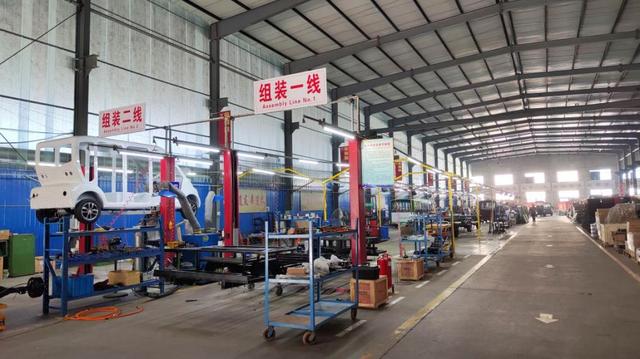
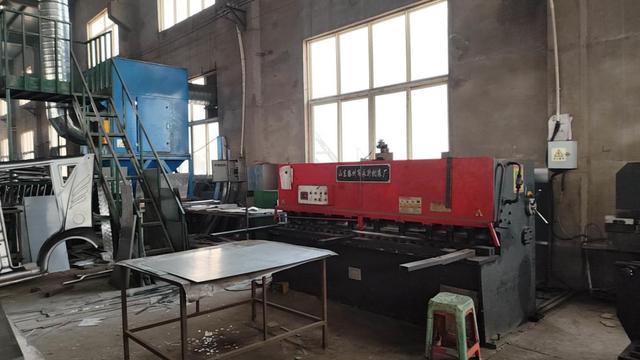
Over the years, GLHF Golf expanded its manufacturing capabilities with advanced production lines, precision assembly workshops, and strict quality control systems. The company continuously improved core technologies such as electric drivetrain efficiency, battery endurance, and vehicle safety performance. At the same time, it developed a diversified product portfolio covering passenger carts, utility carts, and customized fleet solutions for large-scale golf course operations.
Today, Ningbo GLHF Golf Co., Ltd. serves global clients with a strong commitment to innovation, durability, and energy efficiency. With ongoing investment in smart mobility systems and sustainable transportation technologies, the company aims to become a leading international supplier of electric golf cart solutions, delivering high-performance, eco-friendly vehicles for modern golf and leisure industries.
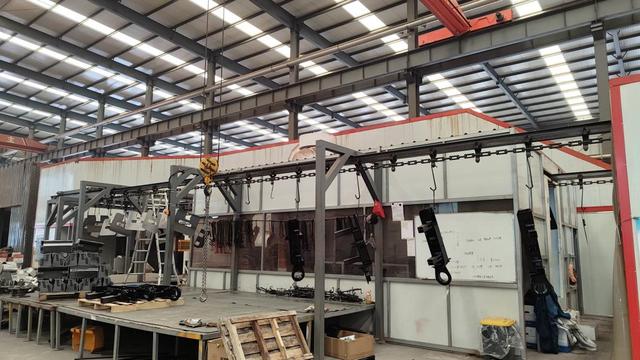
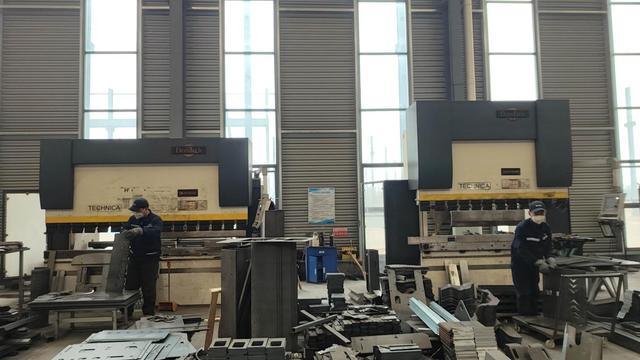
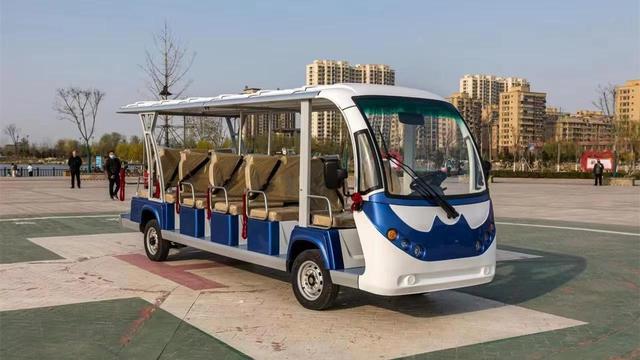
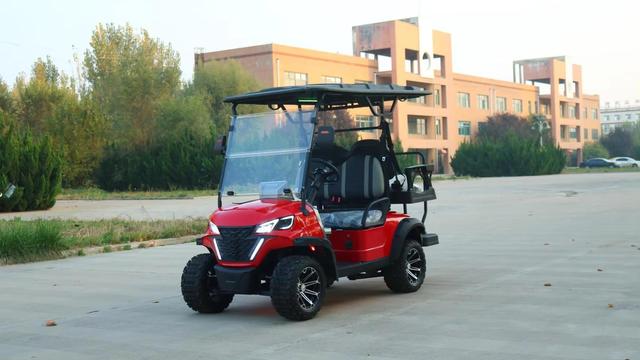
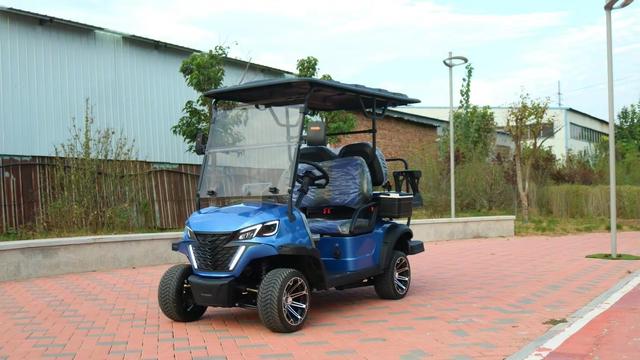
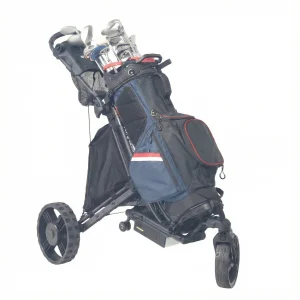
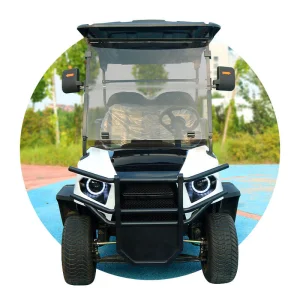
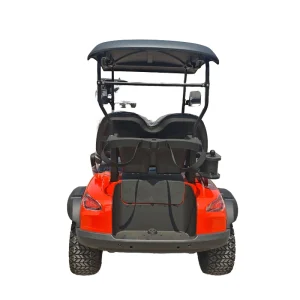
Choose from our complete technical lineup including 4WD models, multi-passenger options, and dump-bed utility configurations.
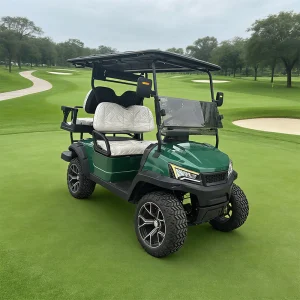
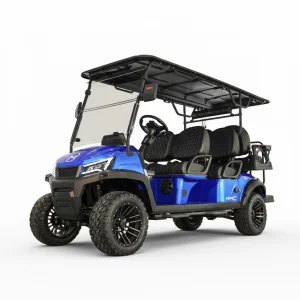
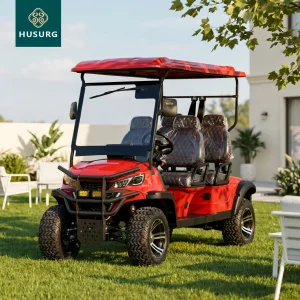
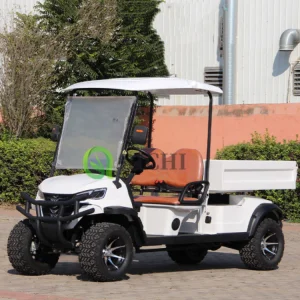
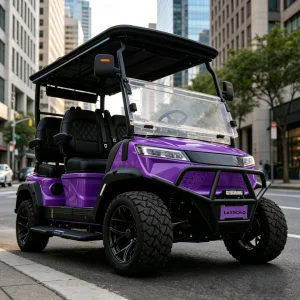
Operating passenger and utility fleets in Japan requires strict compliance with domestic safety regulations and testing. Ningbo GLHF manufactures all vehicle chassis, battery packs, and electronics to meet the strict standards required for international import:
Our heavy-duty models are built in accordance with JIS (Japanese Industrial Standards) D 1301 for electric vehicles where applicable, prioritizing electrical insulation, low-voltage control circuits, and fire-resistant materials. They align with Japan's decarbonization goals, replacing old gasoline-powered utility vehicles at national parks, historic shrines, and ecological preserves without noise or exhaust emissions.
Our carts undergo strict testing to receive CE certifications, guaranteeing electromagnetic compatibility and mechanical build safety. The high-capacity lithium battery packs carry UN38.3 certifications, ensuring safe transport across sea routes from Ningbo to major Japanese ports including Tokyo, Yokohama, Osaka, and Kobe.
Through our strategic partnerships with Japanese local importers, we offer access to replacement parts, including Curtis controllers, lithium BMS circuit boards, high-grade shock absorbers, and off-road tires. In the rare event of a control system failure, diagnostic and programming tools can be dispatched directly to your location, minimizing vehicle down-time.
Answers to common questions from procurement managers and resort operators in Japan.
Get in touch with our engineering team today. We provide tailored configuration options for motor output, battery capacity, suspension setups, and local shipping solutions to Japan.
Send Inquiry Now GLHF Golf