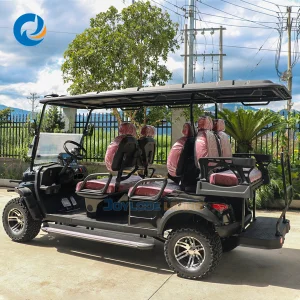
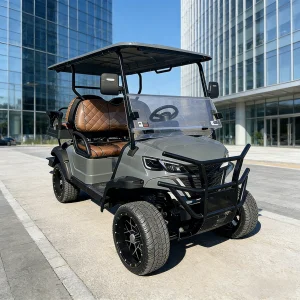
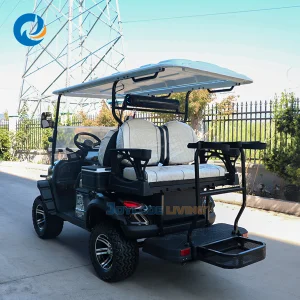
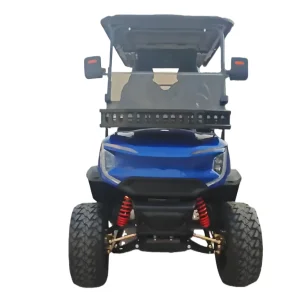
Designed for multi-vehicle tracking, extreme operational durability, and low maintenance overheads in modern rental networks.

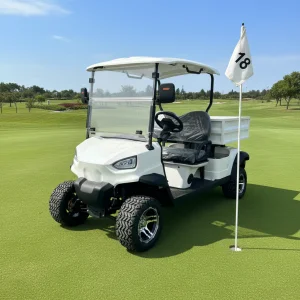
Analyzing key structural drivers expanding commercial fleet golf cart deployment across South America's fastest-growing green economy.
Chile is actively spearheading Latin America's transition toward sustainable mobility. Governed by the ambitious National Electromobility Strategy (Estrategia Nacional de Electromovilidad), which aims to phase out internal combustion light vehicles in favor of zero-emission fleets by 2035, the demand for high-efficiency off-road utility and low-speed electric vehicles (LSEVs) has surged. Historically confined strictly to traditional golf courses, rental fleet golf carts have evolved into critical logistics and micro-transit platforms supporting resort complexes, industrial plants, gated communities, and decentralized eco-tourism hubs across Chile.
This transformation is highly pronounced in regions with strict environmental regulations and unique topographies. In the coastal enclaves of the Valparaíso region (such as Zapallar and Santo Domingo) and private estate developments within the Santiago Metropolitan Region (e.g., Chicureo), golf carts are replacing standard automobiles for short-range municipal and personal commutes. At the same time, Chile’s massive industrial sectors—ranging from the northern solar field installations in the Atacama Desert to the sprawling agricultural vineyards in the Central Valley (Colchagua and Maipo Valleys)—rely on specialized utility fleets for day-to-day operations. Implementing electric rental fleet golf cart solutions provides Chilean corporations with measurable reductions in Scope 1 emissions, lower Total Cost of Ownership (TCO), and alignment with the nation’s green corporate directives.
Modern commercial fleets are moving rapidly away from lead-acid batteries and non-connected platforms. The transition is driven by advanced chemistry and digital telematics designed to optimize operational visibility.
By integrating advanced GPS and customized SaaS, rental fleet managers can dynamically control speed limits, set operational boundaries, and instantly diagnose vehicle alerts over cellular networks.
Heavy-duty multi-passenger shuttle designs and comprehensive maintenance systems for commercial hospitality portfolios.
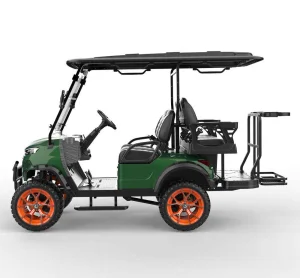
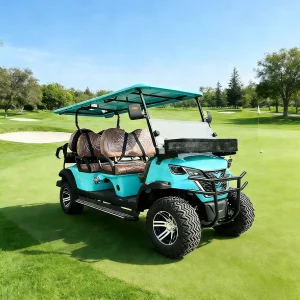
From the arid hyper-saline coastal zones to freezing high-altitude environments, our engineering standard is built to endure.
Deploying electric utility vehicles and golf cart rental fleets in Chile requires design considerations that go far beyond standard indoor or flat resort settings. The geographical landscape of Chile includes some of the world's most challenging operational conditions. In the coastal resorts of Viña del Mar, La Serena, and Iquique, fleet vehicles are continuously exposed to marine air with high salinity and relative humidity. Left unchecked, standard structural steel frames and mild steel components degrade rapidly. To counter this, our manufacturing process utilizes hot-dip galvanized steel chassis structures paired with advanced multi-layer electro-coating (E-coat) processes, providing superior corrosion resistance that guarantees structural integrity over years of operations near the ocean.
Furthermore, remote energy installations, agricultural fields, and mountainous resort regions present massive altitude and temperature fluctuations. Our advanced Lithium Iron Phosphate (LiFePO4) Battery Management Systems (BMS) are integrated with thermal management systems to regulate battery core temperatures, ensuring stable power delivery even in cold Andean conditions or the intense dry heat of the northern mining sectors. Dual-rated AC motors (5kW standard to 7.5kW peak) controlled by premium Curtis AC controllers provide high torque output for steep grades, ensuring safe downhill speed limit operations through sophisticated active electronic braking algorithms.
Double-coated anti-corrosion structural frames designed specifically to resist coastal marine environments and high salinity air.
Advanced Curtis AC controllers provide automatic descent control and dynamic hill hold, keeping fleet operators safe on steep slopes.
IP67 water and dustproof enclosures house tracking and battery telemetry, operating flawlessly between -20°C and 55°C.
Ningbo GLHF Golf Co., Ltd. is a professional manufacturer specializing in electric golf carts and golf course mobility solutions. The company focuses on the design, development, and production of lithium and lead-acid battery-powered golf vehicles, providing reliable transportation solutions for golf courses, resorts, residential communities, hotels, and commercial facilities worldwide.
Since its establishment, GLHF Golf has built a strong foundation in electric mobility engineering and golf industry applications. In its early stage, the company concentrated on assembling basic lead-acid battery golf carts for domestic markets, gradually gaining experience in vehicle structure optimization and battery management systems. As demand for cleaner and more efficient energy solutions increased, the company entered a rapid development phase, introducing lithium battery technologies and upgrading its product line to meet international standards.
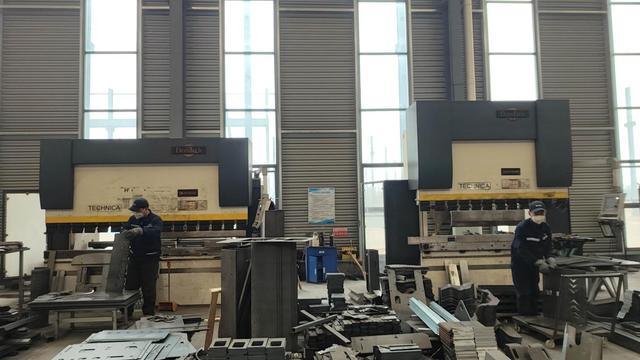
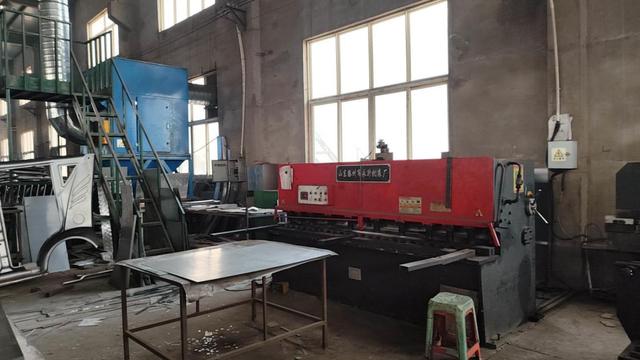
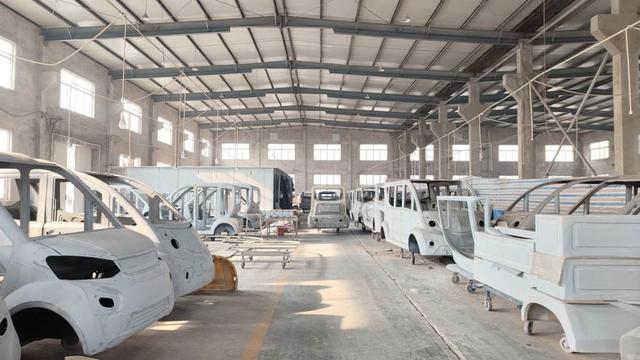
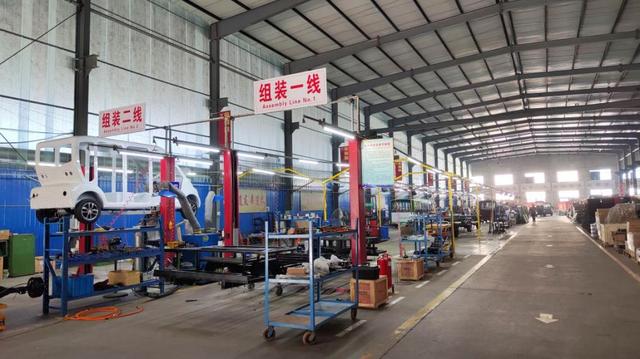
Over the years, GLHF Golf expanded its manufacturing capabilities with advanced production lines, precision assembly workshops, and strict quality control systems. The company continuously improved core technologies such as electric drivetrain efficiency, battery endurance, and vehicle safety performance. At the same time, it developed a diversified product portfolio covering passenger carts, utility carts, and customized fleet solutions for large-scale golf course operations.
State-of-the-art precision assembly lines implementing rigid quality control benchmarks.
Fully certified vehicle platforms aligning with CE, DOT, and EEC international regulatory requirements.
Continuous R&D investment aimed at boosting electric powertrain and lithium efficiency.
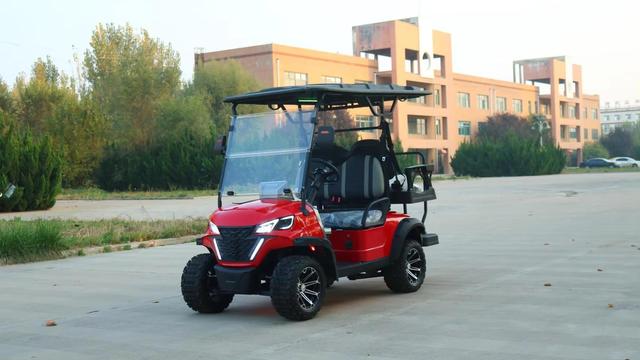
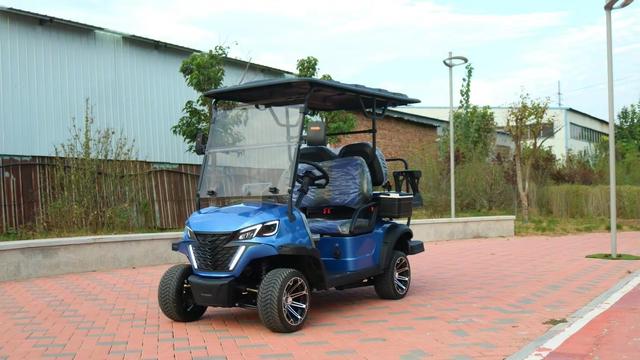
Engineered for high performance, commercial versatility, and direct integration with digital rental platforms.
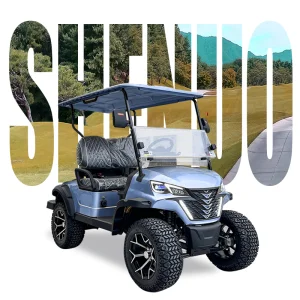



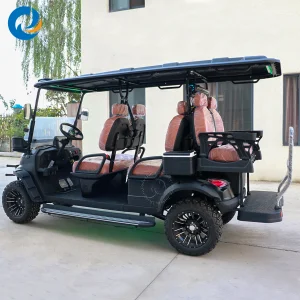
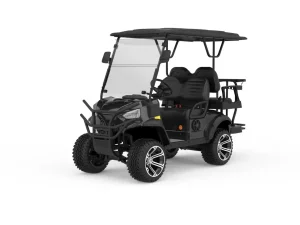
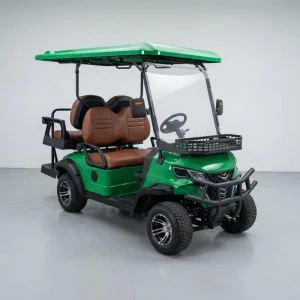
Understanding how GLHF's integrated electric vehicles drive cost efficiency across multiple Chilean economic sectors.
The applicability of modern utility carts spans multiple major Chilean industries, each having precise requirements that our systems fulfill:
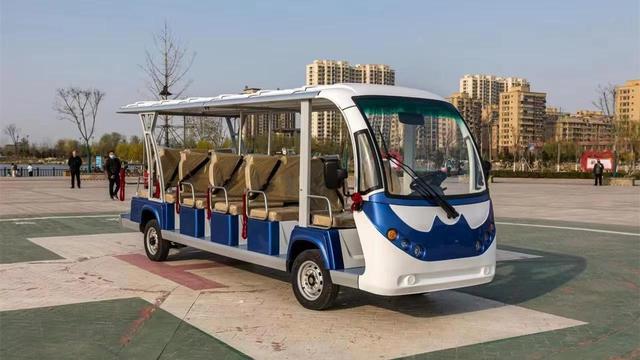
In massive resort complexes along the coastal roads of Central Chile and within nature sanctuaries in Patagonia, our 6-seater and resort shuttle vehicles operate continuously. By eliminating loud internal combustion noise and exhaust fumes, resorts maintain pristine environments for their guests. Advanced GPS mapping enables geofencing boundaries to prevent carts from entering delicate dune eco-systems or private zones.
Chile's globally recognized vineyards require highly clean transportation systems to prevent chemical emissions and protect organic crops. Our maintenance-free lithium utility buggies move supervisors, harvest checkers, and tour groups through narrow estate rows quietly. The high-performance suspension systems reduce cargo vibration, preserving quality during transit.
In the massive solar photovoltaic installations of northern Chile, maintenance technicians must traverse kilometers of gravel tracks daily. Our 400cc gas-powered off-road buggies or heavy-duty 48V electric utility carts with rugged off-road tires provide reliable transport options. They carry tools and specialized testing gear through harsh terrain under constant sunlight and high wind loads.
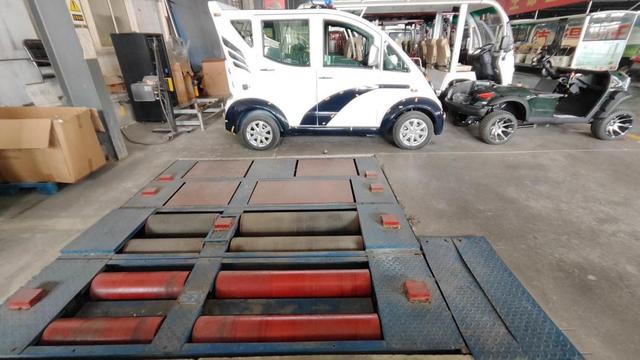
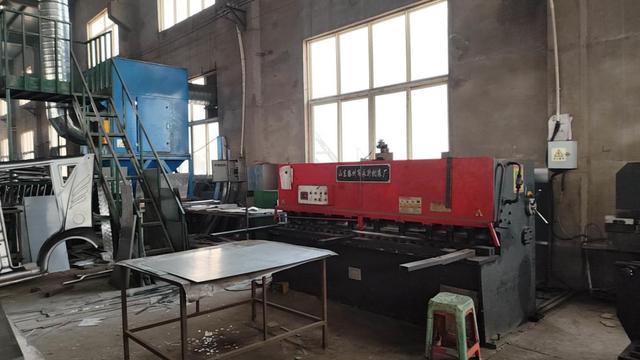
Take a virtual tour inside our state-of-the-art production lines, chassis assembly plants, and rigorous testing facilities.
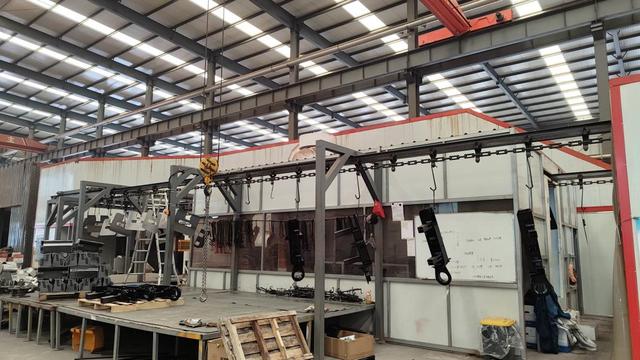
Technical guidance and commercial parameters for Chilean procurement managers selecting golf cart fleets.
Connect with our expert engineering team to customize your battery configuration, software systems, and branding designs to match your operational requirements.
Send Inquiry Now GLHF Golf