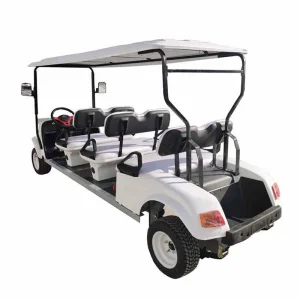
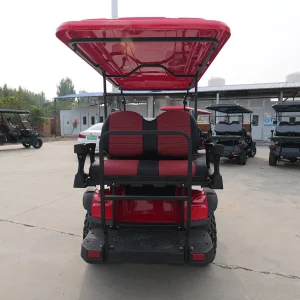
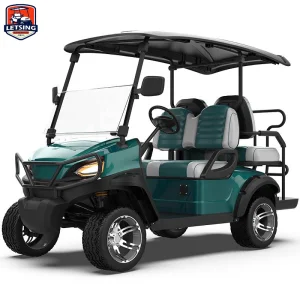
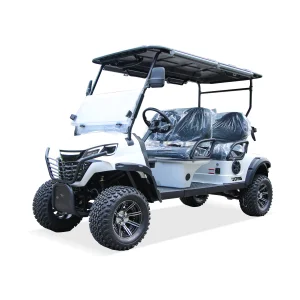
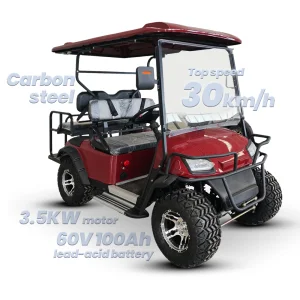
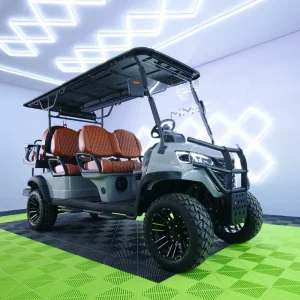
Explore our premium grade utility and passenger vehicles engineered for performance, longevity, and structural safety.
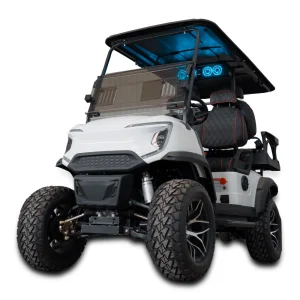
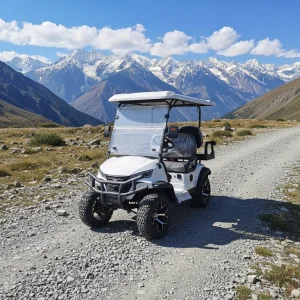
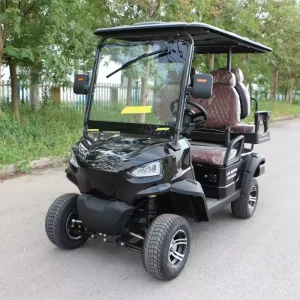
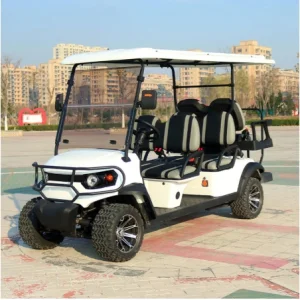
Why lead-acid power solutions remain highly relevant, structurally superior, and cost-effective for modern commercial operations.
While lithium-ion batteries dominate headlines, deep-cycle flooded and AGM lead-acid batteries continue to serve as the backbone for global resort fleets, industrial compounds, and high-intensity logistics operations. The primary driver is lifecycle acquisition economy. A custom OEM lead-acid golf cart offers up to 40% lower upfront capital expenditure (CAPEX) compared to lithium equivalents.
For commercial operators managing large fleets of 50 to 500 vehicles, this initial CAPEX reduction translates to immediate liquidity retention. When paired with intelligent, automated multi-stage charging systems, premium lead-acid batteries achieve excellent operational runtimes, with a service life extending over 5-7 years under proper fleet maintenance practices.
From a logistics and safety standpoint, lead-acid technology possesses inherent safety traits. Unlike lithium, lead-acid battery packs are completely immune to thermal runaway. This makes them highly preferred for high-ambient temperature regions, such as desert resorts, tropical islands, and heavy industrial yards, where thermal limits are regularly tested.
Furthermore, international freight shipping for lead-acid vehicles does not face the complex and costly Class 9 hazardous material compliance regulations that govern lithium-ion transport. This ensures faster custom clearance, reduced logistics delays, and predictable shipping fees for overseas importers.
How Ningbo and regional automotive clusters drive product quality, material engineering, and cost advantages for global buyers.
Chinese OEM golf cart manufacturers leverage an integrated manufacturing cluster. From raw steel extrusion, high-precision injection-molded body structures, to proprietary transmission and transaxle assembly, every part of the vehicle is produced within a 100km radius. This localized infrastructure dramatically lowers logistics lead-times and component assembly costs.
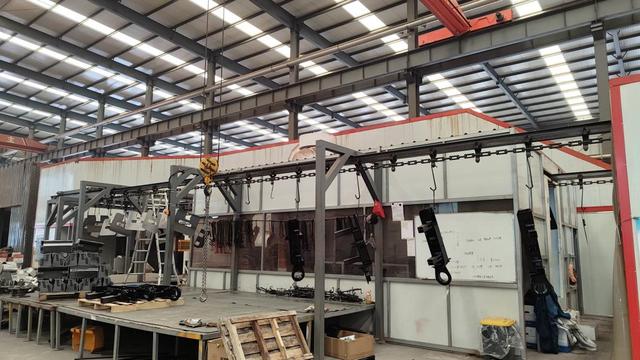
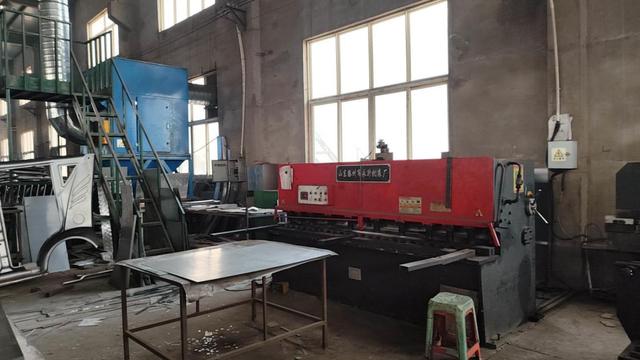
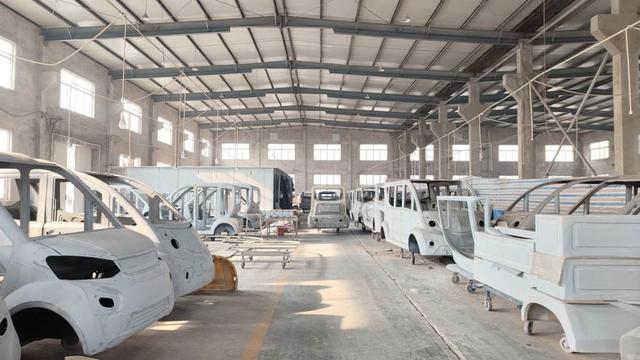
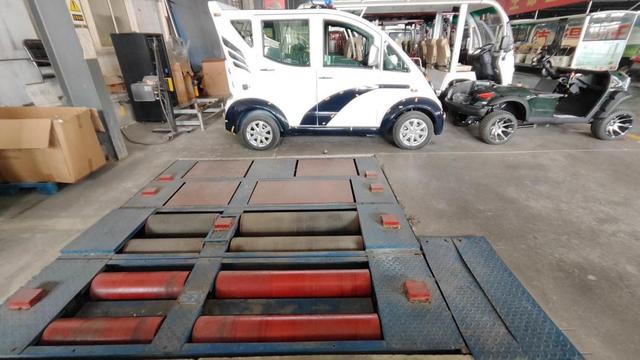
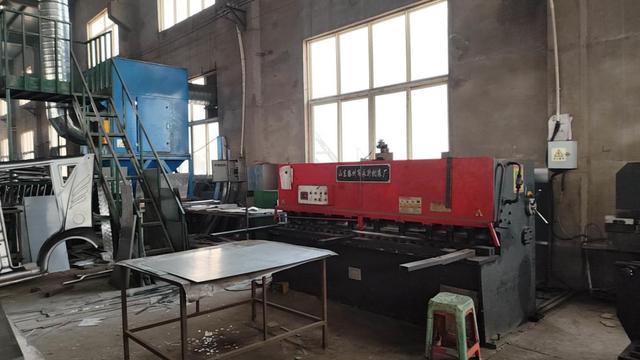
Advanced factories deploy multi-axis robotic welding, automated electrophoretic paint coating lines, and computerized chassis alignment. Finished vehicles undergo rigorous testing protocol, including salt spray chamber analysis for anti-rust verification, 25-degree continuous incline climbing tests, and long-range battery discharge verification cycles.
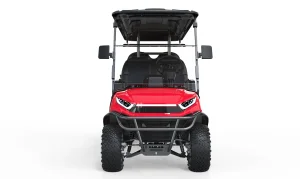
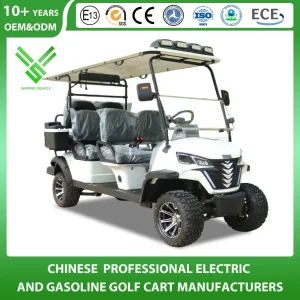
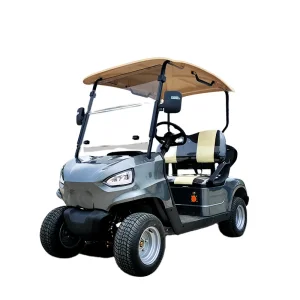
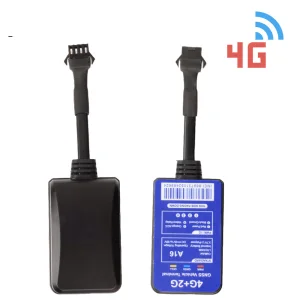
Custom OEM capability allows distributors to select custom chassis lengths, heavy-duty suspension modules, off-road tire thread configurations, custom dashboard telemetry systems (such as integrated 4G GPS and fleet anti-jamming telematics), and specific seating capacities (from 2-seater work buggies to 6-seater lifted off-road resort cruisers).
A trusted pioneer in engineered electric mobility and global golf course fleet deployment.
Ningbo GLHF Golf Co., Ltd. is a professional manufacturer specializing in electric golf carts and golf course mobility solutions. The company focuses on the design, development, and production of lithium and lead-acid battery-powered golf vehicles, providing reliable transportation solutions for golf courses, resorts, residential communities, hotels, and commercial facilities worldwide.
Since its establishment, GLHF Golf has built a strong foundation in electric mobility engineering and golf industry applications. In its early stage, the company concentrated on assembling basic lead-acid battery golf carts for domestic markets, gradually gaining experience in vehicle structure optimization and battery management systems. As demand for cleaner and more efficient energy solutions increased, the company entered a rapid development phase, introducing lithium battery technologies alongside robust lead-acid configurations and upgrading its product line to meet international standards.
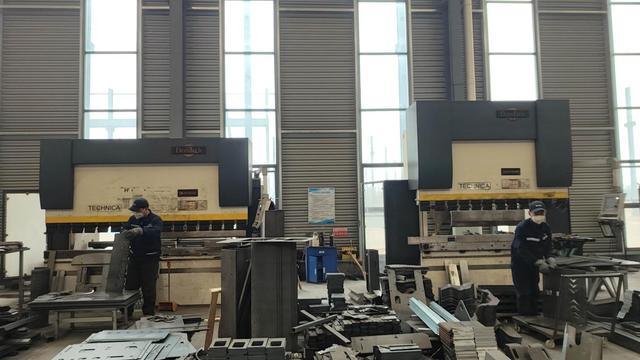
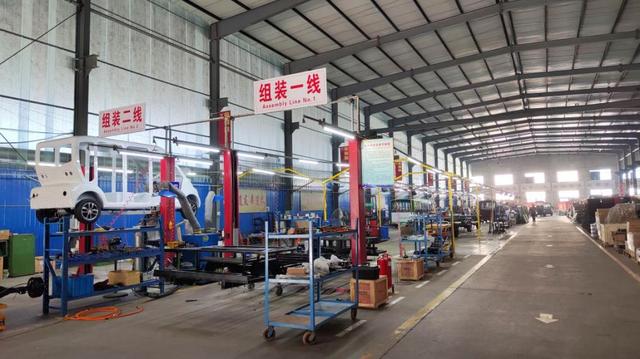
Over the years, GLHF Golf expanded its manufacturing capabilities with advanced production lines, precision assembly workshops, and strict quality control systems. The company continuously improved core technologies such as electric drivetrain efficiency, battery endurance, and vehicle safety performance. At the same time, it developed a diversified product portfolio covering passenger carts, utility carts, and customized fleet solutions for large-scale golf course operations.
Today, Ningbo GLHF Golf Co., Ltd. serves global clients with a strong commitment to innovation, durability, and energy efficiency. With ongoing investment in smart mobility systems and sustainable transportation technologies, the company aims to become a leading international supplier of electric golf cart solutions, delivering high-performance, eco-friendly vehicles for modern golf and leisure industries.
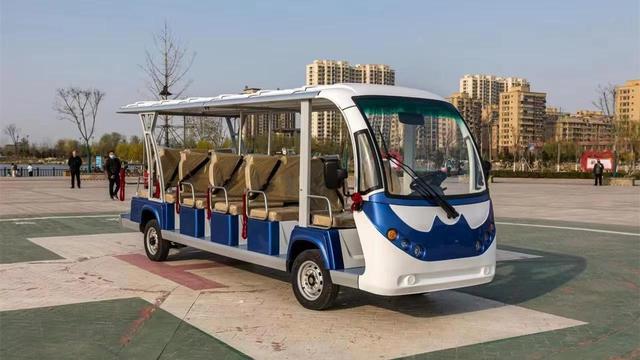
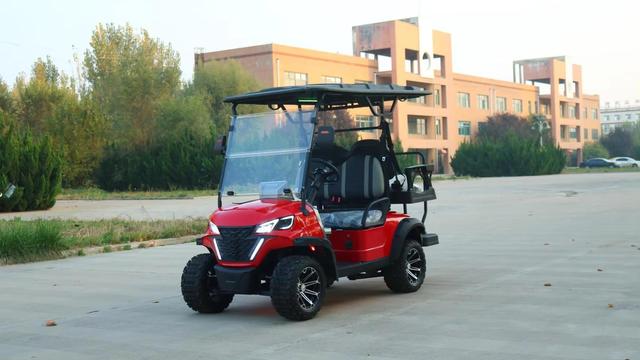
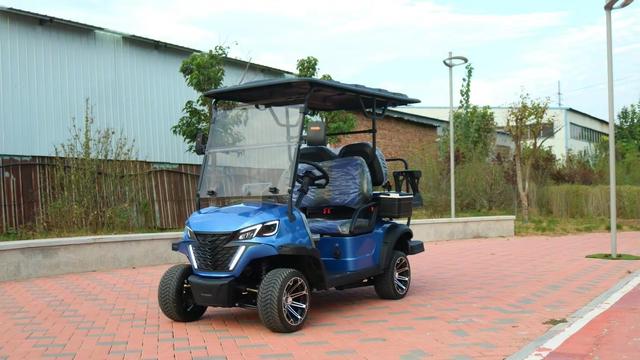
Tailoring electric low-speed vehicles (LSVs) for diverse industrial, commercial, and residential use cases.
Resorts operating along sandy coasts or hilly islands need highly resilient vehicles. By using hot-dip galvanized chassis frames and marine-grade vinyl seating, OEM lead-acid golf carts survive high-salinity air. Integrating solar charging panels on the canopy roofs can extend range by up to 15km per day, offering a carbon-neutral footprint that aligns with modern eco-tourism mandates.
With the rapid expansion of gated retirement communities and suburban micro-districts, street-legal golf cars (LSVs) have become a vital mode of transport. Features like DOT-approved windshields, three-point seat belts, hydraulic disc brakes, and real-time GPS speed regulators ensure safety compliance on municipal neighborhood roads.
Factory campuses, airports, and shipping terminals require low-speed utility vehicles capable of hauling cargo, tools, and maintenance personnel. The physical weight of lead-acid battery packs helps balance vehicles carrying front-heavy loads, maintaining traction on steep ramps, wet loading docks, and uneven warehouse floors.
For traditional golf course operations, fleet reliability is paramount. Custom lead-acid systems integrated with smart regenerative braking systems capture energy from downhill descents, feeding it back into the battery bank. This increases total hole-play capacity per charge while protecting the grass with low-impact turf tires.
A data-backed look at the physical and operational performance metrics of both power systems to guide procurement decisions.
| Evaluation Parameter | OEM Deep Cycle Lead-Acid System | OEM Lithium-Ion (LiFePO4) System | B2B Sourcing Value Analysis |
|---|---|---|---|
| Initial Sourcing Cost (CAPEX) | Low (Baseline) | High (1.6x - 2.0x higher) | Lead-acid offers substantial budget flexibility for high volume fleet purchases. |
| Optimal Ambient Temp Range | -15°C to 50°C | 0°C to 45°C (Requires heater below freezing) | Lead-acid is exceptionally stable under extreme hot/cold warehouse/resort environments. |
| BMS & Electronics Complexity | Standard analog controllers / Safe charging | High-end digital BMS with cell-balancing | Lead-acid is easier to service locally without specialized software diagnostics. |
| Chassis Weight Distribution | Heavy (Provides low center of gravity) | Light (Requires suspension adjustments) | Heavy battery pack enhances traction on uneven off-road conditions and steep slopes. |
| End-of-life Recycling Loop | 99% fully closed recycling infrastructure | Under 10% commercial recycling rate currently | Lead-acid supports corporate ESG mandates through highly circular recovery programs. |
Essential checklist points for sourcing managers, distributors, and buyers to verify high-performing OEM manufacturing.
Ensure that the AC motor size matches the terrain profile. While 3kW AC motors are sufficient for flat resort pathways, 4kW or 5kW high-torque motors are recommended for off-road configurations, mountain terrains, or passenger counts of 6 and above.
Verify whether the factory supports premium battery integration (such as US-made Trojan deep-cycle batteries) or certified premium domestic brands. Ensure that smart chargers match the regional utility voltage (110V/220V, 50Hz/60Hz).
For coastal resorts or tropical climates, demand hot-dip galvanized or high-strength aluminum alloy frames rather than standard painted steel. Rust is the leading cause of fleet write-offs in seaside environments.
Expert answers addressing the technical, financial, and logistical concerns of global golf cart distributors.
Under proper fleet maintenance protocols (regular distilled water topping for flooded cells, clean terminals, and avoiding deep discharge below 20% SoC), high-quality lead-acid battery packs perform reliably for 4 to 6 years. Maintenance-free AGM lead-acid batteries have a slightly different charge cycle response but offer reduced labor costs.
Yes. OEM factories can integrate specialized upgrade packages for global compliance. This includes DOT-approved shatterproof windshields, 3-point seatbelts, complete LED lighting systems (low/high beams, turn signals, hazard lights), horn, dual side-mirrors, hydraulic front/rear brakes, and digital speedometer consoles. EEC certificates are available for EU compliance.
Standard OEM production for a standard configuration fleet (e.g., 20-50 vehicles) is around 25 to 30 days. Highly customized specifications requiring custom body tooling or suspension modifications take 40 to 45 days. The vehicles are typically loaded into standard dry containers (40ft high cube container fits up to 10 typical 2-seater carts) for global ocean transit.
We provide a robust warranty coverage structure: a 2-year warranty on structural chassis and frame parts, and a 1-year limited warranty on batteries, motors, and speed controllers. In the rare event of component failure, replacement parts are dispatched via global air courier. Additionally, we provide localized repair manuals, diagnostic tools, and technical video sessions.
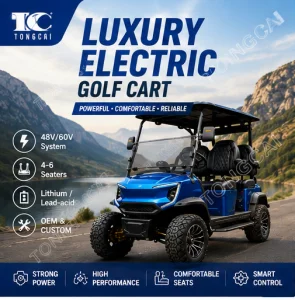
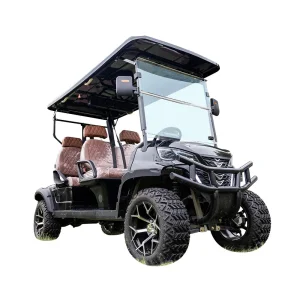
Premium configuration utility vehicles, luxury resort buggies, and specialized multi-passenger electric transports.
 GLHF Golf