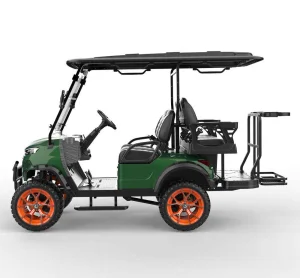
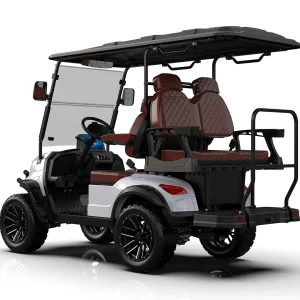
Engineered for premium commercial transit, heavy-duty utility, and high-performance resort operations.
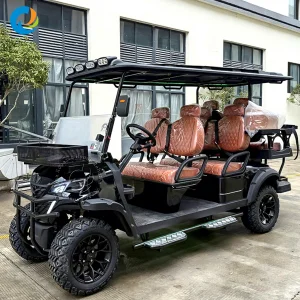
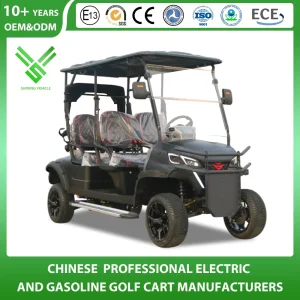
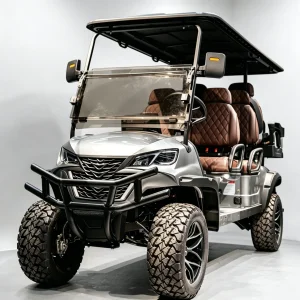
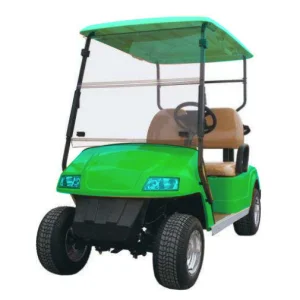
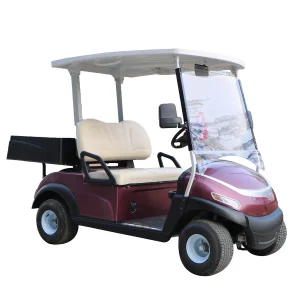
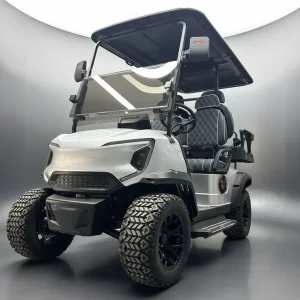
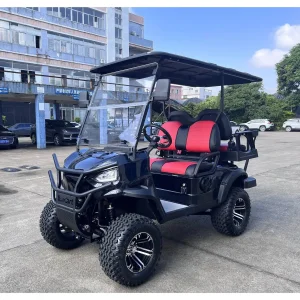
The global low-speed vehicle (LSV) market is undergoing a seismic paradigm shift. Traditional lead-acid battery configurations are rapidly becoming obsolete, replaced by advanced Lithium Iron Phosphate (LiFePO4) chemistry. This transition is driven by the industry's demand for operational longevity, zero maintenance overhead, and significant weight reductions. OEM factories are responding to this trend by redesigning chassis platforms specifically optimized for unified lithium battery cells, maximizing space efficiency and structural stability.
From golf courses to planned urban developments and airport logistics, operators are calculating the Total Cost of Ownership (TCO). While the initial capital expenditure of lithium-powered carts is higher, the ROI is realized within the first 18-24 months. LiFePO4 cells yield up to 3,500 to 5,000 charge cycles at an 80% Depth of Discharge (DoD), compared to the mere 500-800 cycles of premium lead-acid alternatives. This longevity translates directly into five-fold increases in vehicle lifecycle value.
Exploring the engineering milestones that define industrial-grade electric micro-mobility.
Automotive-grade Battery Management Systems monitoring cell-level voltage, temperature, and current. Active balancing algorithms prevent thermal runaway and optimize performance during extreme discharge cycles.
High-efficiency 4KW to 5KW AC motors paired with programmable controllers (e.g., Curtis/Enpower). This system enables regenerative braking, returning energy back to the lithium cells during downhill descents.
Monocrystalline photovoltaic cells integrated into the cart canopy, providing trickling current to the battery pack. Extends vehicle operational range by up to 15-20% per day under optimal solar irradiance.
From an OEM customization perspective, custom vehicle design requires careful calibration. Our manufacturing lines allow complete flexibility in adapting lithium configurations to specific environmental constraints. For example, for cold-weather deployments in Northern Europe or Canada, we install self-heating battery blankets that activate automatically when temperatures drop below 0°C. This feature prevents lithium plating during charge cycles. For tropical resort operations, we utilize IP67-rated sealed enclosures to protect the battery and electrical distribution nodes from salt air humidity, direct water intrusion, and dust accumulation.
Professional manufacturer specializing in electric golf carts and golf course mobility solutions.
Ningbo GLHF Golf Co., Ltd. is a professional manufacturer specializing in electric golf carts and golf course mobility solutions. The company focuses on the design, development, and production of lithium and lead-acid battery-powered golf vehicles, providing reliable transportation solutions for golf courses, resorts, residential communities, hotels, and commercial facilities worldwide.
Since its establishment, GLHF Golf has built a strong foundation in electric mobility engineering and golf industry applications. In its early stage, the company concentrated on assembling basic lead-acid battery golf carts for domestic markets, gradually gaining experience in vehicle structure optimization and battery management systems. As demand for cleaner and more efficient energy solutions increased, the company entered a rapid development phase, introducing lithium battery technologies and upgrading its product line to meet international standards.
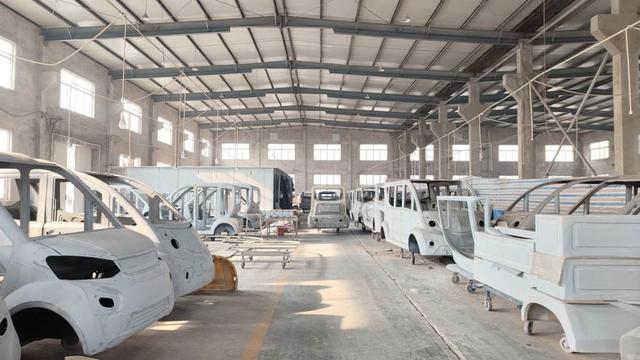
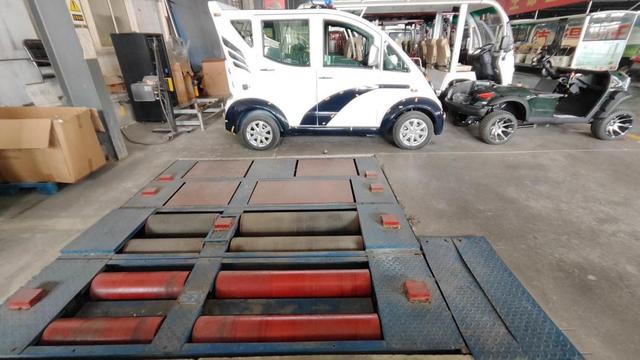
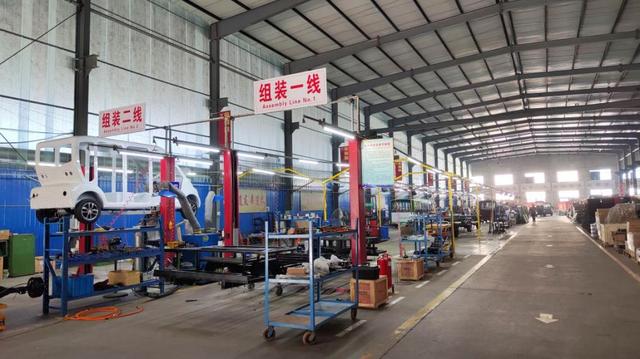
Over the years, GLHF Golf expanded its manufacturing capabilities with advanced production lines, precision assembly workshops, and strict quality control systems. The company continuously improved core technologies such as electric drivetrain efficiency, battery endurance, and vehicle safety performance. At the same time, it developed a diversified product portfolio covering passenger carts, utility carts, and customized fleet solutions for large-scale golf course operations.
Today, Ningbo GLHF Golf Co., Ltd. serves global clients with a strong commitment to innovation, durability, and energy efficiency. With ongoing investment in smart mobility systems and sustainable transportation technologies, the company aims to become a leading international supplier of electric golf cart solutions, delivering high-performance, eco-friendly vehicles for modern golf and leisure industries.
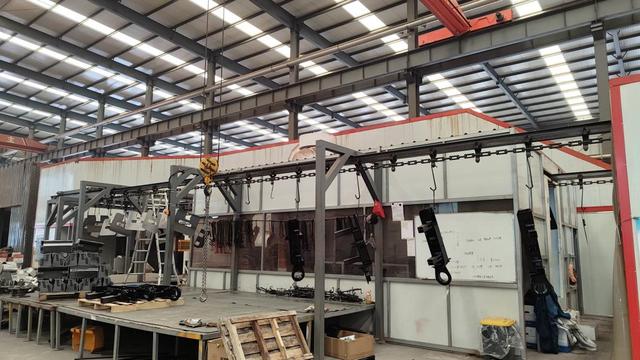
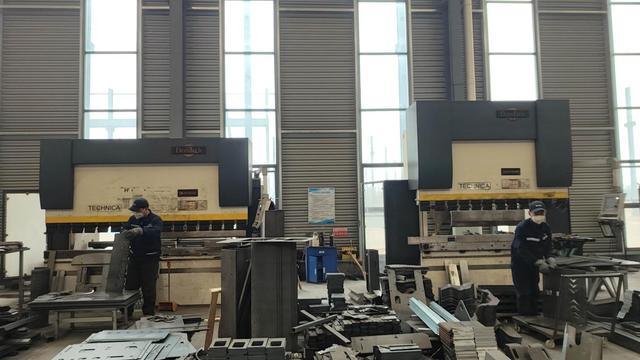
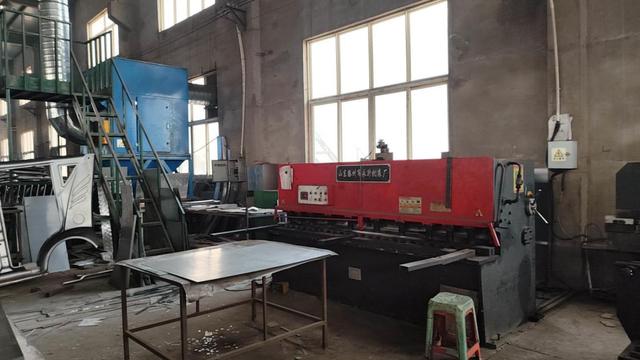
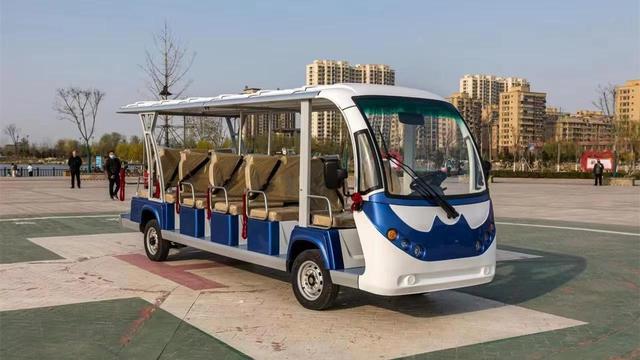
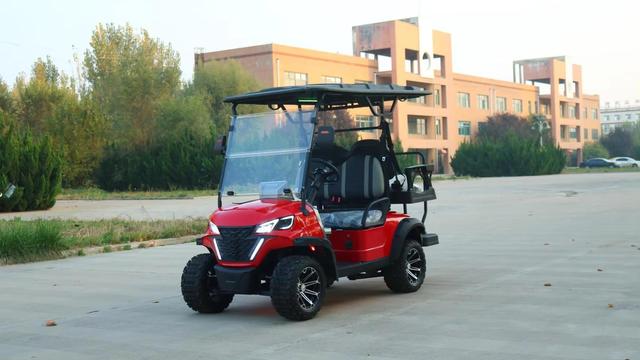
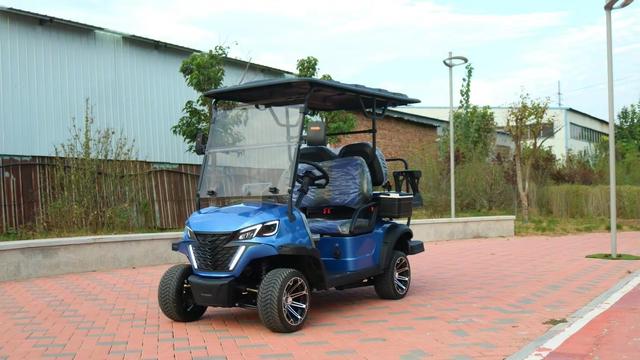
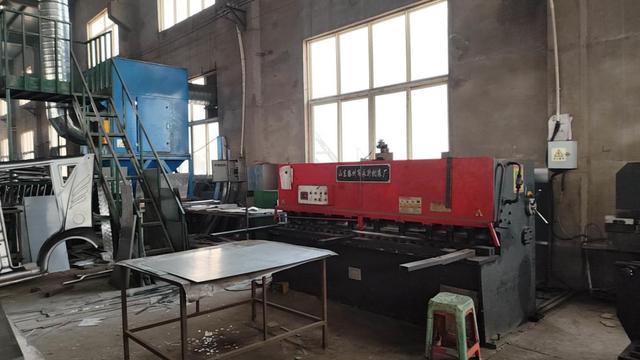
Tailored mobility configurations engineered for diverse global operating environments.

To maximize commercial value, custom fleets require unique engineering approaches depending on where and how they are deployed. A standard configuration is rarely sufficient across different commercial sectors. We categorize localized application frameworks into four distinct strategies:
The next era of smart low-speed electric vehicles (LSVs) centers on autonomy, integration, and circular lifecycle systems.
Integrating 4G/5G telematics hardware directly into the motor controller. Fleet managers can monitor real-time vehicle geolocation, battery state-of-charge (SoC), operational logs, and perform over-the-air (OTA) firmware updates.
Integrating LiDAR, ultrasonic proximity sensors, and stereoscopic vision cameras. This technology enables geofenced autonomous transit, collision avoidance, and automated valet parking for hospitality sectors.
Focusing on secondary battery usage and sustainable manufacturing. Retiring LFP packs are repurposed as stationary grid-tied storage systems, supporting solar arrays or emergency back-up power blocks.
Crucial engineering and procurement considerations answered by leading electric mobility experts.
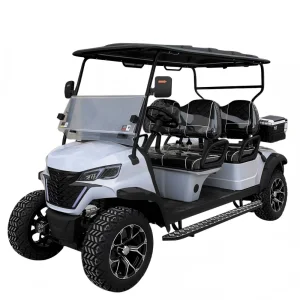
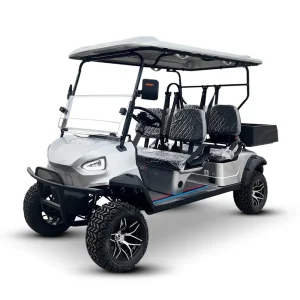
Precision-engineered configurations built to excel in demanding commercial environments.
 GLHF Golf