Explore our flagship weather-resistant models and advanced smart-charging systems designed for long-lasting durability.
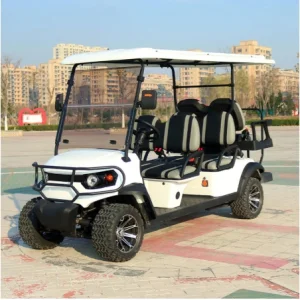
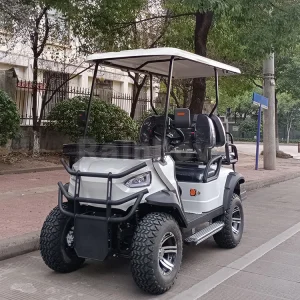
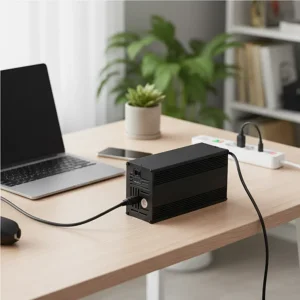
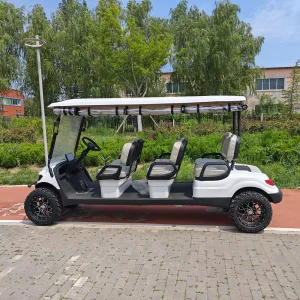
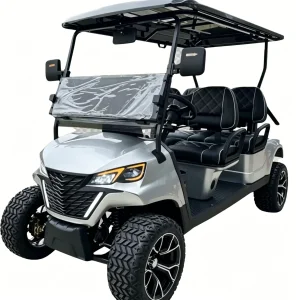
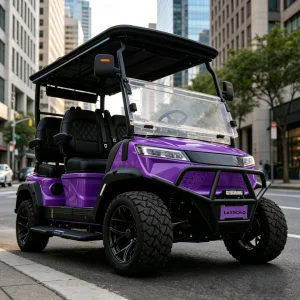

Analyzing material composition, structural waterproofing, and power systems designed to withstand extreme global conditions.
In the contemporary landscaping of hospitality, premium residential developments, and commercial properties, the demand for electric utility and fleet vehicles is scaling exponentially. However, operational costs and longevity are continuously challenged by environment-specific factors such as torrential rain, heavy humidity, salt-spray corrosion, and sub-zero temperatures. Developing a robust, highly reliable fleet requires transitioning from standard recreational golf buggies to purpose-built, weather-resistant low-speed vehicles (LSVs).
Weather resistance in electric vehicles goes far beyond a simple rain cover or plastic shield. It encompasses structural modifications, advanced materials science, and critical engineering redundancies in electrical systems. As a leading specialized manufacturer, we implement strict design methodologies addressing key failure points in harsh weather conditions: chassis corrosion, electrical ingress, and battery thermal regulation.
True weatherproofing is achieved when the vehicle acts as an integrated protective system. Our engineering approach treats the chassis, the drivetrain, the passenger cabin, and the high-output electronic brain as a unified system protected against moisture, saline environments, and temperature fluctuations.
Utilizing hot-dip galvanized steel frames and aircraft-grade aluminum structures that undergo a strict electro-coating (E-Coat) process. This creates an impenetrable barrier against salt-fog environments and high humidity.
Essential components, including the AC motor, controller, battery management system (BMS), and wire connectors, feature IP67 ingress protection, ensuring full submersibility protection and reliable operation in heavy rain.
Integrated temperature sensors combined with automatic pre-heating functions in our lithium battery packs. This keeps performance stable whether operating in sub-zero alpine conditions or high-temperature deserts.
Ningbo and the wider Zhejiang region represent the global epicenter of electric vehicle supply chains and advanced engineering. Partnering with a specialized Chinese factory offers unprecedented advantages in speed-to-market, cost structure, custom tooling, and supply chain control.
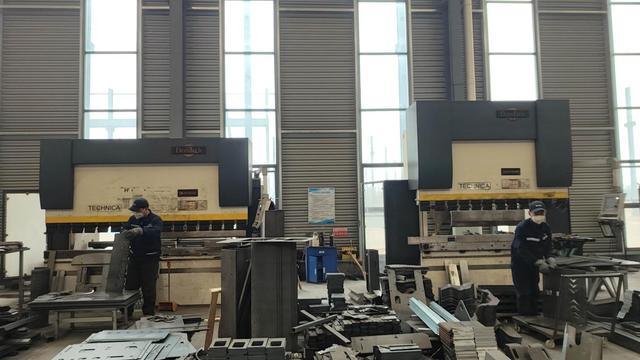
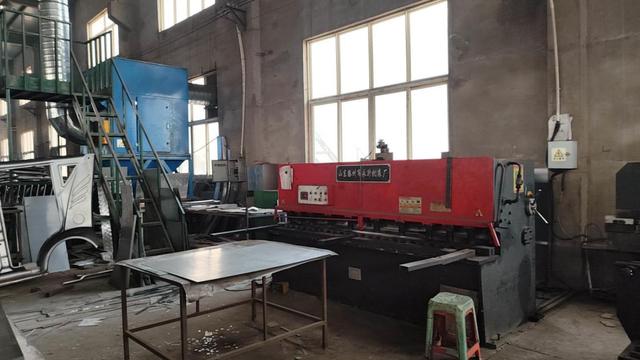
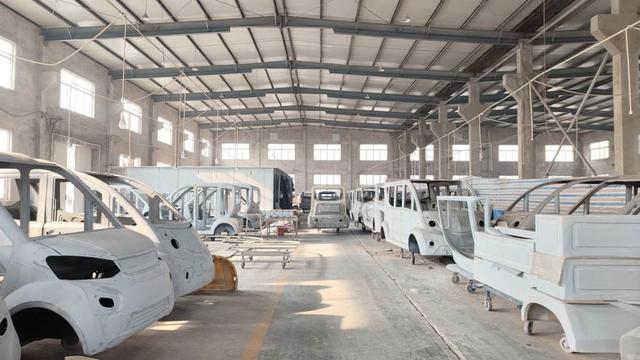
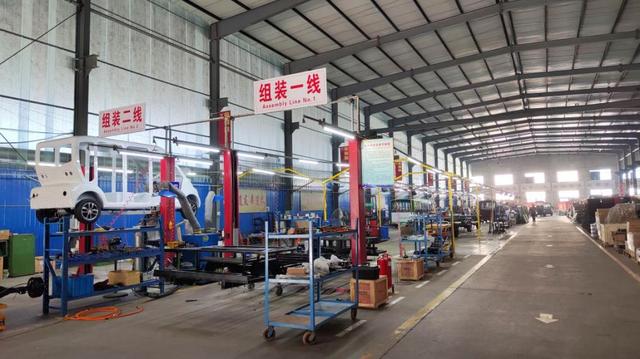
Unlike regional assemblers, our integrated factory controls the manufacturing flow from raw chassis extrusion, custom seat upholstery fabrication, precision welding of body panels, to custom program configurations of the high-power traction controllers. This vertical integration guarantees consistency across high-volume fleet orders and provides a transparent avenue for customized OEM/ODM projects.
Tailored voltage, seating configurations, utility boxes, and branding.
Direct compliance with CE, DOT, and EEC homologation protocols.
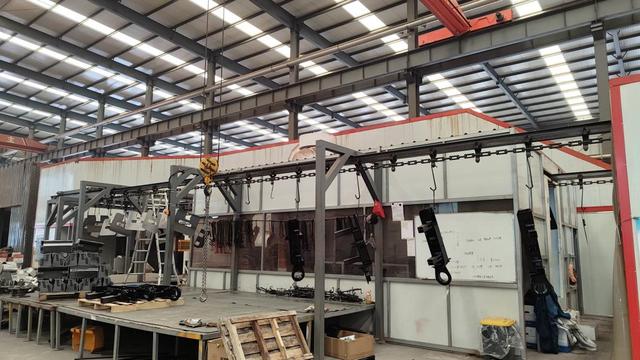
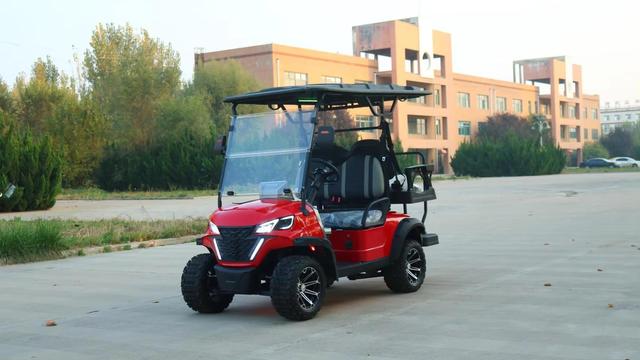
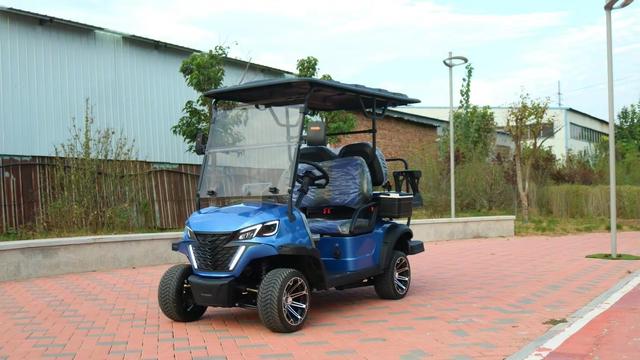
A detailed view contrasting standard golf cart components with our specialized weather-resistant series.
| Feature Component | Standard Recreation Golf Cart | Our Weather-Resistant Series (OEM/ODM) | Engineering Benefit |
|---|---|---|---|
| Chassis Structure | Powder-coated mild steel | Hot-Dip Galvanized / High-Strength Aluminum Alloy | Zero structural rust in coastal saline environments |
| Motor & Inverter | DC Motor with basic splash guards | AC Brushless Motor (IP67 Ingress Rated) | Maintenance-free, operational during torrential rain |
| Lithium Battery | Standard LiFePO4 cells without heating | LiFePO4 with active heating/cooling & custom BMS | Ensures full discharge capacity from -20°C to 55°C |
| Suspension System | Leaf spring suspension | Heavy-Duty Independent Dual A-Arm Suspension | Enhanced payload capacity and safety on rough terrains |
| Cabin Comfort | Basic vinyl, open enclosure | Custom Tongcai & Kepler upholstery, weather-proof curtains | High UV resistance, prevents mold and water retention |
How weather-proof utility vehicles optimize productivity and guest comfort in various micro-climates.
Standard buggies face salt corrosion within months of beachfront operation. Our galvanized frames, stainless steel hardware, and sealed marine upholstery ensure years of degradation-free shuttle services for VIP guests.
Equipped with heated cabins, heavy-tread winter tires, and battery heating units, these carts serve as perfect zero-emission transport vehicles for high-altitude chalets, overcoming frozen trails and low-temp battery drain.
For operations requiring reliable towing and cargo transport, our 4x4 rugged drivetrains and heavy-duty cargo beds handle mud, clay, and extreme gradients without risking damage to the motor or the internal wiring harness.
A legacy built on precision engineering, technological adaptation, and relentless commitment to sustainability.
Ningbo GLHF Golf Co., Ltd. is a professional manufacturer specializing in electric golf carts and golf course mobility solutions. The company focuses on the design, development, and production of lithium and lead-acid battery-powered golf vehicles, providing reliable transportation solutions for golf courses, resorts, residential communities, hotels, and commercial facilities worldwide.
Since its establishment, GLHF Golf has built a strong foundation in electric mobility engineering and golf industry applications. In its early stage, the company concentrated on assembling basic lead-acid battery golf carts for domestic markets, gradually gaining experience in vehicle structure optimization and battery management systems. As demand for cleaner and more efficient energy solutions increased, the company entered a rapid development phase, introducing lithium battery technologies and upgrading its product line to meet international standards.
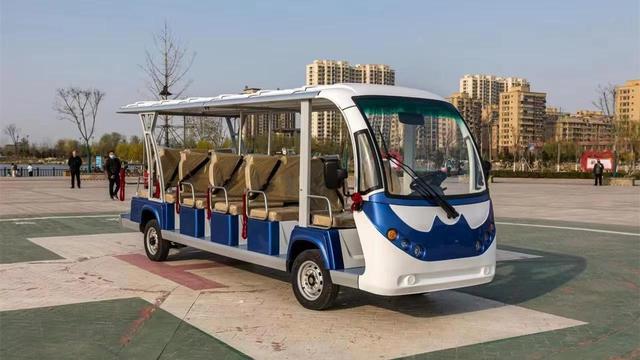
Over the years, GLHF Golf expanded its manufacturing capabilities with advanced production lines, precision assembly workshops, and strict quality control systems. The company continuously improved core technologies such as electric drivetrain efficiency, battery endurance, and vehicle safety performance. At the same time, it developed a diversified product portfolio covering passenger carts, utility carts, and customized fleet solutions for large-scale golf course operations.
Today, Ningbo GLHF Golf Co., Ltd. serves global clients with a strong commitment to innovation, durability, and energy efficiency. With ongoing investment in smart mobility systems and sustainable transportation technologies, the company aims to become a leading international supplier of electric golf cart solutions, delivering high-performance, eco-friendly vehicles for modern golf and leisure industries.
Why modern fleet operators are migrating from lead-acid to lithium smart battery systems.
Procuring a fleet of low-speed vehicles requires deep financial analysis. Standard lead-acid batteries demand constant maintenance, water-level checks, and must be replaced every 2-3 years. Conversely, integrating lithium iron phosphate (LiFePO4) power systems dramatically reduces the overhead. Over a 5-year operating window, the fuel, maintenance, and replacement savings of a lithium-powered fleet outweigh the initial acquisition costs by more than 40%.
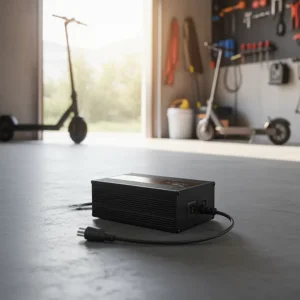
Furthermore, our advanced fast-charging systems allow vehicles to be quickly topped up between guest shifts, maximizing operational availability. By integrating smart AGV robot charging compatibility, fleet owners can automate charging cycles during off-peak night hours, optimizing local electricity tariff usage.
Direct answers regarding custom OEM/ODM parameters, manufacturing lead times, and technical specifications.
We offer comprehensive OEM/ODM customization. This includes tailored battery capacities (48V, 72V, up to 105Ah Lithium systems), seating configurations (2, 4, 6, or 8 seats), custom cargo bed designs, personalized seat upholstery materials, specific motor power outputs (up to 15kW for steep terrains), and custom fleet color branding options.
A hot-dip galvanized chassis is immersed in molten zinc, coating both the inside and outside of the metal tube frame. Standard painted frames only coat the exterior surfaces and scratch easily, leading to rust. Galvanized frames prevent rust formation even when exposed directly to saltwater, coastal moisture, and mud.
Yes, our street-legal series complies with FMVSS 500 standards. They include necessary safety features such as 3-point seat belts, headlights, taillights, turn signals, mirrors, horn, and a VIN number, allowing them to be registered for neighborhood and public road driving where permitted.
The standard manufacturing lead time is 25-35 days from the date of deposit and design sign-off. Bulk orders requiring custom molding or unique chassis designs may take 45 days. Shipping time depends on the destination port, typically 15-20 days to West Coast North America or Europe.
Standard lithium cells suffer performance losses below 0°C. Our premium weather-resistant series integrates a thermal management system within the battery enclosure. When temperatures fall, the system uses a minor portion of internal energy or wall power to preheat the cells, preserving torque and range.
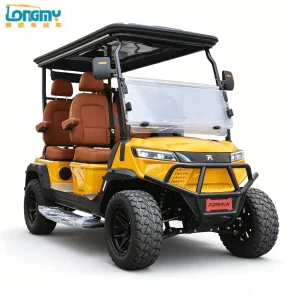
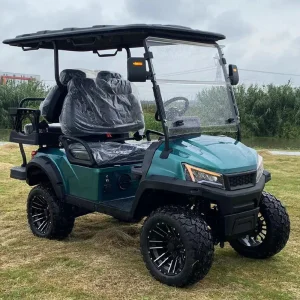
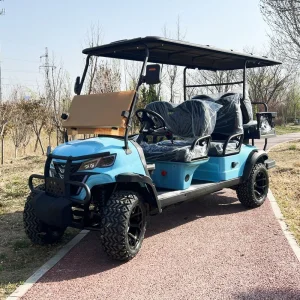
Explore heavy-duty 4x4 models, multi-passenger LSVs, and rugged off-road utility vehicles designed for commercial performance.
 GLHF Golf