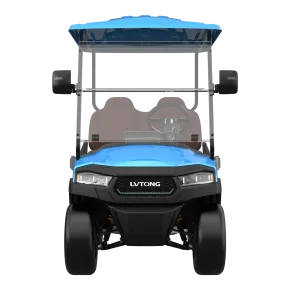
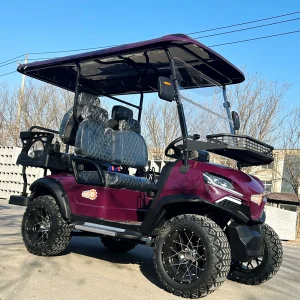
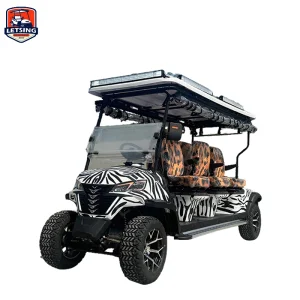
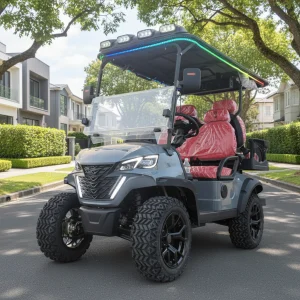
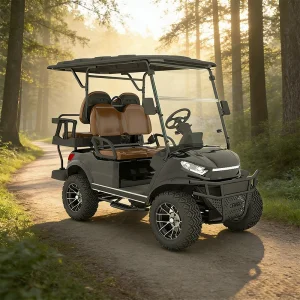
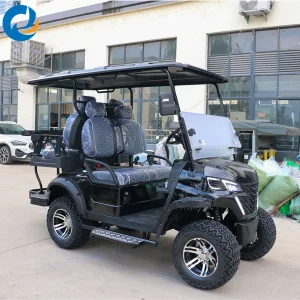
Engineered for endurance, smart fleet tracking, and maximum electrical performance under real-world operating conditions.
The global golf cart market has transitioned from basic turf transport vehicles to complex, micro-mobility platforms. This shift is driven by macro-environmental mandates, urbanization, and the expanding infrastructure of large-scale resort communities, multi-modal municipalities, and industrial mega-projects. To satisfy the demands of contemporary enterprise operations, developers and resort management firms are prioritizing smart features over generic utility.
Modern fleet logistics demand smart capabilities, such as automated speed zoning, geo-fencing safety controls, and real-time remote telemetry. When purchasing custom golf carts for commercial purposes, managers must shift their perspective from viewing the units as simple physical transport assets to integrating them as part of a connected fleet. High-capacity lithium-ion drivetrains, combined with cloud-based fleet software, are now foundational components of this transition.
Operational efficiency, uptime reliability, and total cost of ownership (TCO) dictate procurement outcomes. While lead-acid options require lower upfront capital expenditure, they often result in higher maintenance costs over a five-year lifecycle. Upgrading to high-density lithium systems (such as 72V LiFePO4 chemistry) offers significant long-term savings by reducing battery swaps and vehicle downtime.
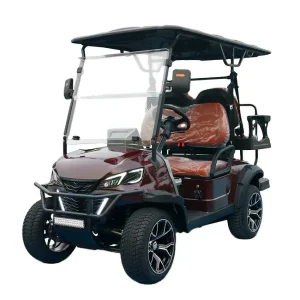
Ningbo GLHF Golf Co., Ltd. is a professional manufacturer specializing in electric golf carts and golf course mobility solutions. The company focuses on the design, development, and production of lithium and lead-acid battery-powered golf vehicles, providing reliable transportation solutions for golf courses, resorts, residential communities, hotels, and commercial facilities worldwide.
Since its establishment, GLHF Golf has built a strong foundation in electric mobility engineering and golf industry applications. In its early stage, the company concentrated on assembling basic lead-acid battery golf carts for domestic markets, gradually gaining experience in vehicle structure optimization and battery management systems. As demand for cleaner and more efficient energy solutions increased, the company entered a rapid development phase, introducing lithium battery technologies and upgrading its product line to meet international standards.
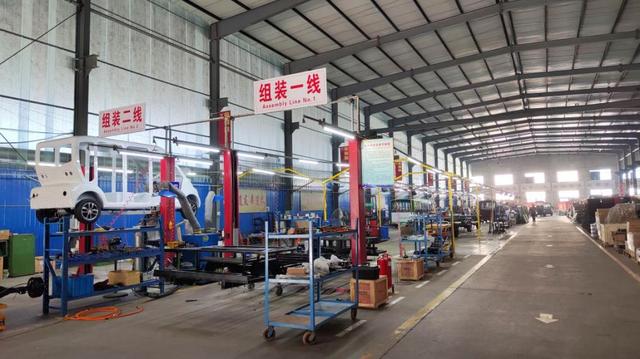
Over the years, GLHF Golf expanded its manufacturing capabilities with advanced production lines, precision assembly workshops, and strict quality control systems. The company continuously improved core technologies such as electric drivetrain efficiency, battery endurance, and vehicle safety performance. At the same time, it developed a diversified product portfolio covering passenger carts, utility carts, and customized fleet solutions for large-scale golf course operations.
Today, Ningbo GLHF Golf Co., Ltd. serves global clients with a strong commitment to innovation, durability, and energy efficiency. With ongoing investment in smart mobility systems and sustainable transportation technologies, the company aims to become a leading international supplier of electric golf cart solutions, delivering high-performance, eco-friendly vehicles for modern golf and leisure industries.
How geographic integration, high-tech components, and logistics optimization build global cost leadership.
Proximity to leading battery manufacturers allows Ningbo GLHF to optimize the interface between the BMS (Battery Management System) and power cells. This integration ensures efficient performance, rapid heating dissipation, and dynamic charge distribution.
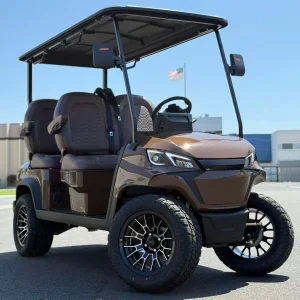
Whether designing tailored seating upholstery like the Kepler premium comfort line or constructing heavy-duty off-road utility configurations, Chinese factories offer modular setups that allow for low-volume, high-mix customization.
Situated near one of the world's busiest deep-water ports, Ningbo GLHF minimizes overland logistics costs and handles export shipping documents efficiently. This proximity reduces transit times to major markets worldwide.
Comparing low-speed vehicle engineering profiles helps fleet managers make informed procurement decisions.
| Drivetrain Feature | 72V High-Output Lithium | 48V Standard Lithium | 48V Traditional Lead-Acid |
|---|---|---|---|
| Typical Lifecycles | > 3,500 full cycles (LiFePO4) | > 3,000 full cycles (LiFePO4) | 500 - 800 cycles |
| Charging Duration | 2.5 - 4 hours (with IP67 rapid chargers) | 3 - 5 hours | 8 - 10 hours (slow saturation charge) |
| Maintenance Overhead | Zero water replenishment, remote BMS tracking | Zero water replenishment | Monthly manual watering, terminal cleaning |
| Vehicle Weight Impact | Saves up to 150kg (improves brake wear & turf strain) | Saves up to 120kg | Heavy lead plates, high wear on suspension |
| Operational Efficiency | Constant voltage output; no drop in performance | Consistent power curve | Sags under load and low charge state |
Exporting electric vehicles requires adhering to localized legal frameworks. To achieve street-legal status as a Low-Speed Vehicle (LSV) in the United States, golf carts must meet the requirements of DOT FMVSS 500. This standard mandates the installation of specific safety features, including three-point seat belts, exterior and interior mirrors, turn signals, windshields made of automotive safety glass, and backup cameras.
In European markets, vehicles must comply with EEC L6e or L7e light quadricycle certifications. This process requires thorough testing of electrical systems, EMC compatibility, and braking systems. Ningbo GLHF partners with regional engineering firms to ensure that exported configurations can be registered for road use immediately upon arrival.
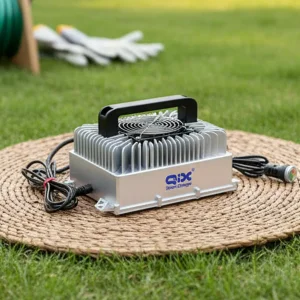
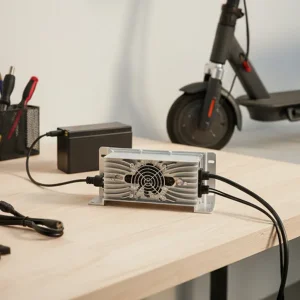
Beyond road-safety rules, battery systems must meet strict electrical certification guidelines. The inclusion of IP67-rated waterproof chargers and traction components ensures that the vehicles operate reliably in coastal resorts, tropical environments, and variable weather conditions. IP67 ingress protection safeguards charging systems against heavy downpours, high humidity, and dust contamination.
Ningbo GLHF’s custom configurations feature lithium cell chemistry that meets UL2580 and UN38.3 transport standards. This compliance ensures safe shipping and simplifies insurance evaluations for commercial operations.
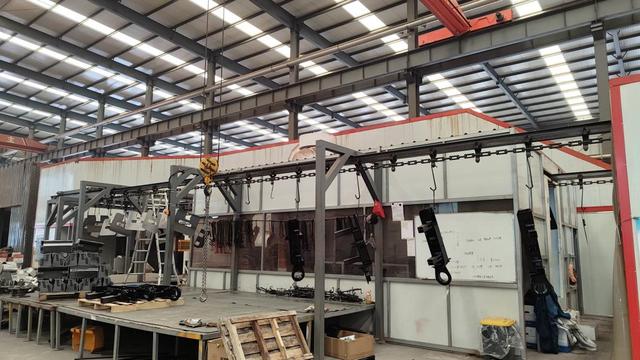
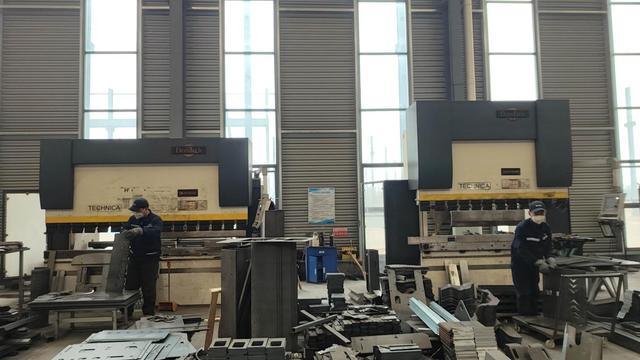
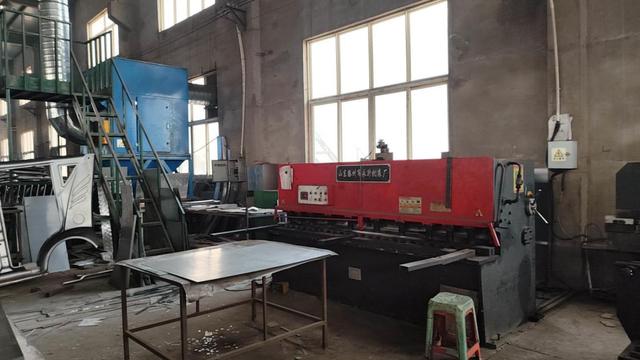
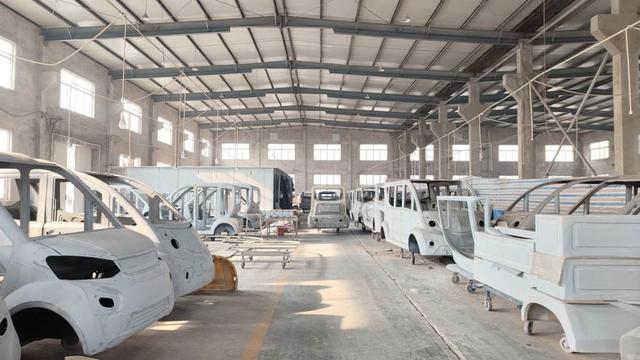
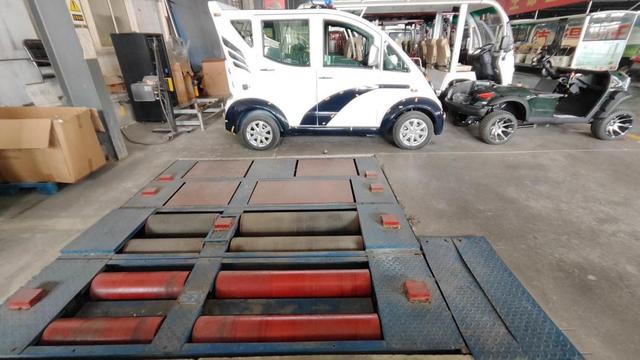
Inside our precision production lines, chassis stress-testing bays, and electronic diagnostic laboratories.
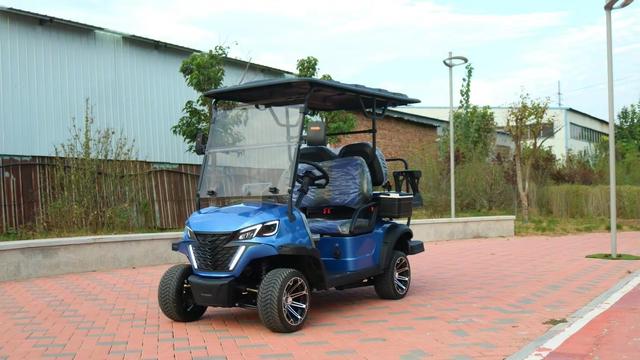
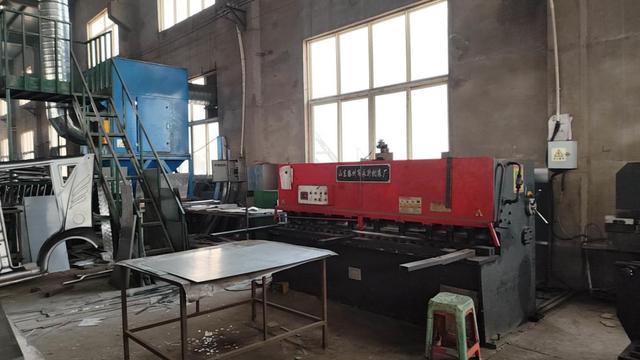
Technological innovations reshaping the landscape of electric utility and leisure transport.
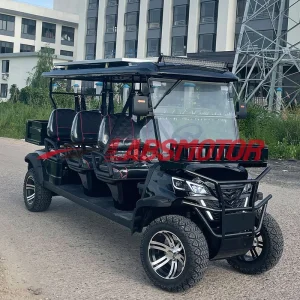
Solar charging system updates, particularly on 6-seater or larger models, utilize canopy-integrated photovoltaic arrays to trickle-charge the battery. In tropical resorts, this integration can extend range by up to 15-20% daily, reducing grid energy consumption.
Modern fleet managers prioritize tracking platforms that monitor battery health, coordinate GPS routing, configure electronic geofences, and provide real-time location tracking. This reduces maintenance costs and prevents unauthorized off-road operation.
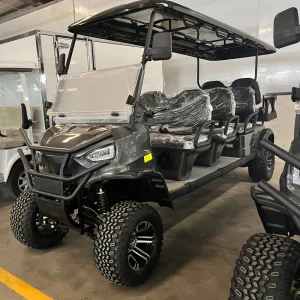
Vehicles designed for steep and variable terrain use 6-axis gyroscope stabilization systems and dual high-torque motors. These components help maintain traction and control on climbs up to 40 degrees, ensuring passenger safety.
Technical and logistical insights for global procurement managers.
A 72V system operates at a higher efficiency, drawing less current (amperage) to deliver equivalent power. This design reduces thermal stress on the motor controller and battery pack, extending their lifespan. It also improves hill-climbing capabilities, supports higher top speeds, and extends overall driving range.
Our export configurations are designed with key FMVSS 500 and EEC L7e requirements in mind. This includes installing certified windshield safety glass, three-point seat belts, backup cameras, turn signal arrays, and high-visibility mirrors. We also assist local importers with the documentation required for registration.
IP67 rating means the electrical enclosure is completely dust-tight and can withstand immersion in water up to 1 meter deep for 30 minutes. For golf carts operating in humid environments, coastal areas, or heavy rain, IP67 protection prevents moisture ingress, which is a common cause of charging and electrical system failures.
While post-delivery customization is possible, factory-integrated tracking systems are recommended. Integrated systems connect directly to the main wiring harness and BMS, allowing remote monitoring of cell balances, charge cycles, and controller diagnostics through a centralized software platform.
Typically, manufacturing takes 25 to 35 days, depending on customization levels. Ocean transit times from Ningbo Port range from 18 to 25 days to the West Coast of North America, and 30 to 45 days to the East Coast and Northern European ports. We secure proper container packaging to prevent corrosion during sea transit.
Explore configurations designed for off-road transport, solar integration, and commercial utility operations.
 GLHF Golf