Explore high-performance electric utility vehicles engineered for extended mileage, solar energy harvesting, and rugged terrains.
How high-capacity powertrains are transforming Low-Speed Vehicles (LSVs) globally.
The global micro-mobility market has entered a transformative era. Golf carts are no longer confined to the standard fairways of country clubs; they have transitioned into multi-functional Low-Speed Vehicles (LSVs) serving massive resorts, off-road residential communities, industrial parks, and zero-emission municipal fleets. As operations scale, the traditional 20-mile limit of standard lead-acid batteries has become a significant bottleneck. This has driven the industry-wide demand for extended-range golf carts.
An extended range is typically defined as a continuous operating capability of 50 to 90+ kilometers (30 to 55+ miles) on a single charge. Achieving this demands advanced battery chemistry, integrated energy harvesting systems (such as high-efficiency monocrystalline solar panels), and highly optimized AC drive motors with regenerative braking systems. For procurement managers, resorts, and commercial facility coordinators, selecting the right partner involves assessing drivetrain configuration, chassis build quality, local compliance, and thermal management safety.
A comparative analytical review of global industry leaders, focusing on manufacturing volume, technological depth, and service footprint.
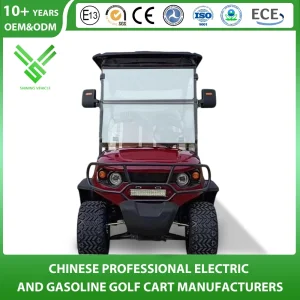
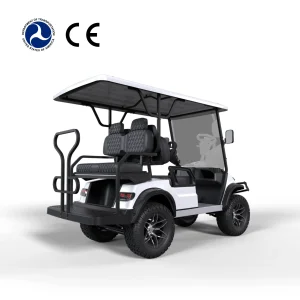
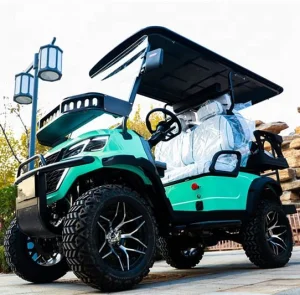
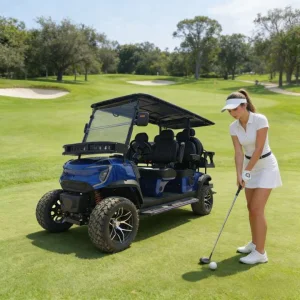
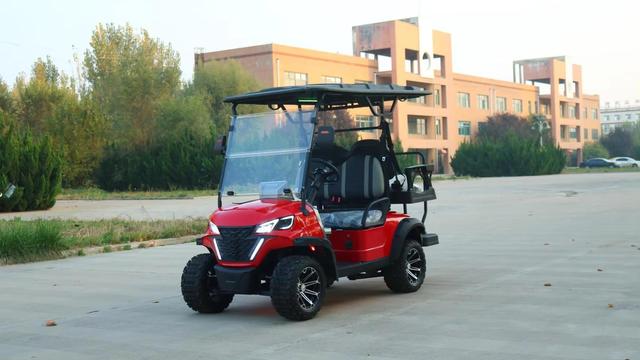
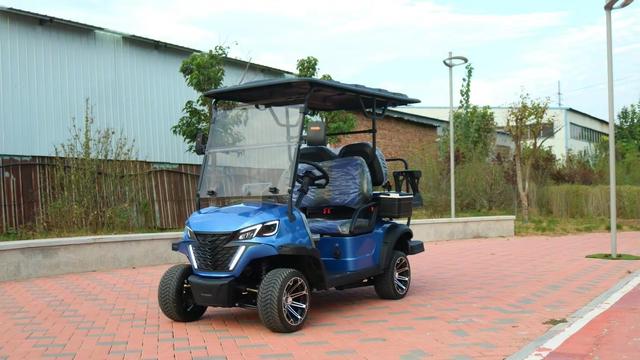
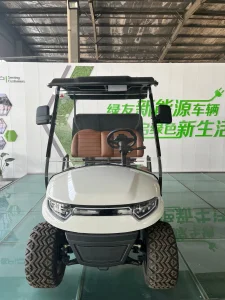
A premier specialist in high-end electric golf course mobility. GLHF is recognized for pioneering solar-hybrid charging architectures, rugged off-road drivetrains, and tailored utility configurations. Operating from a state-of-the-art Chinese manufacturing base, they provide exceptional quality control and customized engineering at global scale.
An industry heavyweight in North America. Club Car is celebrated for its rust-proof aircraft-grade aluminum chassis and high-performance Curtis controller integrations. Their premium fleets feature advanced tracking software and extended-range lithium battery management.
Pioneered the integration of AC motor technology with their ELiTE series. Powered by Samsung SDI lithium cell packs, E-Z-GO vehicles offer sustained power curves and rapid replenishment times, making them a default choice for fast-paced commercial facilities.
Famous for automotive-grade engineering. Yamaha's electric fleet incorporates high-efficiency motors alongside optional solar roof integration. Their focus on passenger comfort, suspension smoothness, and long-range reliability makes them a luxury choice.
A European luxury brand constructing high-end LSVs. Garia specializes in street-legal, custom-tailored vehicles with bespoke lithium integrations. Ideal for luxury residential communities and high-end resorts prioritizing aesthetic prestige alongside range capability.
One of Asia's largest volume exporters. Lvtong relies on massive automated assembly lines to keep production costs competitive. They excel in standard multi-passenger shuttles and basic cargo LSVs exported to North America and Europe.
GEM vehicles are highly engineered street-legal utility carts. Utilizing sophisticated electric platforms, they feature customizable battery range configurations, robust crash safety cabs, and heavy payload cargo frames.
A large-scale electric utility manufacturer. Marshell specializes in diverse models including retro classic designs, sightseeing buses, and industrial material handling platforms with dual battery configurations.
Focuses on affordable sport and hunting LSVs. Offering high-torque motors paired with lithium-ion configurations, HDK is highly popular in rural communities and off-road applications across the Americas.
Rapidly rising due to premium styling and standard inclusions. They integrate large digital dashboards, custom-tuned LiFePO4 packs, and high-efficiency drivetrains to offer street-legal solutions with extended ranges.
The convergence of next-gen energy harvesting, digital drivetrain controls, and structural lightweighting.
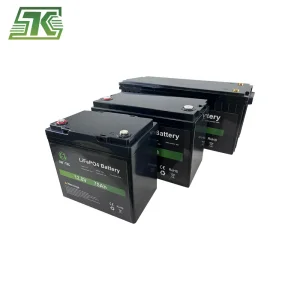
The industry is fully pivoting from traditional flood/AGM lead-acid configurations to Lithium Iron Phosphate (LiFePO4) and emerging Solid-State technologies. LiFePO4 chemistry remains the benchmark for commercial deployments because of its structural safety: it resists thermal runaway even under high physical impacts or extreme ambient heat. In the future, solid-state batteries will introduce a 30% reduction in curb weight with twice the energy density, pushing range capabilities beyond 120km.
Real-world range extension relies heavily on harvesting ambient energy. High-efficiency monocrystalline solar roofs (typically generating 150W-300W) act as trickle-chargers. When parked under daylight conditions, these systems restore 8-15km of driving range daily. This is supplemented by high-frequency generative braking controllers that recapture kinetic energy during descents and deceleration, converting up to 30% of lost power back into the battery array.
Modern extended-range fleets feature IoT-connected Smart BMS platforms. Telematics units track cell balancing, internal resistance, state-of-health (SoH), and real-time battery temperatures. Fleet managers receive diagnostic warnings before faults happen, enabling proactive maintenance cycles and minimizing downtime in resort operations.
Tailoring extended-range electric mobility for diverse global enterprise sectors.
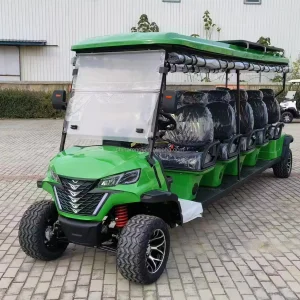
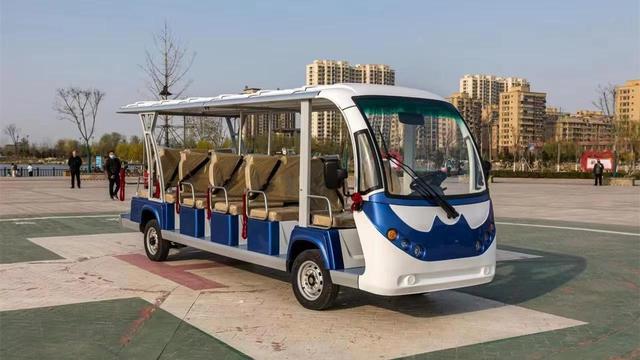
Multi-passenger shuttles (up to 10 seaters) must run reliably throughout a full 16-hour guest hospitality shift. High-capacity battery architectures paired with solar roofs eliminate midday charging windows, protecting guest transfer times and maintaining zero tailpipe emission zones within eco-resorts.
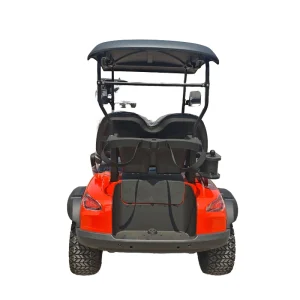
Equipped with heavy-duty aluminum or reinforced steel cargo beds, electric utility carts are required to transport cargo across large industrial sites. An extended battery range ensures these vehicles can carry heavy payloads uphill without suffering voltage drops or overheating the AC induction motor.
Street-legal low-speed vehicles (LSVs) require long range, high-visibility LED illumination, seatbelts, and weather-proof cabin enclosures. Extended-range capabilities turn these golf carts into practical daily commuters for modern smart cities.
Why leading global exporters rely on integrated industrial hubs to manufacture reliable low-speed electric vehicles.
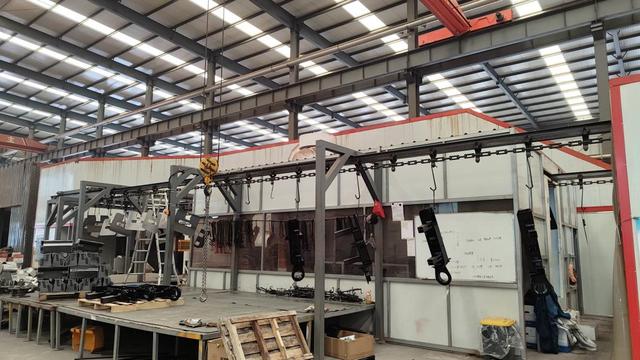
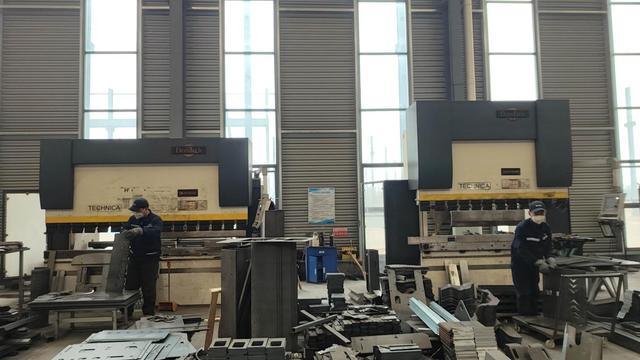
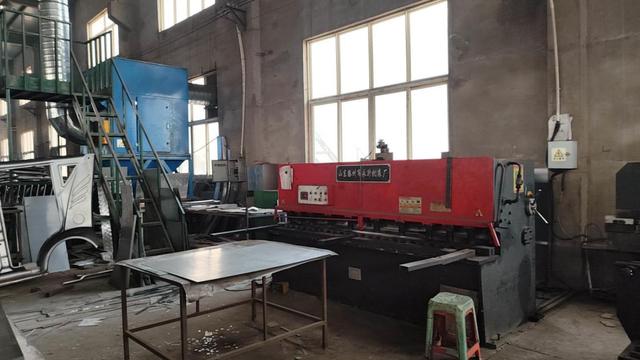
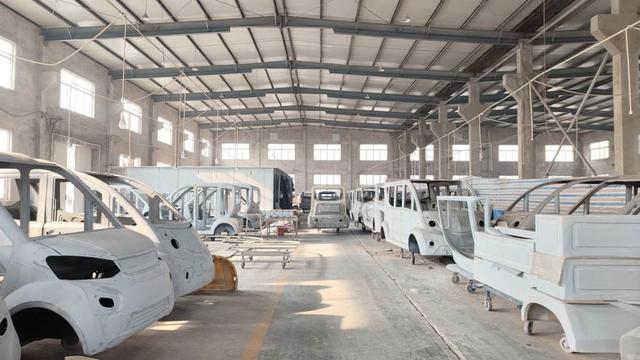
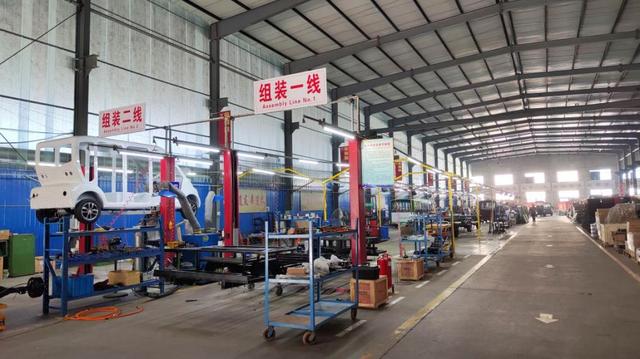
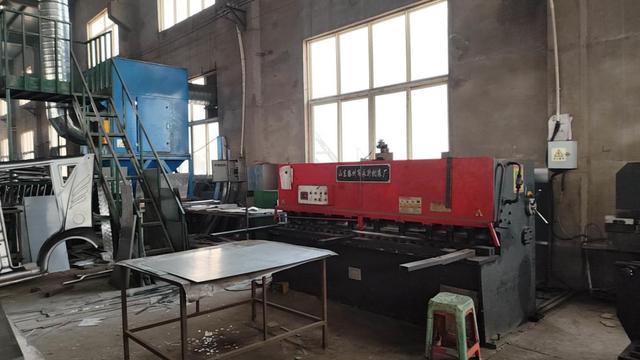
The concentration of raw material sourcing, battery chemistry development, and precision metallurgy in China has made it the primary hub for electric vehicle manufacturing. Specialized hubs, such as Ningbo, offer access to advanced tooling, automated steel/aluminum fabrication, and direct international shipping ports. This infrastructure allows companies to scale up production while maintaining rigorous QC protocols.
Ningbo GLHF Golf Co., Ltd. is a professional manufacturer specializing in electric golf carts and golf course mobility solutions. The company focuses on the design, development, and production of lithium and lead-acid battery-powered golf vehicles, providing reliable transportation solutions for golf courses, resorts, residential communities, hotels, and commercial facilities worldwide.
Since its establishment, GLHF Golf has built a strong foundation in electric mobility engineering and golf industry applications. In its early stage, the company concentrated on assembling basic lead-acid battery golf carts for domestic markets, gradually gaining experience in vehicle structure optimization and battery management systems. As demand for cleaner and more efficient energy solutions increased, the company entered a rapid development phase, introducing lithium battery technologies and upgrading its product line to meet international standards.
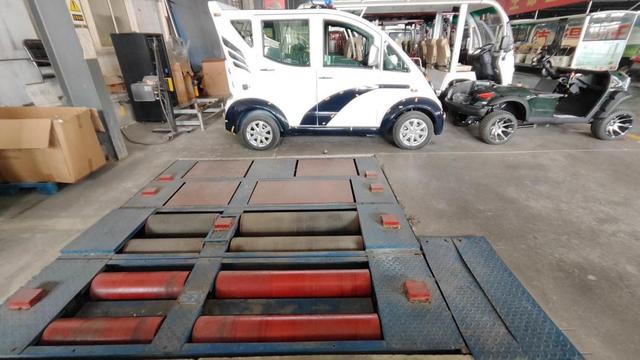
Over the years, GLHF Golf expanded its manufacturing capabilities with advanced production lines, precision assembly workshops, and strict quality control systems. The company continuously improved core technologies such as electric drivetrain efficiency, battery endurance, and vehicle safety performance. At the same time, it developed a diversified product portfolio covering passenger carts, utility carts, and customized fleet solutions for large-scale golf course operations.
Today, Ningbo GLHF Golf Co., Ltd. serves global clients with a strong commitment to innovation, durability, and energy efficiency. With ongoing investment in smart mobility systems and sustainable transportation technologies, the company aims to become a leading international supplier of electric golf cart solutions, delivering high-performance, eco-friendly vehicles for modern golf and leisure industries.
Navigating the complex landscape of international LSV import regulations and after-sales service.
Exporting electric vehicles globally requires meeting strict local safety standards. A quality cart must be certified for its intended deployment market:
In addition to compliance, a reliable supply chain for spare parts is essential. High-quality manufacturers ensure that controllers, replacement steering linkages, and battery cells are readily available to local service networks, minimizing downtime for resort and commercial fleets.
Answers to key questions that purchasing managers face during fleet upgrades.
LiFePO4 batteries deliver consistent voltage throughout their entire discharge cycle, meaning the vehicle will not lose torque or acceleration as the battery drains. They last between 3,000 to 5,000 charge cycles, compared to just 500 cycles for lead-acid batteries. Additionally, they require no maintenance, do not need water top-offs, and reduce the overall vehicle weight by approximately 300 lbs (136 kg), leading to less wear on tires and suspension components.
Under optimal sunlight conditions, a 200W-300W monocrystalline solar roof panel can generate enough power to extend the driving range by 8 to 15 kilometers (5 to 9 miles) per day. For resorts, this extra power serves as a continuous trickle charge, keeping the battery topped up during outdoor parking and reducing grid electricity costs.
High-quality manufacturers typically offer a 3 to 5-year warranty on the lithium battery pack, a 2-year warranty on the chassis, motor, and controller, and a 1-year limited warranty on components like lights and tires. Ensure your manufacturer provides direct diagnostic support and replacement parts to your local dealer network.
Yes, provided the manufacturer configures the vehicle with the necessary safety features. For the US market, this includes speed limits set at 25 mph, seatbelts, high-visibility lights, mirrors, and DOT-certified windshields. For the European market, the vehicle must be supplied with an EEC Certificate of Conformity (CoC) to allow for registration as an L7e quadricycle.
Heavy-duty transport solutions, utility accessories, and environmental support platforms for commercial estates.
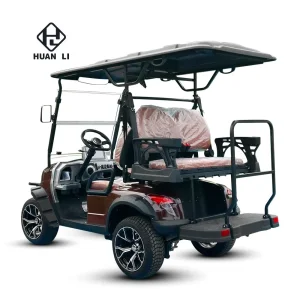
 GLHF Golf