Premium utility machinery engineered for commercial operations, energy efficiency, and operational excellence.
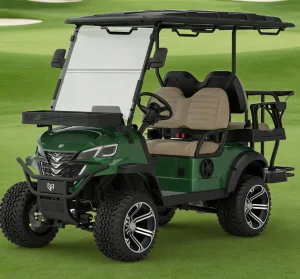

Understanding the transition from traditional combustion drivetrains to specialized electric utility systems.
Global environmental protocols and regional regulations, such as the EU's Green Deal and the US EPA targets, are forcing heavy-duty transport operators in factories, shipyards, and large-scale resorts to seek carbon-neutral mobility solutions. Heavy-duty electric carts have shifted from optional facility assets to primary operational requirements.
Electric carts deliver dramatic operational cost advantages. Fuel consumption savings coupled with drastically simplified drivetrain upkeep (no oil changes, spark plugs, or catalytic converters) offset initial procurement premiums within 18 to 24 months. Over a 7-year service lifespan, electric powertrains reduce maintenance overheads by up to 60%.
Leveraging high-torque AC brushless motors, intelligent CAN-bus communication controllers, and high-density LiFePO4 batteries, heavy-duty industrial electric carts now easily outperform traditional combustion engines in terms of instantaneous torque delivery, low-speed load-bearing start-up control, and terrain-climbing performance.
Pioneering Electric Golf Carts and Heavy-Duty Facility Transportation Systems Worldwide
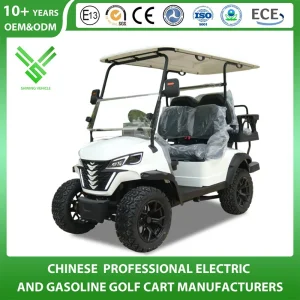
Ningbo GLHF Golf Co., Ltd. is a professional manufacturer specializing in electric golf carts and golf course mobility solutions. The company focuses on the design, development, and production of lithium and lead-acid battery-powered golf vehicles, providing reliable transportation solutions for golf courses, resorts, residential communities, hotels, and commercial facilities worldwide.
Since its establishment, GLHF Golf has built a strong foundation in electric mobility engineering and golf industry applications. In its early stage, the company concentrated on assembling basic lead-acid battery golf carts for domestic markets, gradually gaining experience in vehicle structure optimization and battery management systems. As demand for cleaner and more efficient energy solutions increased, the company entered a rapid development phase, introducing lithium battery technologies and upgrading its product line to meet international standards.
Over the years, GLHF Golf expanded its manufacturing capabilities with advanced production lines, precision assembly workshops, and strict quality control systems. The company continuously improved core technologies such as electric drivetrain efficiency, battery endurance, and vehicle safety performance. At the same time, it developed a diversified product portfolio covering passenger carts, utility carts, and customized fleet solutions for large-scale golf course operations.
Today, Ningbo GLHF Golf Co., Ltd. serves global clients with a strong commitment to innovation, durability, and energy efficiency. With ongoing investment in smart mobility systems and sustainable transportation technologies, the company aims to become a leading international supplier of electric golf cart solutions, delivering high-performance, eco-friendly vehicles for modern golf and leisure industries.
Key technical parameters that determine reliability, duty cycles, and safety in heavy industrial environments.
For heavy cargo applications, standard DC motors are insufficient. Procurement officers must specify Brushless AC Motors (ranging from 4kW to 7.5kW) paired with recognized speed control controllers such as Curtis Controller systems. AC motors ensure regenerative braking efficiency, enabling downhill deceleration energy to charge the batteries, thereby extending duty cycles.
The standard choice is now LiFePO4 (Lithium Iron Phosphate) due to its thermal stability, safety profile, and high lifespan (over 3000-4000 full charging cycles at 80% DoD). Compared to conventional lead-acid battery packs, lithium chemistry drops vehicle mass by 60%, boasts higher discharge current capabilities, and requires zero fluid level maintenance.
Heavy-duty cargo carts operating in marine terminals or chemical factories need specialized structural coating. Manufacturers must construct high-tensile structural steel frames treated with hot-dip galvanizing or electrophoretic powder coatings. This prevents oxidation and chassis cracks caused by moisture, salt, and abrasive materials.
How distinct commercial sectors deploy advanced heavy-duty electric cart configurations.
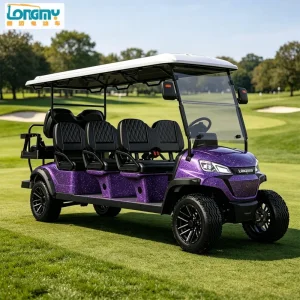
Deploying 4, 6, and 8-passenger legal transit vehicles. Integrated solar panels increase continuous runtime, mitigating midday grid charging demands during peak visitor hours.
Utilizing high-torque cargo deck variants to haul spare components, heavy assembly molds, and tooling across indoor production lines where air quality is critical.
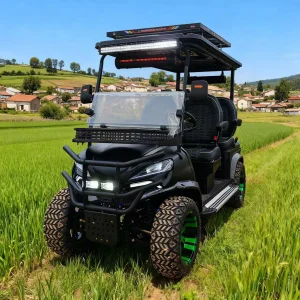
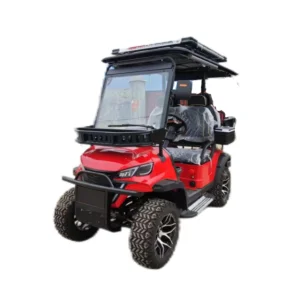
Elevated off-road carts with rugged suspension systems, hydraulic disc brakes on all four corners, and high-voltage (72V) drive lines designed for variable terrain and hunting fields.
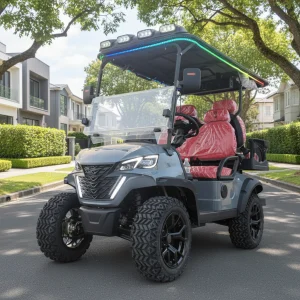
Implementing solar canopy collectors directly linked to high-efficiency battery management systems (BMS) to achieve near carbon-neutral micro-mobility networks.
Where heavy-duty industrial utility carts are heading in the next five years.
Modern fleets are moving toward intelligent telemetry units. Managers can track cart positioning via GPS, monitor real-time battery cell health (BMS data), limit speeds via geofencing in crowded zones, and pre-program service alarms to minimize unexpected downtime.
By using flexible, high-efficiency monocrystalline solar panels built directly into the cart roof, vehicles continuously harvest solar power while parked or in motion. This offset provides 10-15 kilometers of free daily range, reducing grid reliance.
Closed-campus heavy transport carts are transitioning toward LiDAR and camera-guided autonomous driving systems. These self-driving industrial carts move cargo along pre-defined factory corridors without requiring a human driver.
Navigating international regulatory frameworks to ensure smooth procurement and risk mitigation.
For street-legal transit, carts must feature specific equipment: DOT-approved tires, three-point seat belts, safety glass windshields, side-view mirrors, dynamic turn signals, and a horn. Low-Speed Vehicle (LSV) compliance permits driving on public roads with speeds up to 25 mph (40 km/h) in various countries.
Heavy duty factories require ISO 9001 certified manufacturing plants to ensure repeatability and assembly consistency. In Europe, CE certifications verify that electrical componentry, motor controllers, and onboard charging systems comply with regional electromagnetic compatibility and safety regulations.
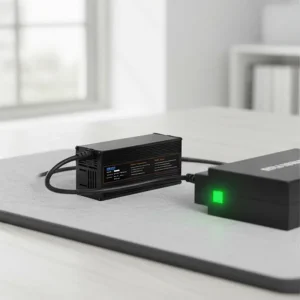
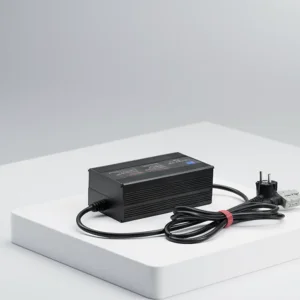
Lithium battery packs must hold UN38.3 certification for transport safety, and charger networks must be certified by laboratories (e.g., UL, TUV, or KC). This ensures proper heat dissipation, short-circuit containment, and overcurrent shutoffs to eliminate fire hazards.
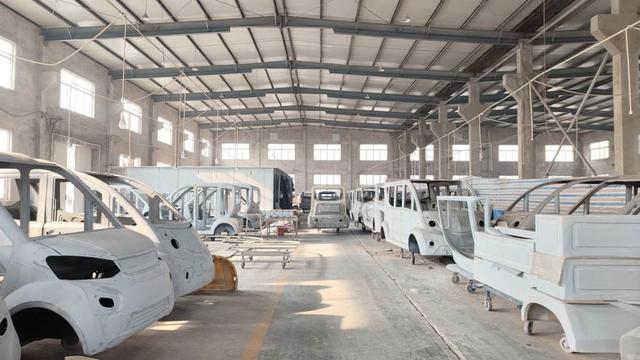
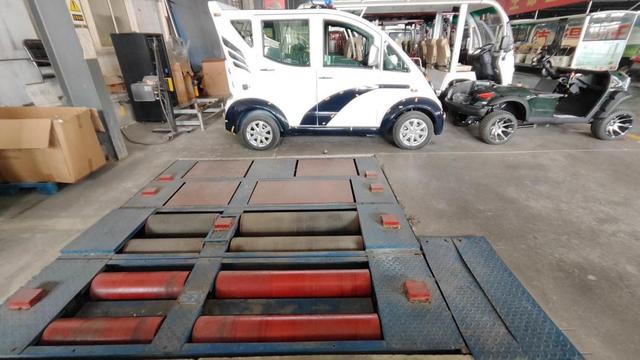
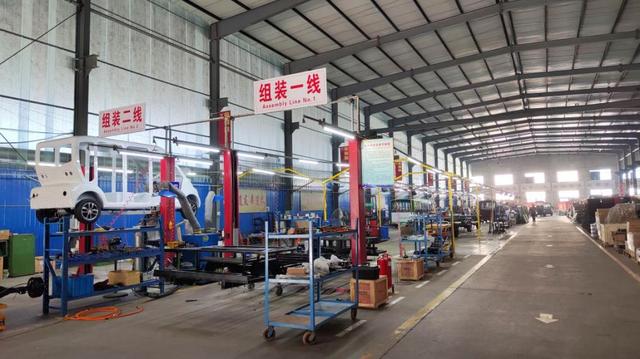
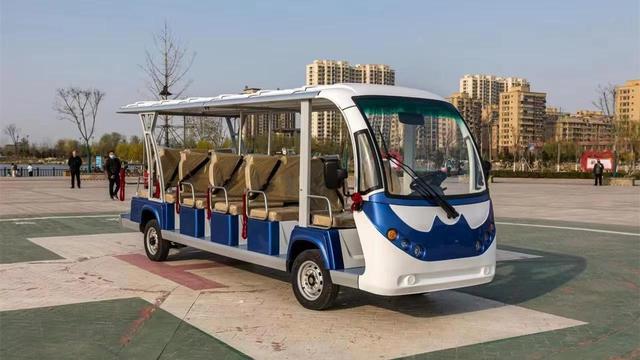
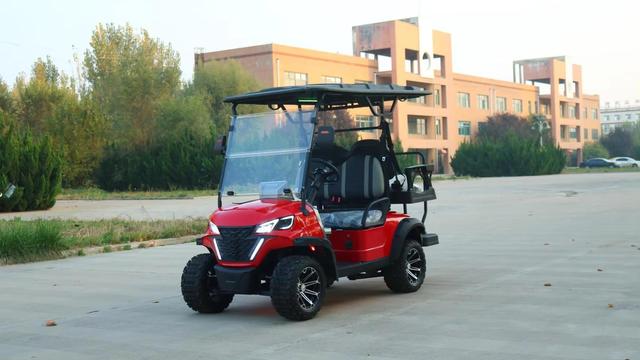
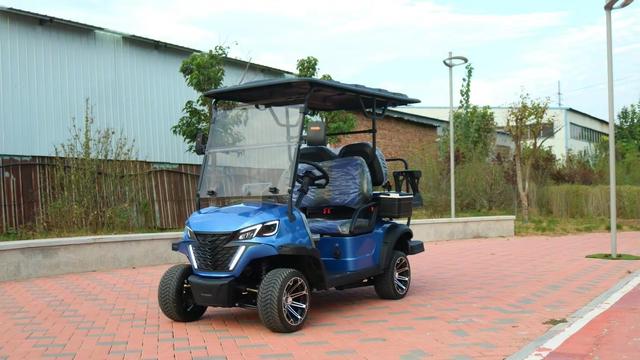
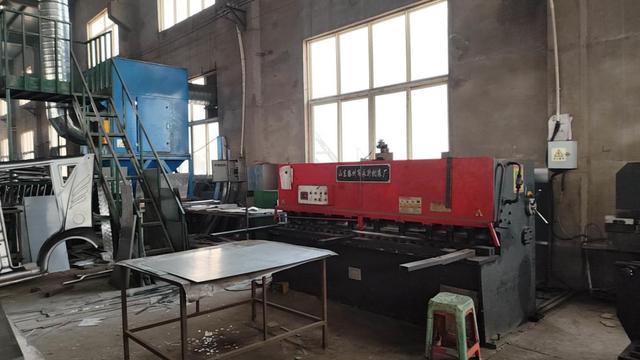
Experience our advanced production lines, precision frame construction, and strict quality verification processes.
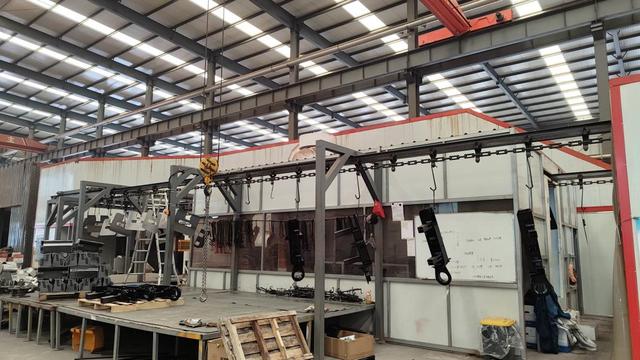
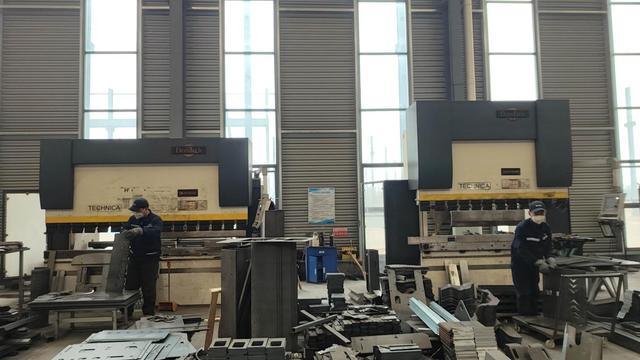
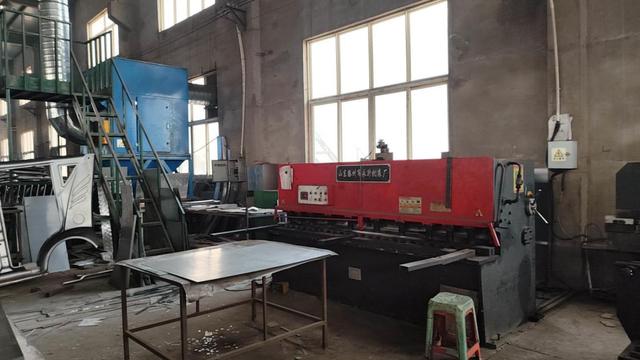
Addressing technical concerns, battery configuration, and performance characteristics for international procurement teams.
A: LiFePO4 lithium batteries outperform lead-acid cells across several key areas:
1. Lifespan: Lithium batteries last 3,000 to 5,000 cycles, compared to just 500 to 800 cycles for lead-acid batteries.
2. Weight reduction: Lithium batteries are roughly 60% lighter, which improves vehicle efficiency and reduces strain on the suspension.
3. Charging speed: Lithium packs support high-current charging, allowing them to reach full capacity in 2-3 hours instead of the 8-10 hours needed for lead-acid.
4. Efficiency: Lithium batteries provide steady power discharge even as their capacity drops, maintaining vehicle speed and torque on inclines.
A: No, integrated solar panels are designed as range extenders rather than primary power sources. A typical onboard solar canopy generates enough power under standard sunlight to add 10 to 15 kilometers of range per day. This extends the daily run time, reduces structural grid costs, and helps keep the battery at a higher state of charge. However, vehicles still need to connect to high-power smart chargers for rapid replenishment during overnight down-time.
A: Curtis Controllers are highly regarded for their precise motor control algorithms, excellent thermal management, and proven reliability in rugged environments. They enable smooth acceleration, manage active regenerative braking, and protect the motor from voltage surges or over-current conditions. Additionally, their standardized diagnostics allow technicians to quickly scan, troubleshoot, and calibrate vehicle behavior using handheld programmers.
A: To qualify as a Low-Speed Vehicle (LSV) or meet regional street-legal rules, the electric vehicle must have:
- DOT or EEC-certified safety glass windshields.
- Three-point seatbelts.
- Front, rear, and side lighting, including brake lights, turn signals, and reflectors.
- Exterior mirrors on the driver and passenger sides.
- A vehicle identification number (VIN) and a maximum speed capped at 25 mph (40 km/h) for urban street use.
A: Steep terrain significantly increases the motor's power draw. Standard 48V drivetrains may overheat during extended climbs under load. For hilly courses or heavy hauling, we recommend a 72V system with a 7kW AC motor. These high-voltage systems draw lower current for the same power output, reducing heat generation. High-efficiency motor controllers also use advanced thermal rollback features to prevent damage from overheating on long climbs.
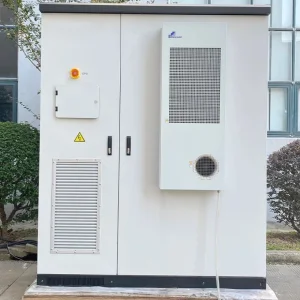
Discover our advanced lithium buggies, high-torque utility vehicles, and modular battery systems.

 GLHF Golf