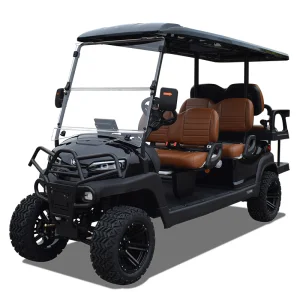
Explore our top-tier electric configurations engineered with cutting-edge lithium systems, off-road capabilities, and customizable passenger configurations.
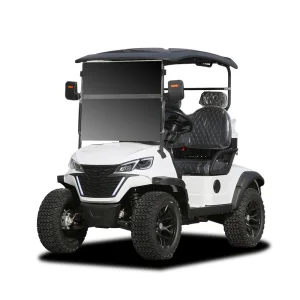
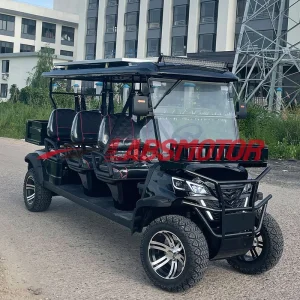
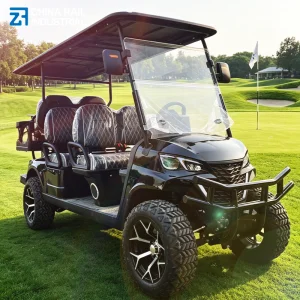
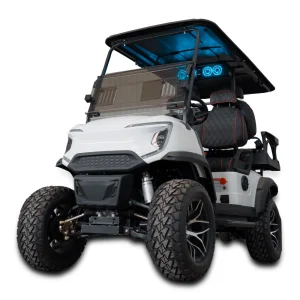
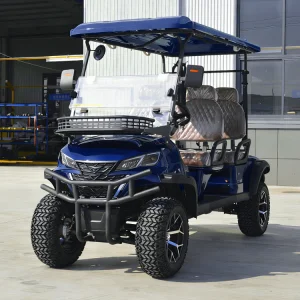
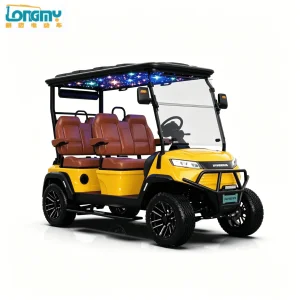
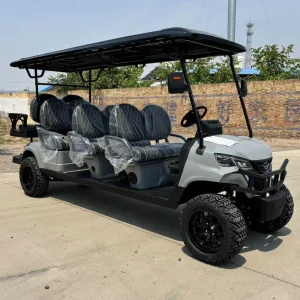
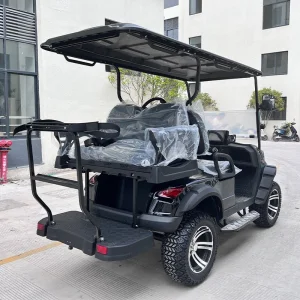
The micro-mobility landscape is evolving from low-end utility buggies to sophisticated low-speed electric vehicles (LSVs) integrated with smart ecosystems.
Traditional lead-acid batteries are rapidly disappearing. Modern luxury commercial fleets now demand Lithium Iron Phosphate (LiFePO4) chemistry, which offers over 3,500 charging cycles, integrated Smart BMS telemetry, zero maintenance, and lightweight profiles that reduce terrain compaction.
By transitioning from DC motors to high-efficiency AC induction or PMSM (Permanent Magnet Synchronous Motors), manufacturers achieve up to 95% efficiency. This allows for steep hill-climbing (up to 40 degrees) and consistent performance across diverse elevations.
Global regulators demand strict safety features for street alignment. High-end passenger fleets now standardise features such as four-wheel hydraulic disc brakes, laminated safety glass windshields, three-point harness seatbelts, and comprehensive DOT/EEC-certified LED lighting systems.
Industrial procurement departments, real estate developers, and resort logistics managers face high demands when sourcing micro-mobility assets. Beyond basic aesthetics, structural durability and technical reliability directly affect the Total Cost of Ownership (TCO) and fleet ROI. Professional buyers focus on specific criteria to minimize downtime and simplify fleet operations:
Procurement teams need versatile designs that allow quick conversions between passenger seating (2, 4, 6, 8 seats) and cargo or utility configurations. Interchangeable rear seats facilitate transitions from guest transport to utility or maintenance roles.
Standardized components, such as Curtis or Toyota motor controllers, standard off-road tire sizes, and modular suspension systems, help reduce fleet downtime by ensuring spare parts are easy to source locally.
For coastal resorts and high-humidity facilities, vehicles require hot-dip galvanized steel or rust-free aluminum alloy frames. Electrocoating (e-coat) paint systems help prevent corrosion from salt air and moisture.
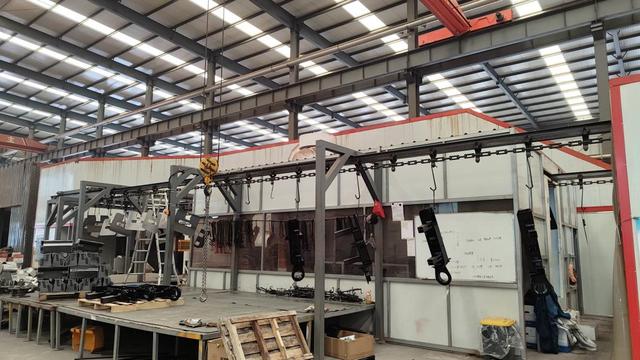
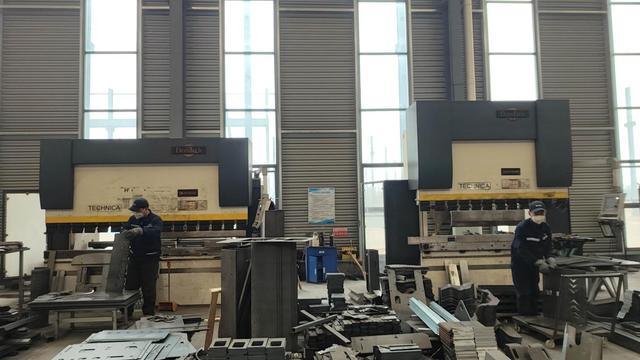
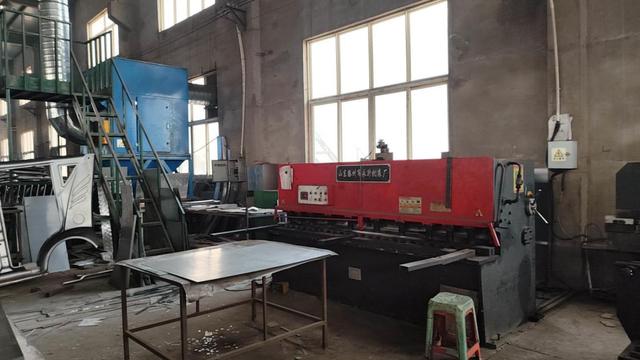
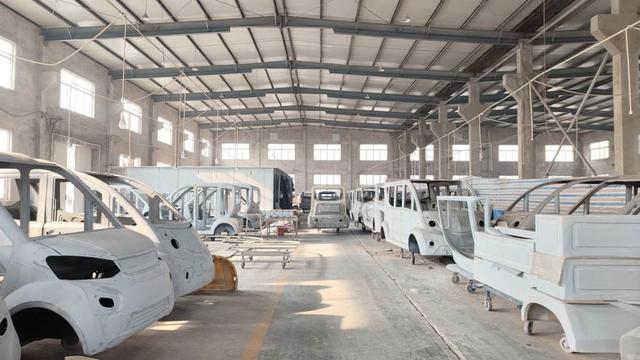
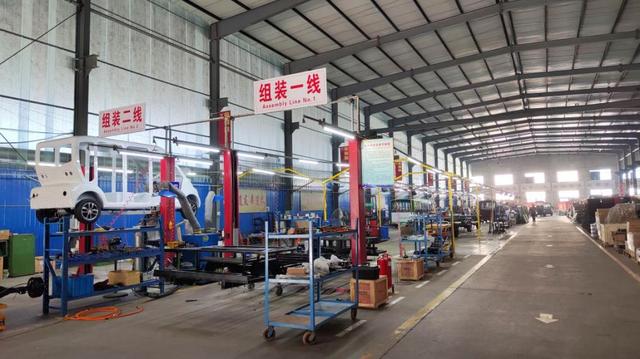
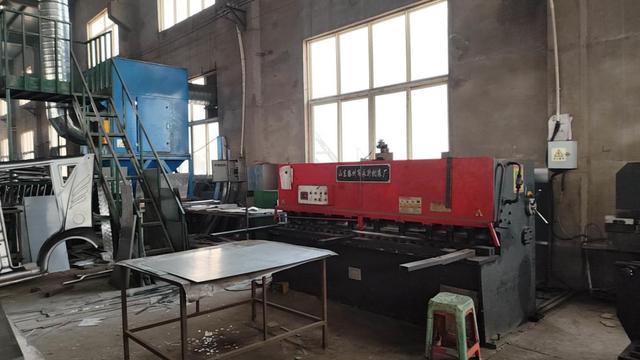
By leveraging automated robotic assembly, strict quality testing, and direct port logistics, modern factories provide reliable supply chain solutions for global fleet procurement.
Computer-controlled robotic welding stations and automated assembly lines ensure consistent structural integrity and tight tolerances for every chassis and frame produced.
Proximity to raw materials and specialized component suppliers, including electric motor manufacturers and smart controllers, enables agile production cycles and flexible customization.
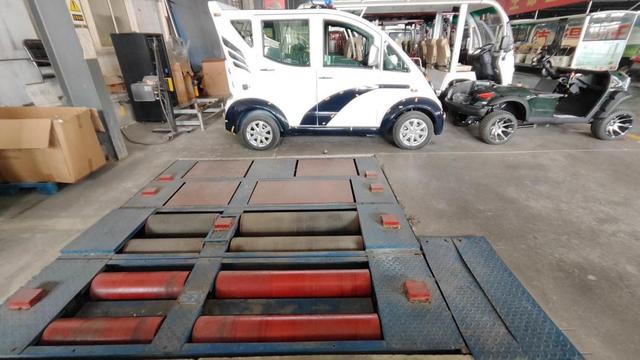
Every batch undergoes performance testing, including salt-spray chamber trials, chassis load stress analysis, steep ramp climbing checks, and rainfall simulations to verify electrical insulation.
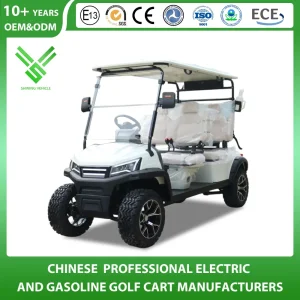
A professional manufacturer specializing in electric golf carts and low-speed vehicle mobility solutions for international markets.
Ningbo GLHF Golf Co., Ltd. is a professional manufacturer specializing in electric golf carts and golf course mobility solutions. The company focuses on the design, development, and production of lithium and lead-acid battery-powered golf vehicles, providing reliable transportation solutions for golf courses, resorts, residential communities, hotels, and commercial facilities worldwide.
Since its establishment, GLHF Golf has built a strong foundation in electric mobility engineering and golf industry applications. In its early stage, the company concentrated on assembling basic lead-acid battery golf carts for domestic markets, gradually gaining experience in vehicle structure optimization and battery management systems. As demand for cleaner and more efficient energy solutions increased, the company entered a rapid development phase, introducing lithium battery technologies and upgrading its product line to meet international standards.
Over the years, GLHF Golf expanded its manufacturing capabilities with advanced production lines, precision assembly workshops, and strict quality control systems. The company continuously improved core technologies such as electric drivetrain efficiency, battery endurance, and vehicle safety performance. At the same time, it developed a diversified product portfolio covering passenger carts, utility carts, and customized fleet solutions for large-scale golf course operations.
Today, Ningbo GLHF Golf Co., Ltd. serves global clients with a strong commitment to innovation, durability, and energy efficiency. With ongoing investment in smart mobility systems and sustainable transportation technologies, the company aims to become a leading international supplier of electric golf cart solutions, delivering high-performance, eco-friendly vehicles for modern golf and leisure industries.
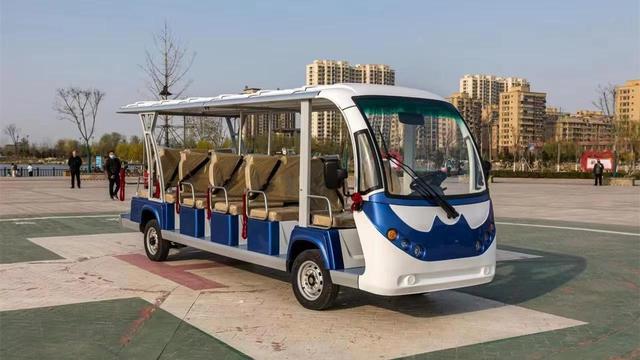
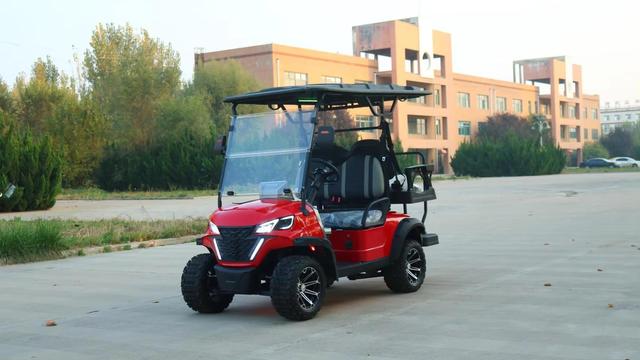
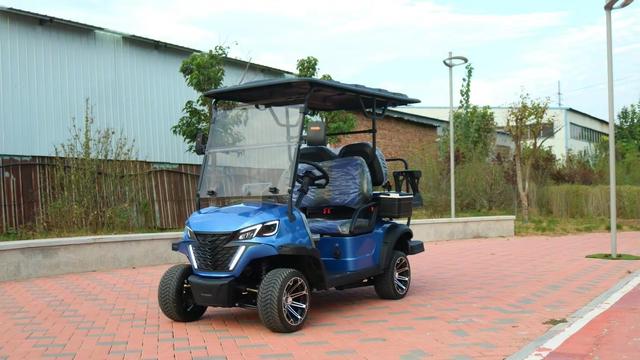
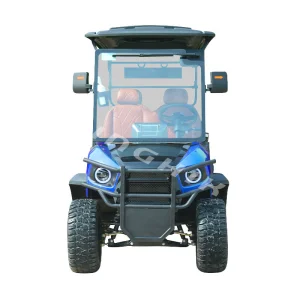
From flat resort terrains to demanding off-road trails, our premium passenger vehicles are optimized for diverse applications.
For high-end hotels, eco-resorts, and private islands, passenger comfort is paramount. Electric golf carts provide smooth, quiet transportation. Custom options like leather seats, premium sound systems, and quiet operation help create a high-quality guest experience.
Airports, exhibition halls, and corporate campuses rely on multi-passenger shuttles to transport guests and equipment over long distances. High-performance batteries ensure dependable multi-shift operation with minimal charging breaks.
Many private neighborhoods, retirement communities, and golf villages encourage the use of low-speed vehicles (LSVs) for local travel. Street-legal packages help residents transition away from gasoline-powered vehicles for short daily trips.
Technical information to assist in planning procurement, integration, and logistics for your electric golf cart fleet.
Lithium Iron Phosphate (LiFePO4) batteries offer substantial benefits over lead-acid batteries for commercial operations. They have an average lifetime of 3,500+ cycles at 80% Depth of Discharge (DoD), compared to about 500 cycles for lead-acid. This reduces replacement costs over the life of the vehicle. Additionally, LiFePO4 batteries are lighter, require zero water maintenance, and support rapid charging, allowing for opportunity charging during operational downtime.
To qualify as a street-legal Low-Speed Vehicle (LSV) in regions like North America (under FMVSS 500 regulations) or Europe (under L7e rules), vehicles must be equipped with specific safety features. These include three-point seatbelts, automotive-grade windshields, functional turn signals, headlights, brake lights, rear-view mirrors, a vehicle identification number (VIN), and a speed limiter set to a maximum of 25 mph (approx. 40 km/h).
B2B fleet purchases offer significant customization flexibility. Manufacturers can configure seat capacity (2, 4, 6, or 8 seats), chassis heights (standard vs. lifted), motor configurations (high-torque AC for hilly areas), custom branding (logos and specific pantone colors), and functional upgrades such as canopy-integrated solar panels, heavy-duty cargo boxes, and rain enclosures.
A higher voltage system, such as a 72V configuration, draws less current to produce the same power output as a 48V system. This reduces heat generation and helps prolong the life of electric motors and electronic controllers. Practically, 72V systems provide better acceleration, stronger hill-climbing torque, and longer ranges, making them suitable for challenging terrains or heavier passenger loads.
Lithium battery shipping is governed by strict international maritime regulations, specifically UN 3480 for lithium-ion batteries. All vehicles containing lithium batteries are packed, labeled, and shipped using certified hazard containment packaging. Factories coordinate with certified shipping agents to verify MSDS, UN38.3 test summaries, and compliance paperwork are in order for smooth customs clearance at global ports.
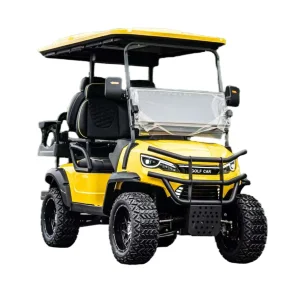
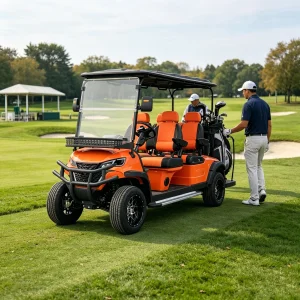
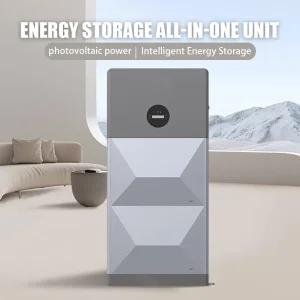
Explore our specialty selection of heavy-duty utility vehicles, solar integration systems, and high-capacity passenger options.

 GLHF Golf