Engineered for ultimate reliability under intense tropical solar radiation, high relative humidity, and salt-laden ocean air.
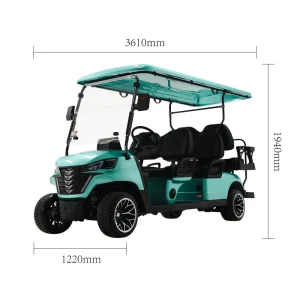
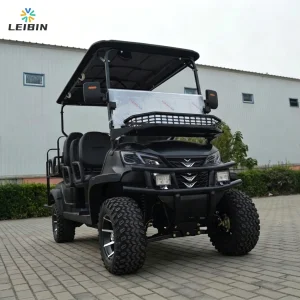
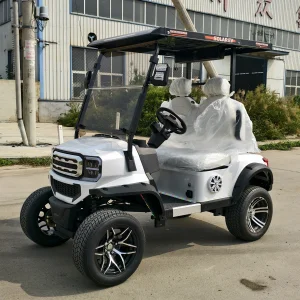
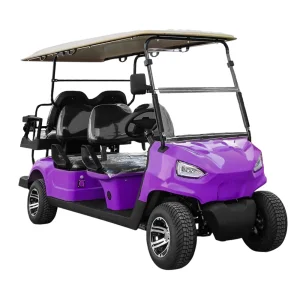
In an era of rising energy costs and urgent environmental mandates, Fiji's commercial hubs and luxury eco-resorts are phasing out traditional petrol-driven buggies and unassisted lead-acid electric vehicles in favor of integrated photovoltaic drivetrains.
Fiji's geographic fragmentation creates a significant challenge for traditional energy logistics. Tourism hotspots in the Mamanuca and Yasawa Island Groups, along with residential and golf enclaves in Denarau, are highly exposed to volatile imported fuel prices. Standard grid electricity in Fiji is largely generated from diesel imports, leading to high utility tariffs (exceeding $0.40 FJD per kWh in many remote microgrids). Implementing solar-assisted golf carts bypasses these grid costs entirely, using Fiji's abundant solar irradiance (averaging 5 to 6 kWh/m² per day) to provide continuous, zero-emission trickle-charging during daylight hours.
By transforming every cart's roof space into a localized generator, fleet operators significantly reduce their peak grid consumption, decrease generator runtime on off-grid private islands, and directly contribute to Fiji's National Green Growth Framework.
Fiji’s primary economic driver—ultra-luxury eco-tourism—demands silent, zero-emission operations. Traditional internal combustion engines cause noise and exhaust emissions that disrupt the natural tranquility expected by resort guests. Standard electric carts require frequent overnight charging, drawing power from diesel-backed island grids. Solar-assisted carts provide an elegant solution: they operate silently, harness clean solar energy directly on-site, and extend operational runtime without requiring midday plug-in stops.
How advanced photovoltaic cell chemistry, smart Maximum Power Point Tracking (MPPT) charge controllers, and specialized Lithium Iron Phosphate (LiFePO4) batteries combine to deliver reliable off-grid utility vehicles.
Using aerospace-grade, high-transmission tempered glass solar modules that maximize light capture even on cloudy or overcast days typical of tropical weather fronts.
Advanced Maximum Power Point Tracking (MPPT) controllers continuously optimize solar voltage to match battery capacity, ensuring maximum power transfer in changing light.
LiFePO4 battery chemistries outperform traditional lead-acid batteries, providing over a decade of daily charge cycles in high-temperature environments.
Operating in coastal Fiji presents unique challenges due to humid, saline air. Standard steel frames degrade rapidly under these conditions. Premium solar carts address this with hot-dip galvanized steel or aircraft-grade aluminum alloy structural frames, coated with high-durability automotive-grade electrophoretic primers. This protects critical suspension components, motor housings, and wiring harnesses from premature oxidation, ensuring a long operational service life in coastal environments.
Request a customized fleet simulation and energy audit tailored for your specific Fijian resort or commercial site.
Send Inquiry NowNingbo GLHF Golf Co., Ltd. is a professional manufacturer specializing in electric golf carts and golf course mobility solutions. The company focuses on the design, development, and production of lithium and lead-acid battery-powered golf vehicles, providing reliable transportation solutions for golf courses, resorts, residential communities, hotels, and commercial facilities worldwide.
Since its establishment, GLHF Golf has built a strong foundation in electric mobility engineering and golf industry applications. In its early stage, the company concentrated on assembling basic lead-acid battery golf carts for domestic markets, gradually gaining experience in vehicle structure optimization and battery management systems. As demand for cleaner and more efficient energy solutions increased, the company entered a rapid development phase, introducing lithium battery technologies and upgrading its product line to meet international standards.
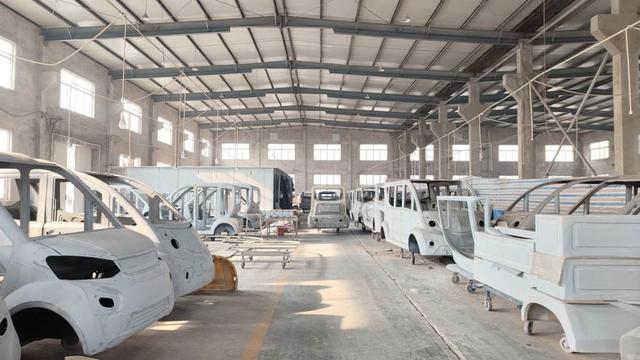
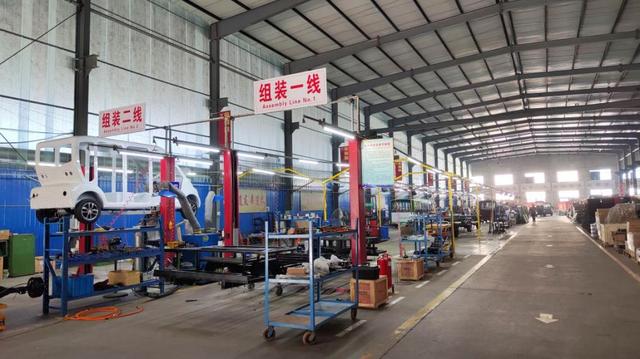
Over the years, GLHF Golf expanded its manufacturing capabilities with advanced production lines, precision assembly workshops, and strict quality control systems. The company continuously improved core technologies such as electric drivetrain efficiency, battery endurance, and vehicle safety performance. At the same time, it developed a diversified product portfolio covering passenger carts, utility carts, and customized fleet solutions for large-scale golf course operations.
Today, Ningbo GLHF Golf Co., Ltd. serves global clients with a strong commitment to innovation, durability, and energy efficiency. With ongoing investment in smart mobility systems and sustainable transportation technologies, the company aims to become a leading international supplier of electric golf cart solutions, delivering high-performance, eco-friendly vehicles for modern golf and leisure industries.
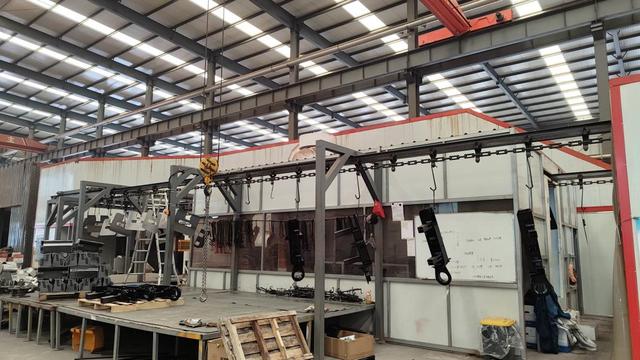
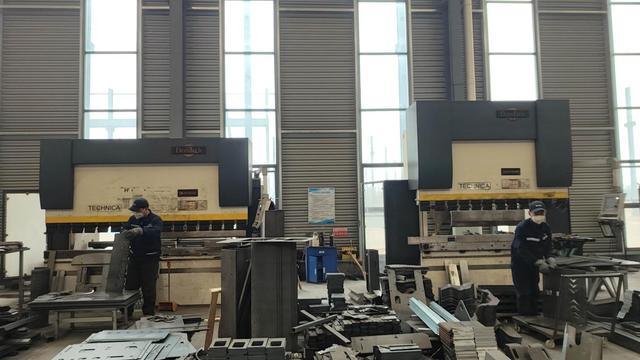
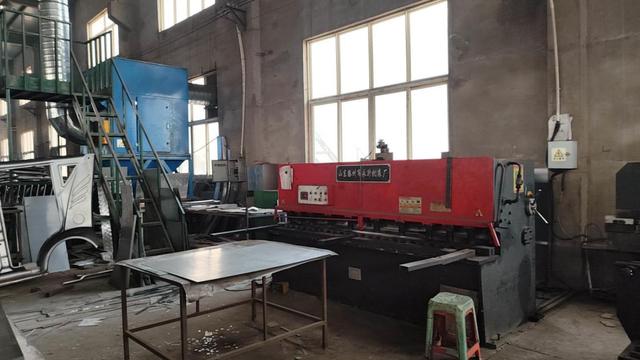
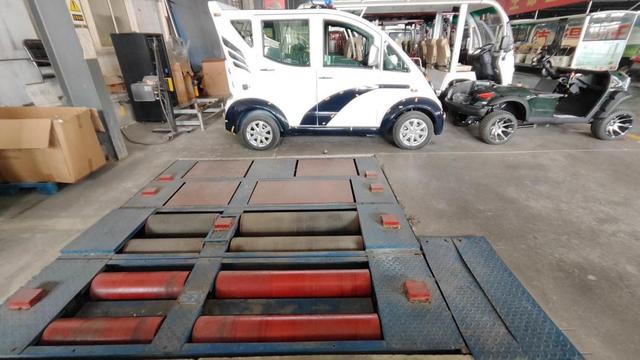
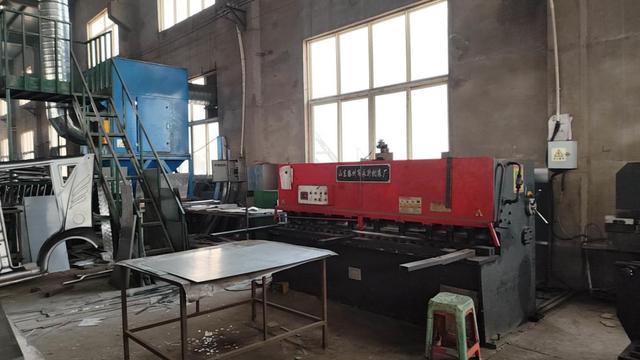
By leveraging the industrial capabilities of Ningbo's advanced manufacturing hub, GLHF Golf benefits from a highly integrated supply chain. From precision automated steel fabrication to advanced robotic welding and smart battery management system (BMS) testing, GLHF Golf maintains full quality control over the manufacturing lifecycle. This vertical integration allows for high product customization while maintaining competitive cost structures for resort operators in Fiji and the wider South Pacific region.
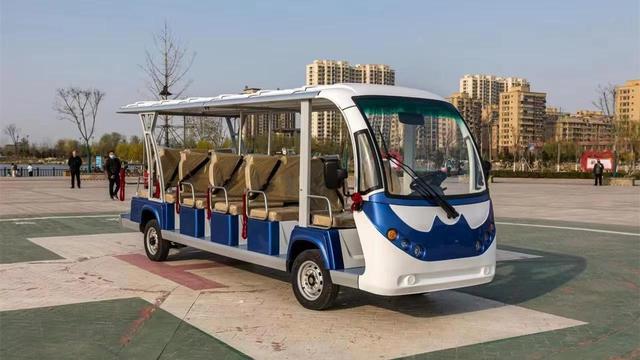
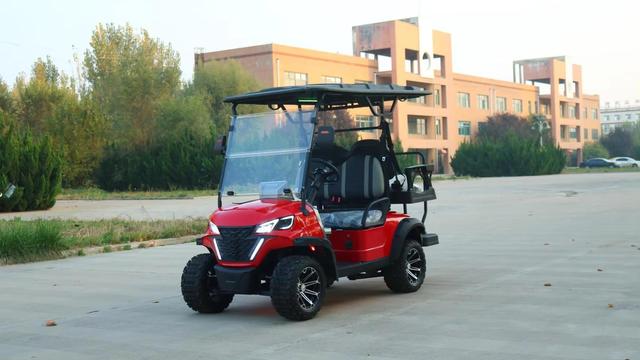
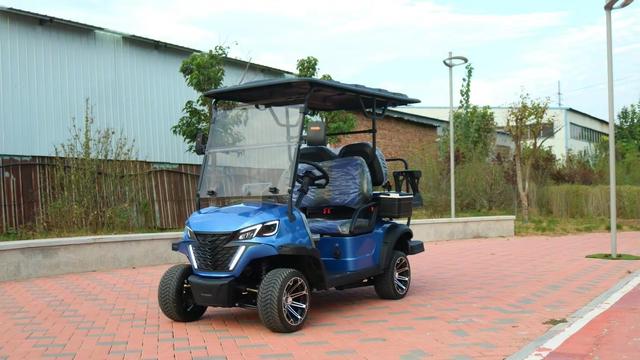
From Denarau Island's luxury resorts to municipal parks in Suva and private islands in the Yasawas, solar-assisted golf carts are optimized for diverse local requirements.
For isolated eco-resorts with limited access to grid electricity, energy self-sufficiency is a priority. Solar-assisted carts generate power while parked outside guest villas or dining pavilions. This reduces the load on local diesel generators and aligns with guests' expectations for low-carbon travel experiences.
For gated master-planned communities like Denarau Island, these vehicles offer a clean option for daily commuting, security patrols, and maintenance tasks. The integrated monocrystalline roof panels keep batteries topped up, minimizing the frequency of plug-in charges and providing dependable transport.
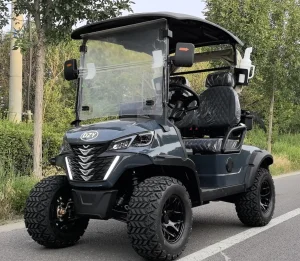
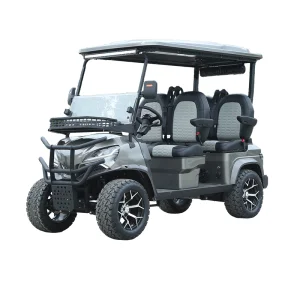
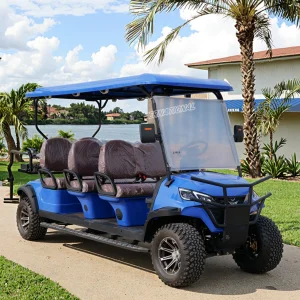
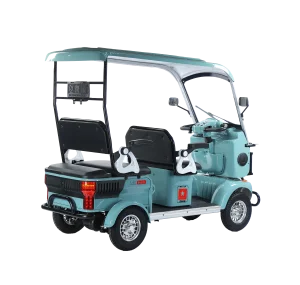
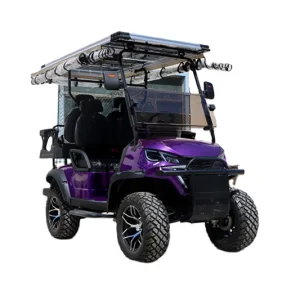
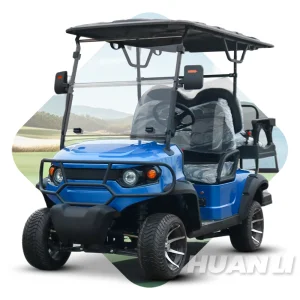
Discover our comprehensive range of electric vehicles, featuring passenger, utility, and off-road models designed for international markets.
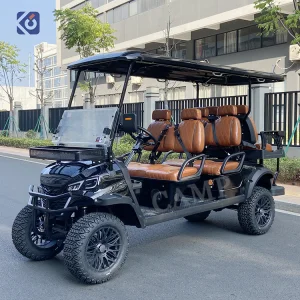
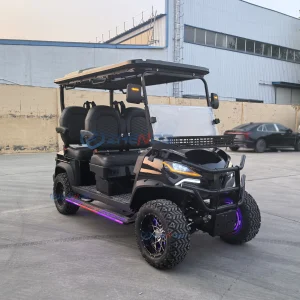
Technical answers to common questions about sourcing, operating, and maintaining solar-assisted electric vehicles in tropical environments.
Our solar modules are built using multi-layer ethylene-vinyl acetate (EVA) encapsulation and anti-corrosive aluminum borders. The electrical junctions are IP67-rated, protecting against dust, rain, and salty air. We use specialized tempered marine glass to guard against micro-cracking and salt fog buildup, ensuring reliable performance in coastal locations like Fiji's outer islands.
The solar panel functions primarily as a high-efficiency trickle charger and range extender, generating between 15km and 25km of daily range depending on sunlight exposure. For heavy resort usage, we recommend connecting to grid or generator power overnight. However, for low-intensity applications (such as private residential use or security rounds), the solar setup can often keep the vehicle charged without needing grid access.
LiFePO4 (Lithium Iron Phosphate) is highly suited for Fiji's warm climate. It performs reliably at elevated temperatures without thermal degradation, retains a stable voltage throughout discharge, and provides a long service life of 3,000–4,000 charge cycles. While lead-acid batteries have lower upfront costs, they degrade much faster in high ambient temperatures, require regular fluid maintenance, and generally need replacement after 300-500 cycles.
We provide full export support, shipping directly from Ningbo Port to Suva or Lautoka. We supply all necessary international shipping documentation, including bills of lading, CE certifications, commercial invoices, packing lists, and certificates of origin. We can also coordinate with local customs agents to assist with duties concessions on clean energy equipment under Fiji's current renewable import frameworks.
Yes. We offer customizable body colors, seating designs, and branding options to match your resort's visual style. You can also customize utility additions such as heavy-duty cargo boxes, medical stretchers, or food and beverage service modules.
Contact our engineering team to discuss your fleet requirements, customized configurations, and global delivery schedules.
Send Inquiry Now GLHF Golf