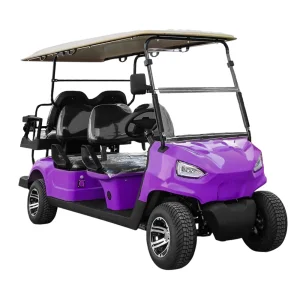
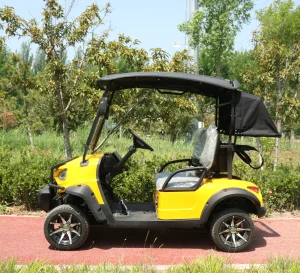
Engineered for high temperature tolerance and maximum solar conversion under West Malaysia's solar irradiance profile.
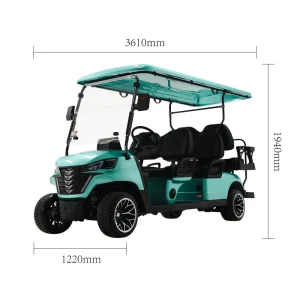
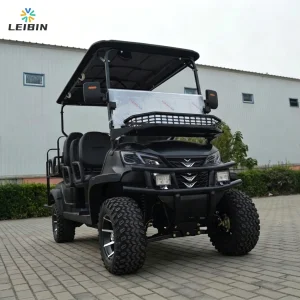
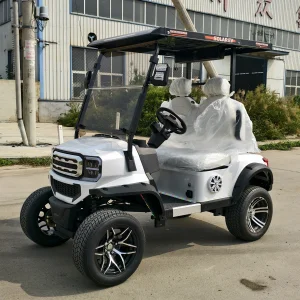
The Klang Valley and Greater Kuala Lumpur region are experiencing an unprecedented transition toward sustainable infrastructure. Guided by Malaysia's National Energy Transition Roadmap (NETR) and the Green Technology Financing Scheme (GTFS 4.0), luxury resorts, master-planned residential estates, and premier golf courses are actively replacing internal combustion engine (ICE) utility vehicles with eco-friendly alternatives.
Kuala Lumpur's tropical rainforest climate, characterized by high average daily temperatures (27°C to 33°C) and substantial solar irradiance (exceeding 1,500 kWh/m² annually), presents both a challenge and an immense opportunity. While standard electric vehicles struggle with battery thermal degradation in persistent humidity, solar-assisted electric golf carts convert active sunlight into range extensions, shielding fleets from excessive grid reliance.
From prestigious courses like the Kuala Lumpur Golf & Country Club (KLGCC) to eco-resorts in nearby Selangor, operators are optimizing total cost of ownership (TCO) through continuous photovoltaic charging, mitigating battery wear caused by deep discharge cycles.
Reduced Grid Dependence: Offsets grid charging costs, which are subject to commercial electricity tariffs in Malaysia (Tariff C1/C2).
Extended Battery Lifespan: Micro-charging throughout the day prevents lead-acid and lithium batteries from falling into the "critical degradation zone" below 20% State of Charge (SoC).
Lower Operational Carbon Footprint: Directly aligns with corporate environmental, social, and governance (ESG) reporting requirements mandatory for Bursa Malaysia-listed companies.
Technical evaluation criteria for international buyers, developers, and golf course management companies.
High humidity leads to rapid corrosion. Fleets in Southeast Asia require hot-dip galvanized steel frames or marine-grade extruded aluminum structures treated with anti-corrosive powder coatings to resist salt air and moisture.
Maximum Power Point Tracking (MPPT) solar charge controllers are essential. MPPT optimizes conversion efficiency by up to 30% compared to standard PWM controllers under shifting cloud cover in tropical climates.
Sourcing teams prioritize batteries with thermal management sensors, protecting Lithium Iron Phosphate (LiFePO4) or advanced Lead-Acid cells against overheating during long shifts on the tarmac or turf.
Our solar-assisted drivetrain combines monocrystalline photovoltaic roof panels with a smart charging system connected directly to the vehicle's primary battery pack. When the cart is parked or driven in sunlight, the panels constantly generate electricity, routing it through an MPPT step-up controller. This continuous power supply maintains optimal voltage and prevents deep discharge cycles.
Furthermore, this architecture reduces grid-based charging cycles by 1.5 times, meaning a fleet operator saves significantly on replacement costs over a five-year period. In tropical regions like Kuala Lumpur, solar energy offset can add up to 15-20 kilometers of driving distance per day, depending on the sunlight profile.
The core design philosophy of our next-generation electric vehicles focuses on high efficiency and reliability. The vehicle's roof houses monocrystalline silicon solar cells with a light conversion rate exceeding 22%. These cells are laminated with lightweight, shatterproof ETFE (Ethylene Tetrafluoroethylene) film, offering exceptional UV protection and scratch resistance compared to standard glass panels.
Additionally, the integrated Smart BMS constantly monitors temperature, cell balance, and charging state. This system prevents overcharging when the cart is parked outdoors under direct sun, while automatic safety shutdowns protect against short circuits or thermal runaway.
A professional manufacturer specializing in electric golf carts and golf course mobility solutions.
Ningbo GLHF Golf Co., Ltd. is a professional manufacturer specializing in electric golf carts and golf course mobility solutions. The company focuses on the design, development, and production of lithium and lead-acid battery-powered golf vehicles, providing reliable transportation solutions for golf courses, resorts, residential communities, hotels, and commercial facilities worldwide.
Since its establishment, GLHF Golf has built a strong foundation in electric mobility engineering and golf industry applications. In its early stage, the company concentrated on assembling basic lead-acid battery golf carts for domestic markets, gradually gaining experience in vehicle structure optimization and battery management systems. As demand for cleaner and more efficient energy solutions increased, the company entered a rapid development phase, introducing lithium battery technologies and upgrading its product line to meet international standards.
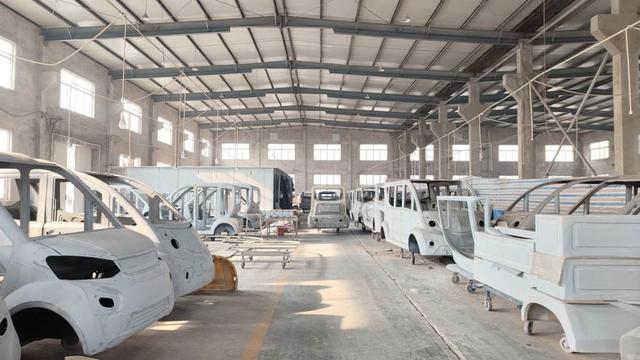
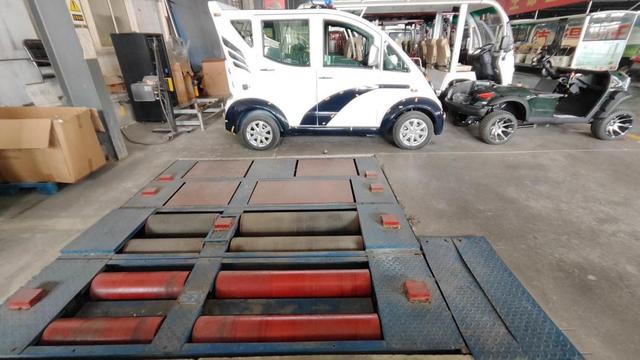
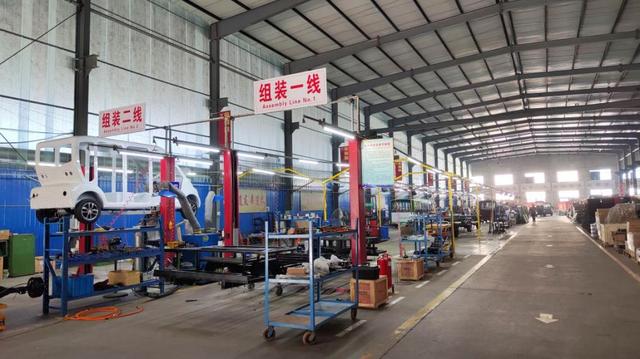
Over the years, GLHF Golf expanded its manufacturing capabilities with advanced production lines, precision assembly workshops, and strict quality control systems. The company continuously improved core technologies such as electric drivetrain efficiency, battery endurance, and vehicle safety performance. At the same time, it developed a diversified product portfolio covering passenger carts, utility carts, and customized fleet solutions for large-scale golf course operations.
Today, Ningbo GLHF Golf Co., Ltd. serves global clients with a strong commitment to innovation, durability, and energy efficiency. With ongoing investment in smart mobility systems and sustainable transportation technologies, the company aims to become a leading international supplier of electric golf cart solutions, delivering high-performance, eco-friendly vehicles for modern golf and leisure industries.
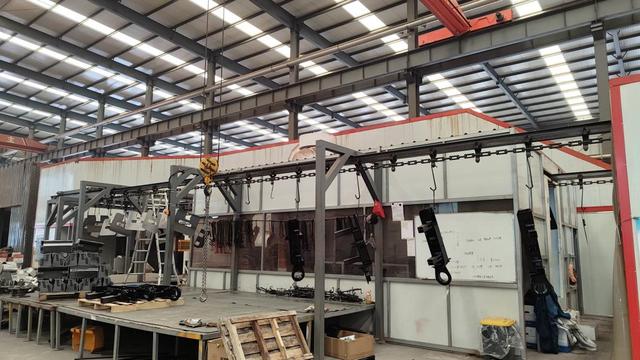
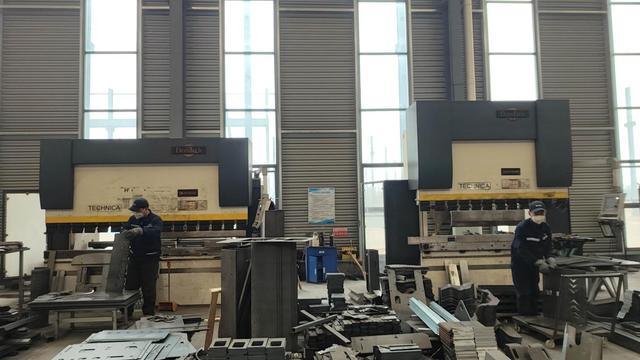
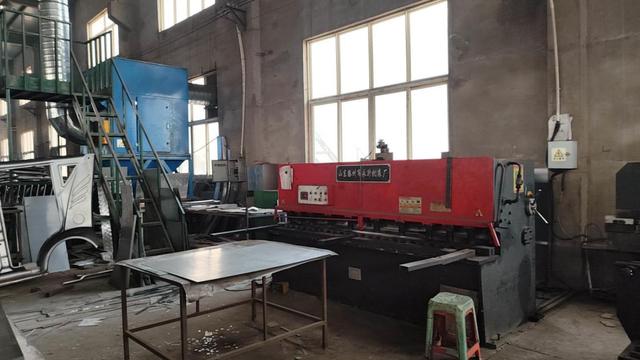
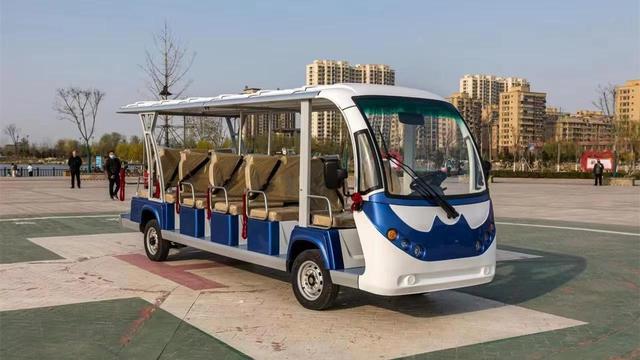
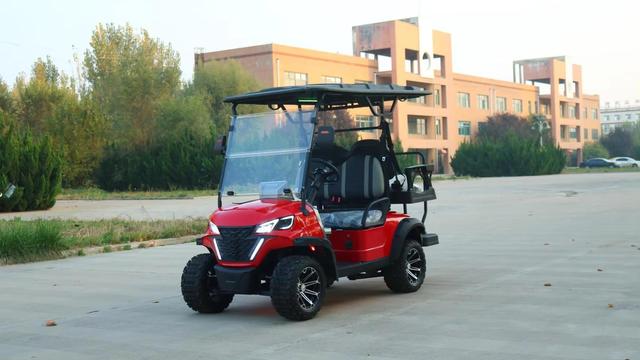
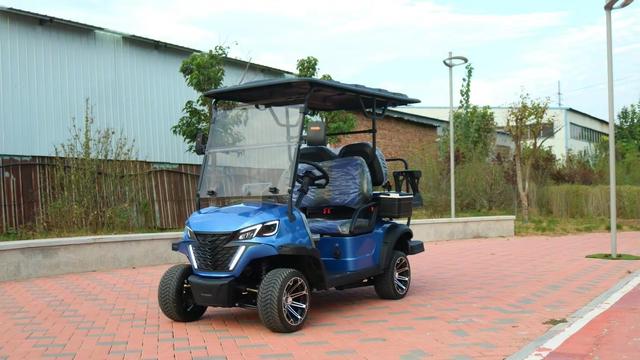
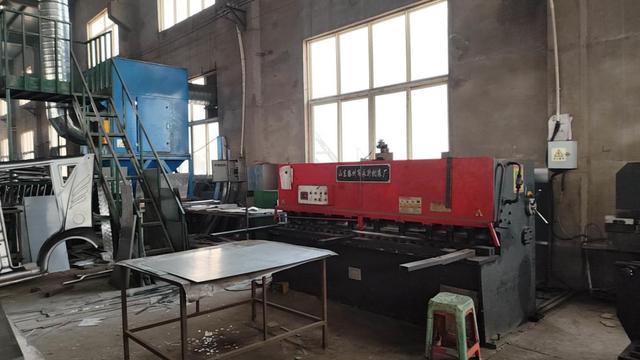
Navigating fleet import regulations and technical compliance in Malaysia is critical. GLHF Golf designs and manufactures vehicles that adhere to strict international engineering standards, including CE certification, facilitating local approval processes with relevant Malaysian agencies such as SIRIM QAS and the Road Transport Department (JPJ) for street-legal configurations.
Furthermore, we establish local support networks to assist fleet managers in Kuala Lumpur with spare parts availability, battery diagnostics, and custom software adjustments. From specialized commercial steel chassis configurations to robust off-road suspensions, our units are delivered ready to deploy across diverse terrains.
ISO & CE Certifications: Fully certified manufacturing processes assure consistent product performance and high structural integrity.
Custom Parts Access: Reliable supply lines for motor controllers, replacement solar films, and localized lithium batteries ensure minimal fleet downtime.
Robust After-Sales: Direct factory training for local technicians, ensuring that maintenance of advanced MPPT solar controllers and lithium packs is simple and efficient.
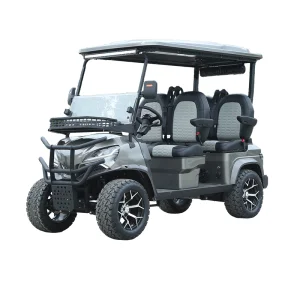
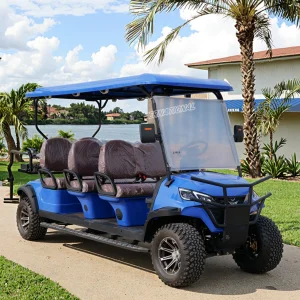
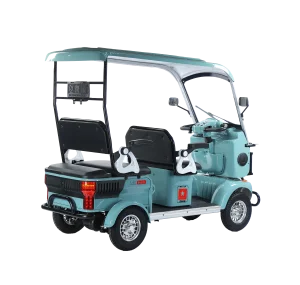
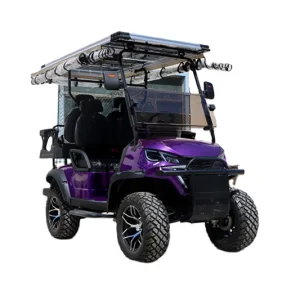
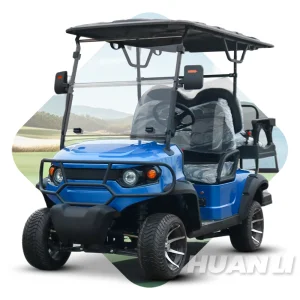
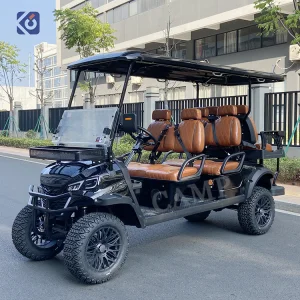
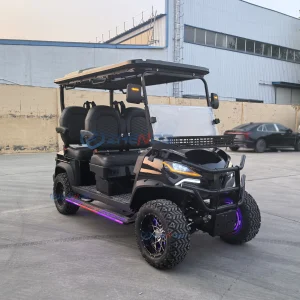
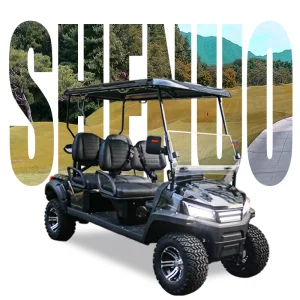
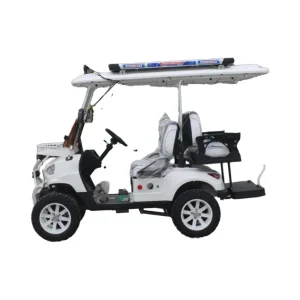
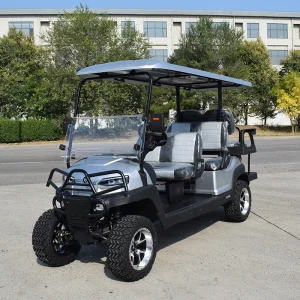
Explore our full range of solar-assisted electric golf carts, utility buggies, and specialized commercial fleets serving the Kuala Lumpur and ASEAN markets.
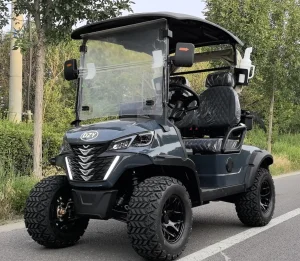
Sourcing insights, engineering specifications, and localized operation queries answered by our product team.
 GLHF Golf