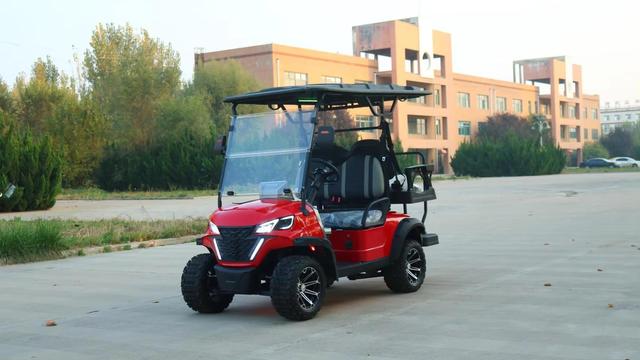
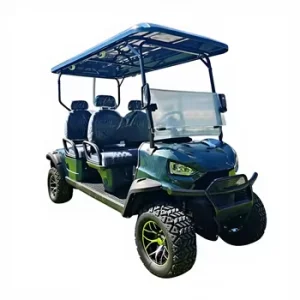
Explore our leading utility golf carts, engineered with advanced solar technology, robust AC motors, and high-capacity lithium configurations for diverse commercial and recreational applications.
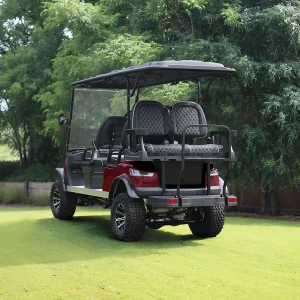
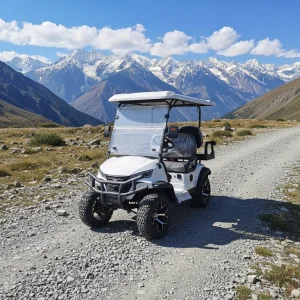
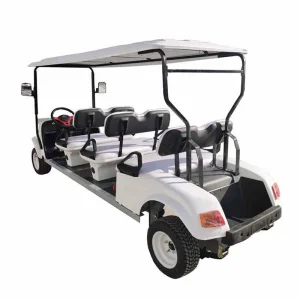
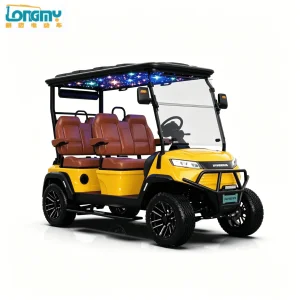
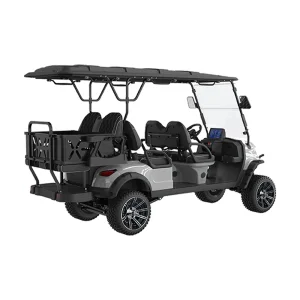
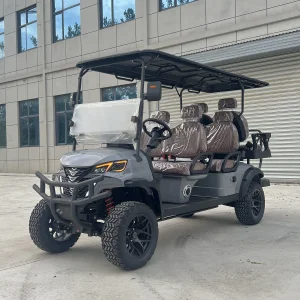
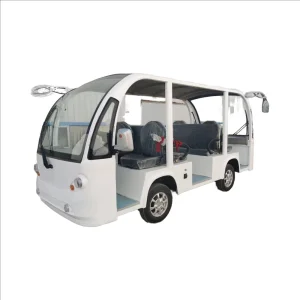
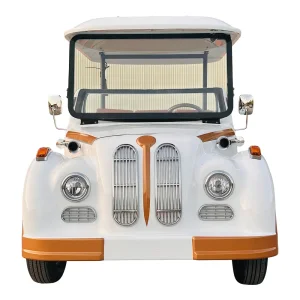
Ningbo GLHF Golf Co., Ltd. is a professional manufacturer specializing in electric golf carts and golf course mobility solutions. The company focuses on the design, development, and production of lithium and lead-acid battery-powered golf vehicles, providing reliable transportation solutions for golf courses, resorts, residential communities, hotels, and commercial facilities worldwide.
Since its establishment, GLHF Golf has built a strong foundation in electric mobility engineering and golf industry applications. In its early stage, the company concentrated on assembling basic lead-acid battery golf carts for domestic markets, gradually gaining experience in vehicle structure optimization and battery management systems. As demand for cleaner and more efficient energy solutions increased, the company entered a rapid development phase, introducing lithium battery technologies and upgrading its product line to meet international standards.
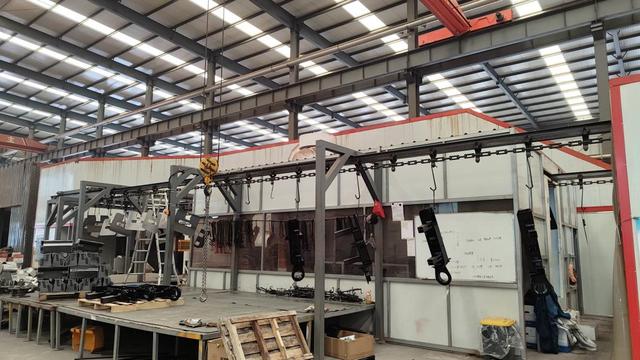
Over the years, GLHF Golf expanded its manufacturing capabilities with advanced production lines, precision assembly workshops, and strict quality control systems.
The company continuously improved core technologies such as electric drivetrain efficiency, battery endurance, and vehicle safety performance.
At the same time, it developed a diversified product portfolio covering passenger carts, utility carts, and customized fleet solutions for large-scale operations.
Today, Ningbo GLHF Golf Co., Ltd. serves global clients with a strong commitment to innovation, durability, and energy efficiency. With ongoing investment in smart mobility systems and sustainable transportation technologies, the company aims to become a leading international supplier of electric golf cart solutions, delivering high-performance, eco-friendly vehicles for modern golf and leisure industries.
Our metrics testify to our engineering capability, quality systems, and worldwide logistics network.
Analysing the technological trends, environmental pressures, and operational efficiencies driving modern micro-mobility solutions.
The global commercial transport sector is undergoing a rapid transition toward carbon-neutral operations. Traditional internal combustion engine (ICE) utility carts are increasingly restricted due to noise ordinances, greenhouse gas emissions, and high maintenance overheads. By contrast, modern electric utility carts, particularly those integrated with solar power assists, provide a near-zero emission footprint.
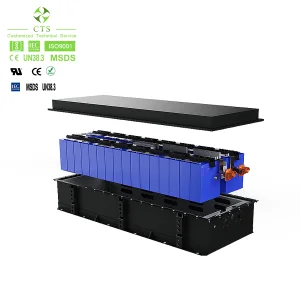
According to recent market research, the global electric utility vehicle market is projected to grow at a CAGR of over 8.5% through 2030. Industry leaders are choosing lithium-ion (LiFePO4) over traditional flooded lead-acid batteries due to the chemistry’s higher energy density, zero maintenance requirement, and significantly longer cycle life (up to 3,500 charging cycles at 80% Depth of Discharge).
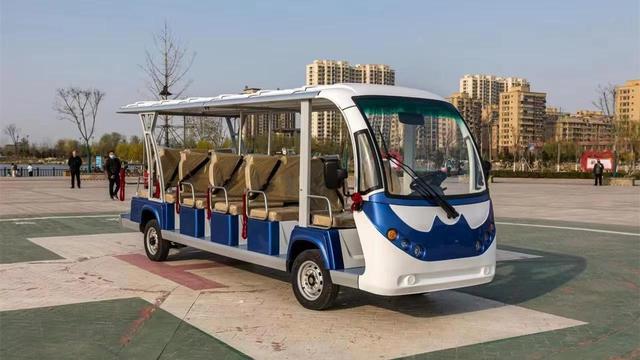
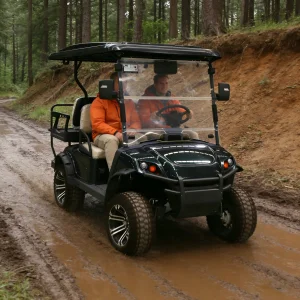
Electric utility golf carts are no longer confined exclusively to the fairways of golf courses. They have evolved into critical multi-purpose logistics assets for:
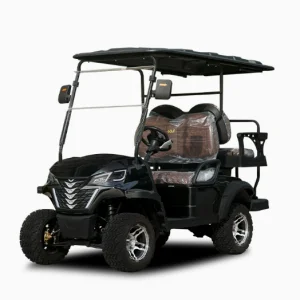
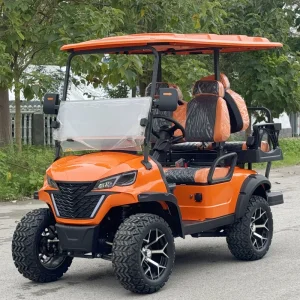
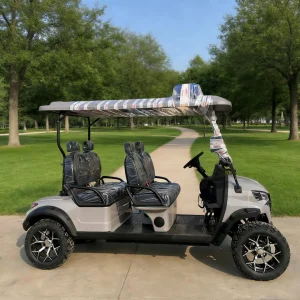
To withstand heavy duty use, the modern utility golf cart requires comprehensive structural reinforcement and high-efficiency drivetrains. The integration of high-torque AC motors (ranging from 3KW to 7.5KW) allows vehicles to tackle steep inclines (up to 30% grading) even under maximum load capacity.
| Technical Parameter | Standard Configuration | Heavy-Duty Industrial Upgrade | Key Benefits |
|---|---|---|---|
| Chassis Structure | Welded Steel Frame with Anti-Rust Coating | Hot-Dip Galvanized / High-Strength Aluminum | Extreme corrosion resistance in coastal/coastal environments |
| Motor Technology | 3.5KW - 4.8KW AC Induction Motor | 5KW - 7.5KW Brushless AC / PMAC Motor | Higher torque output, regenerative braking, less maintenance |
| Battery System | Lead-Acid Deep Cycle (48V / 60V) | LiFePO4 Lithium Battery with Integrated BMS | Faster charging, longer lifespan, zero maintenance, lower weight |
| Suspension System | Leaf Springs with Hydraulic Dampers | Independent Double A-Arm Front Suspension | Enhanced passenger comfort and superior off-road handling |
| Solar Integration | None | Monocrystalline Solar Roof Panel (200W-400W) | Extends daily range by up to 15-20km; reduces grid reliance |
Importing utility golf carts requires compliance with stringent regional homologation and safety standards. GLHF Golf ensures all vehicles meet essential certifications for their target markets:
In the United States, Low-Speed Vehicles (LSVs) must comply with Federal Motor Vehicle Safety Standard 500 (FMVSS 500), which mandates headlights, turn signals, mirrors, windshields, seat belts, and a maximum speed cap of 25 mph (40 km/h). In the European Union, vehicles must hold CE certification, and in some configurations, EEC L7e road-legal registration. Furthermore, all lithium battery packs comply with UN 38.3 transport safety regulations, ensuring secure shipping and operational safety.
How Ningbo GLHF Golf Co., Ltd. is preparing for the next generation of smart, autonomous micro-mobility.
Integration of GPS tracking, remote diagnostics, and geofencing capabilities. Fleet operators can track vehicle state-of-charge, trace real-time location, and receive predictive maintenance alerts.
Developing Vehicle-to-Grid (V2G) interfaces that allow our solar-integrated high-capacity lithium fleets to serve as distributed energy storage units during peak-shaving hours.
Testing LiDAR and ultrasonic sensor arrays for low-speed autonomous transit within closed-loop campuses, resorts, and high-security industrial facilities.
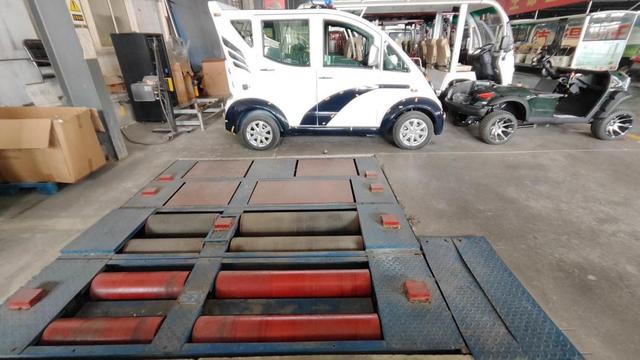
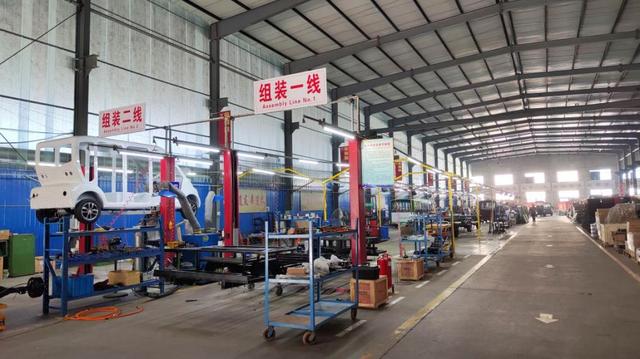
Inspect our modern factory layout, assembly processes, and advanced QA facilities located in Ningbo, China.
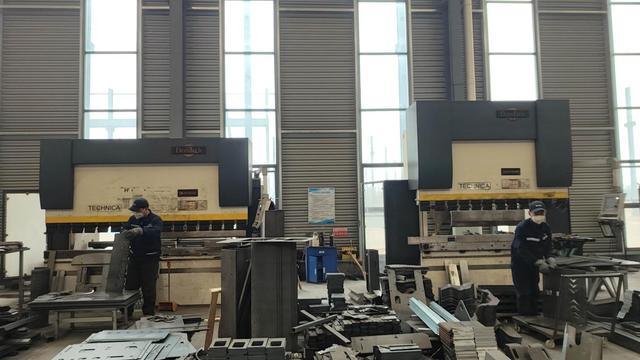
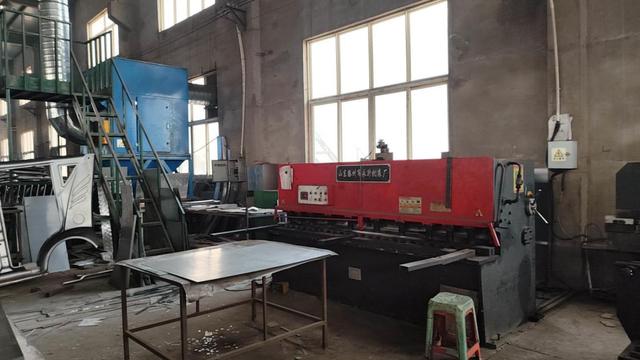
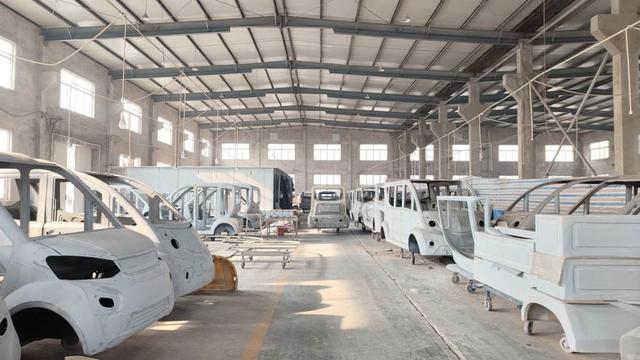
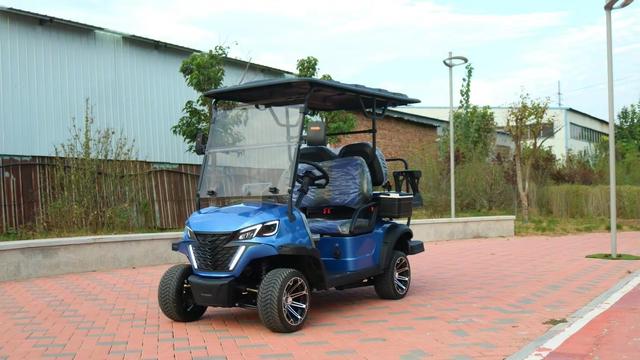
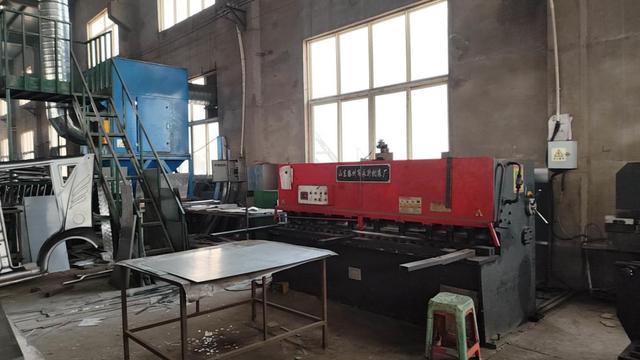
Read detailed technical answers to the most common questions regarding shipping, customization, and operations.
Explore our heavy-duty vehicles, custom frames, off-road builds, and modular lithium systems designed to meet demanding industrial and commercial requirements.
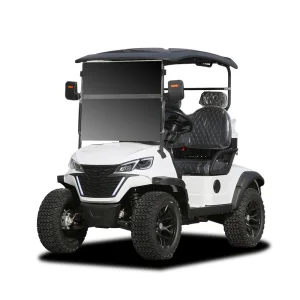
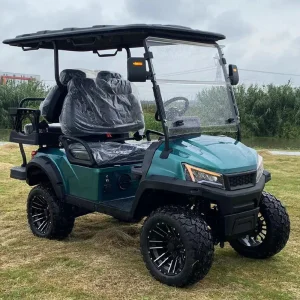
 GLHF Golf