Direct-from-manufacturer wholesale opportunities. Built with high-efficiency drivetrains and engineered for extreme terrain adaptability.
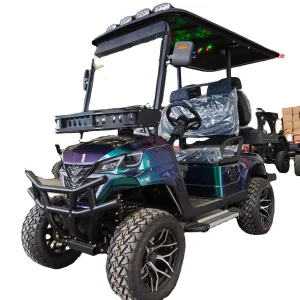
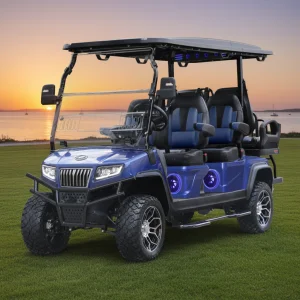
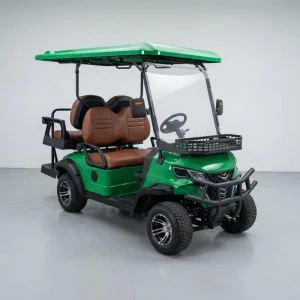
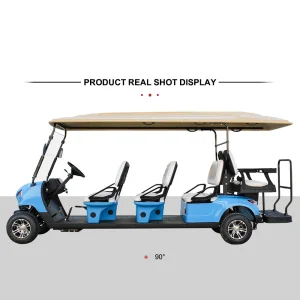
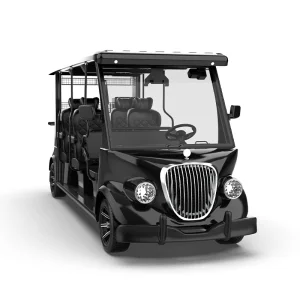
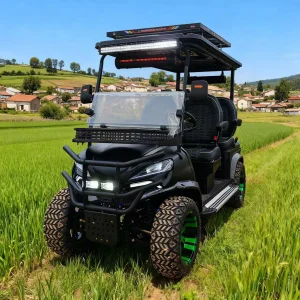
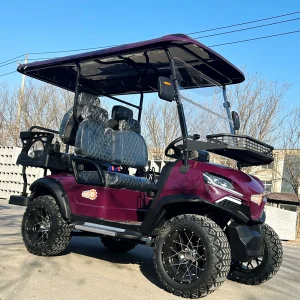

The global demand for high-durability, energy-efficient Utility Terrain Vehicles (UTVs) and off-road utility fleets is experiencing a transformative shift. Historically anchored in internal combustion engine configurations for heavy agricultural use, the modern commercial sector—ranging from expansive resorts to industrial warehouses, municipalities, and elite golf clubs—now demands zero-emission, high-payload electric alternatives. The crossover between heavy-duty electric utility carts and traditional UTV architectures has closed significantly, giving rise to an agile class of Low-Speed Vehicles (LSVs) optimized for load-carrying capability, minimal noise pollution, and low total cost of ownership (TCO).
"Global fleet managers are transitioning from combustion UTVs to high-voltage electric platforms. By focusing on lithium battery density, structural optimization, and variable-frequency AC motor controllers, Chinese manufacturers are defining the performance parameters of next-generation commercial utility transportation."
As off-road and street-legal regulatory guidelines tighten globally, particularly across the European Union (CE markings) and North America (DOT FMVSS 500 standards), procurement directors are bypassing intermediary distributors. They are seeking direct partnerships with vertically integrated manufacturing plants in China. By collaborating directly with engineers who understand structural welding, drive ratio optimization, and lithium cell chemistry management, commercial buyers ensure their fleets are custom-configured for their specific terrains and operational demands.
Engineering a modern Utility Terrain Vehicle or electric utility fleet requires a holistic understanding of electronic powertrains. Ningbo GLHF Golf Co., Ltd. has established a clear technical roadmap that transitions from older Lead-Acid battery systems to advanced Lithium Iron Phosphate (LiFePO4) power plants. This transition is not merely a battery swap; it requires a redesigned chassis structure, intelligent Battery Management Systems (BMS), and optimized motor controller mapping to handle sudden changes in torque demand on steep, off-road gradients.
Utilizing high-capacity lithium packs (60V to 72V configurations) allows fleets to achieve over 100km in driving range per single charge, while shedding up to 150kg in dead weight compared to traditional lead-acid configurations.
Deploying 3500W to 7500W brushless AC induction and permanent magnet synchronous motors. These systems deliver flat torque curves, ensuring exceptional climbing grades of up to 25% under full cargo capacity.
Equipped with real-time temperature tracking, overcurrent protection, cell-balancing controllers, and dynamic regenerative braking recovery, extending total battery lifecycle expectancy past 3,500 full charge-discharge cycles.
Furthermore, structural optimization is at the core of our technical development. Frames are manufactured using high-strength low-alloy (HSLA) steel, which undergoes hot-dip galvanization or advanced electrophoretic deposition (EPD) to resist extreme humidity, fertilizer exposure on golf courses, and coastal salt spray. Front MacPherson suspensions combined with multi-link trailing-arm rear suspensions ensure tire contact is maintained across uneven off-road terrains, minimizing chassis fatigue and maximizing passenger comfort.
Understanding a manufacturer's historical context and infrastructure is vital for procurement partners evaluating E-E-A-T (Experience, Expertise, Authoritative, Trustworthiness). The growth and current market positioning of our production operations tell a story of technological evolution:
Since its establishment, GLHF Golf has built a strong foundation in electric mobility engineering and golf industry applications. In its early stage, the company concentrated on assembling basic lead-acid battery golf carts for domestic markets, gradually gaining experience in vehicle structure optimization and battery management systems. As demand for cleaner and more efficient energy solutions increased, the company entered a rapid development phase, introducing lithium battery technologies and upgrading its product line to meet international standards.
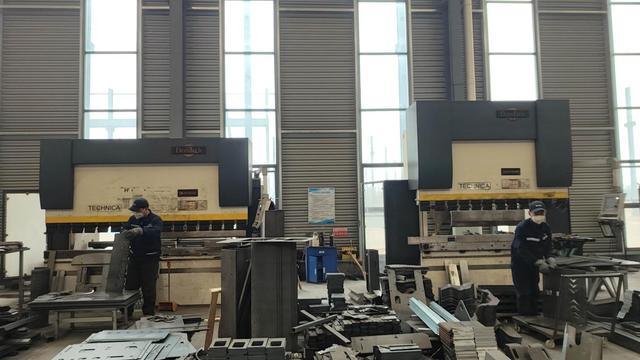
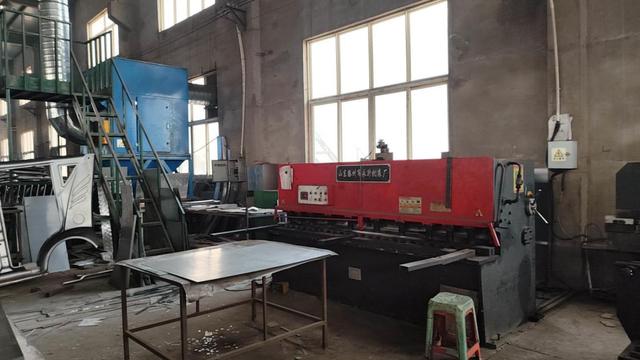
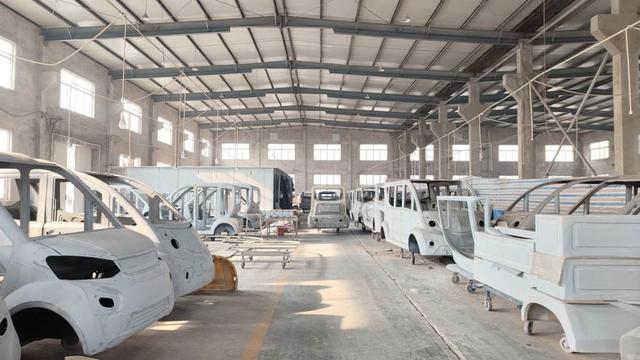
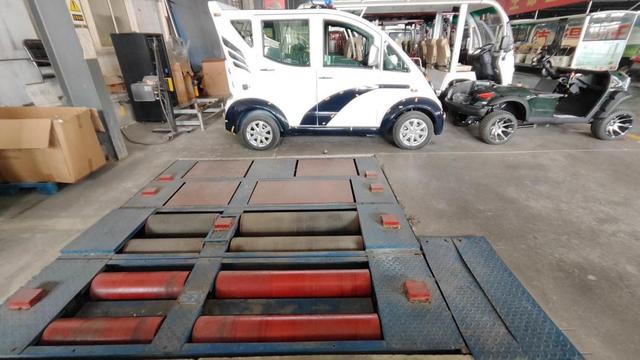
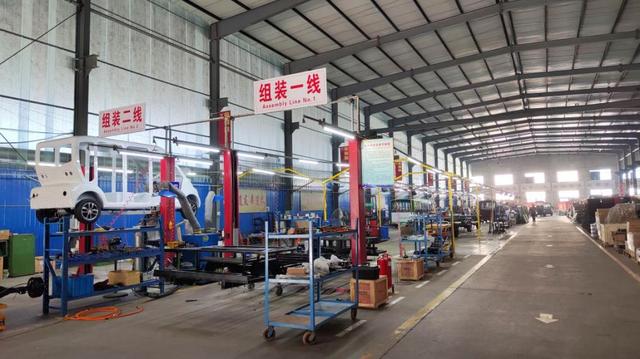
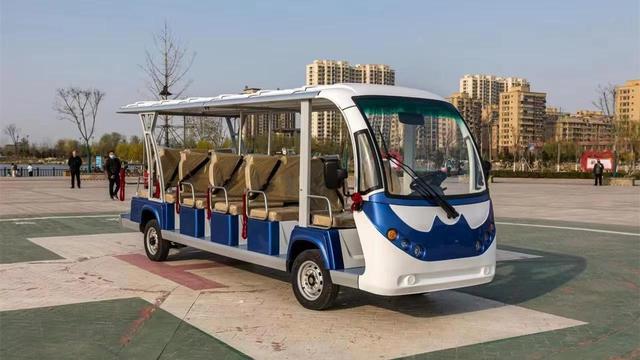
Over the years, GLHF Golf expanded its manufacturing capabilities with advanced production lines, precision assembly workshops, and strict quality control systems. The company continuously improved core technologies such as electric drivetrain efficiency, battery endurance, and vehicle safety performance. At the same time, it developed a diversified product portfolio covering passenger carts, utility carts, and customized fleet solutions for large-scale golf course operations.
Today, Ningbo GLHF Golf Co., Ltd. serves global clients with a strong commitment to innovation, durability, and energy efficiency. With ongoing investment in smart mobility systems and sustainable transportation technologies, the company aims to become a leading international supplier of electric golf cart solutions, delivering high-performance, eco-friendly vehicles for modern golf and leisure industries.
Utility terrain vehicles and utility-focused electric carts must adapt dynamically to their physical environments. Different geographic locations require specific engineering configurations to handle localized terrain, climatic variations, and operational objectives.
For operations in national parks, wildlife reserves, and five-star resorts, the vehicle's acoustic profile and tire-tread footprint are critical. GLHF electric platforms operate under a 55dB noise threshold, using wide turf-saving tires to navigate soft ground without degrading natural landscaping.
Inside large production facilities and logistics hubs, speed limit compliance must align with high payload capacity. Configured with long cargo beds and hydraulic dump hoppers, these utility carts carry tools, industrial components, and raw materials up to 800kg safely.
Saltwater exposure accelerates structural decay. To address this, export configurations for maritime applications use structural hot-dip galvanization, stainless steel hardware, and waterproof electrical connectors (IP67 rating) across all wiring harnesses.
Whether deploying a fleet of autopilot-capable passenger shuttles on corporate campuses, or configuring rugged off-road utility carts with 4WD capabilities for forest park patrols, GLHF Golf provides customized axle ratios, specialized suspension configurations, and tire packages designed to meet localized off-road demands.
Choosing Ningbo GLHF Golf Co., Ltd. offers a key geographic advantage: access to China's leading electric vehicle supply chain cluster. Situated in Ningbo, a major industrial hub with the world's busiest port by cargo tonnage, our facility integrates localized raw material sourcing, specialized machining, and global logistics options.
This industrial density brings several advantages:
By leveraging this integrated supply chain, we control quality at every assembly step—from chassis welding to final electronic calibration—ensuring competitive wholesale pricing and reliable production schedules.
Entering international markets requires strict adherence to localized transport, environmental, and electrical safety standards. GLHF Golf design workflows incorporate international design requirements, guaranteeing compliant vehicle configurations for regional import regulations.
Our engineering standards ensure that every vehicle conforms to essential safety requirements:
Additionally, we provide localized replacement parts, schematics, and controller diagnostics, helping fleet managers maintain vehicle uptime in their target markets.
The future of utility terrain vehicles lies in digital connectivity and automation. As resorts, airports, and industrial complexes scale up their fleet operations, managing manual driving resources and scheduling charging stops becomes a challenge. GLHF Golf is actively developing and testing integrated autopilot modules and cloud-connected IoT fleet management hardware.
Our future systems focus on three main innovations:
Investing in these smart systems ensures our electric platforms remain competitive, adaptive, and prepared for future automation requirements.
A view inside our advanced manufacturing, assembly, and testing facilities in Ningbo, China.
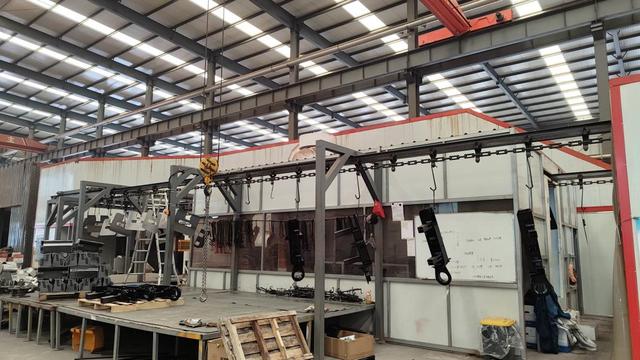
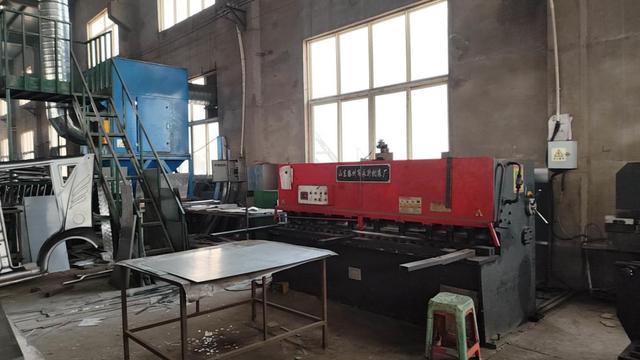
Frequently asked technical and commercial questions regarding global procurement, customization, and performance parameters.
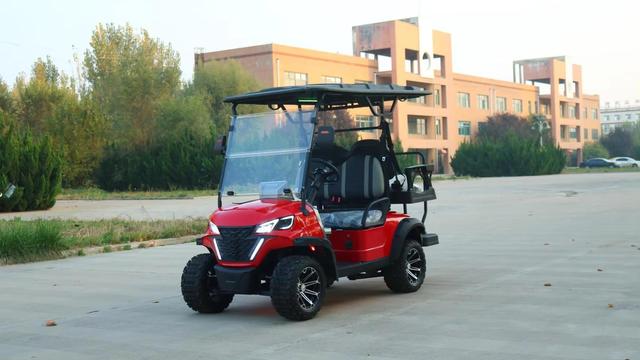
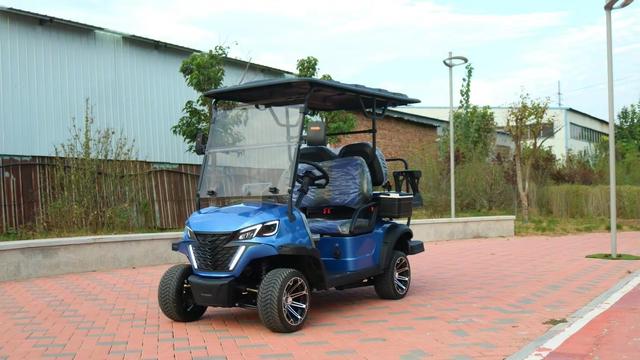
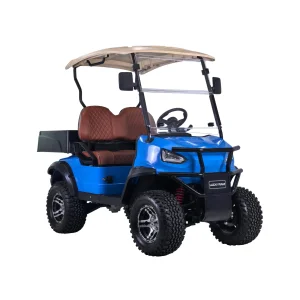
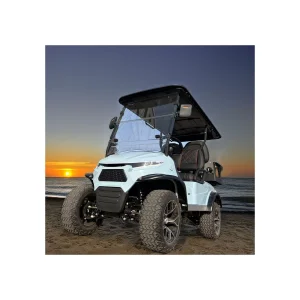
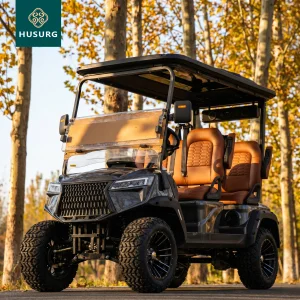
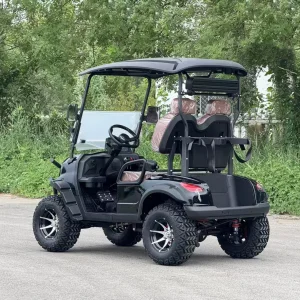
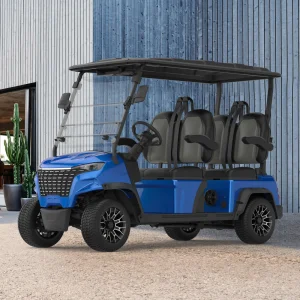
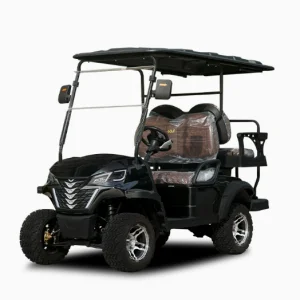
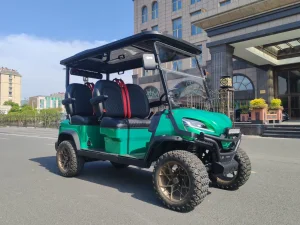
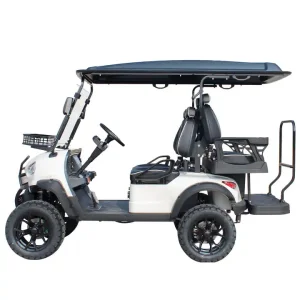
Heavy-duty chassis options, off-road tire sets, and customizable configurations for commercial, patrol, and resort applications.
 GLHF Golf