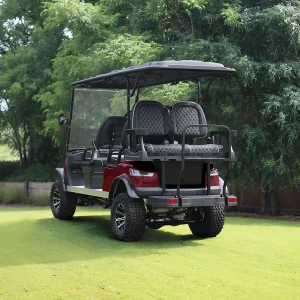
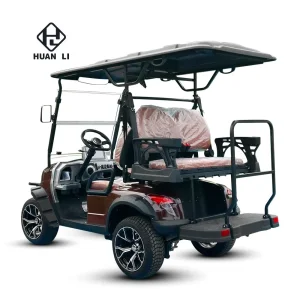
Pioneering structural integrity, intelligent power configurations, and customized commercial drivetrains.
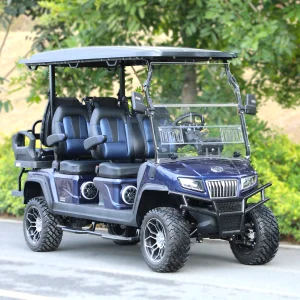
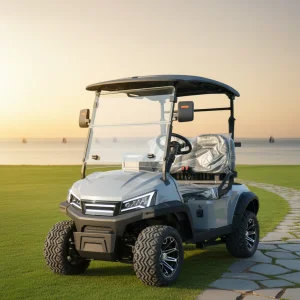
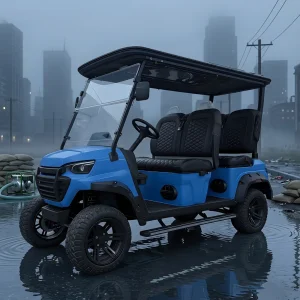
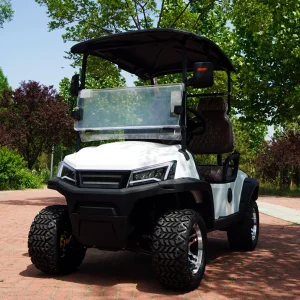
In modern commercial, industrial, and high-end residential transportation sectors, standard golf carts often fail under the mechanical demands of continuous cycle duty and demanding environments. Impact resistance is not merely a superficial structural feature; it represents a comprehensive system-level design imperative. High-integrity chassis architecture, advanced material sciences, and optimized energy dissipation pathways form the core of impact-resistant micro-mobility solutions.
As golf carts shift from single-use recreational utilities to high-volume commercial passenger carriers and multi-functional off-road workhorses, they must withstand mechanical loads and physical stress. For fleet managers, purchasing directors, and distributors, assessing a vehicle’s durability requires looking beyond the outer panels to the underlying physics of material selection, structural frame configuration, and dynamic kinetic management.
Conventional plastic body panels under mechanical stress can crack, splinter, or shatter, creating safety hazards and increasing maintenance costs. High-performance impact-resistant golf carts mitigate these issues by utilizing thermoformed high-impact ABS (Acrylonitrile Butadiene Styrene) blended with polycarbonate (PC) and treated with UV-resistant coatings. ABS-PC alloys combine the rigid strength of polycarbonate with the ductile elasticity of ABS, allowing the panels to deflect elastic impacts without suffering permanent deformation.
Beneath the body panels, the primary chassis frame must provide both structural rigidity and localized compliance. Modern manufacturers utilize automotive-grade high-strength low-alloy (HSLA) steel or extruded structural aluminum alloys (such as 6061-T6 heat-treated frames). These profiles undergo precision robotized MIG welding and hot-dip galvanization (inside and out) to protect against oxidation in coastal resorts or highly humid environments. The frame is engineered with crumple zones that absorb kinetic energy during frontal or rear collisions, protecting passengers and isolating the battery packs from severe shock.
Heavy duty cycles require drivetrains capable of maintaining thermal and mechanical stability under high load conditions. Using high-efficiency AC induction motors or Brushless DC (BLDC) motors paired with smart controllers allows for optimized torque delivery. During steep hill climbs or heavy cargo transport, the system dynamically manages electric currents, preventing motor overheating and battery strain. The integration of regenerative braking systems converts kinetic energy back into electrical potential, improving safety on descents and reducing physical wear on brake assemblies.
Ningbo GLHF Golf Co., Ltd. is a professional manufacturer specializing in electric golf carts and golf course mobility solutions. The company focuses on the design, development, and production of lithium and lead-acid battery-powered golf vehicles, providing reliable transportation solutions for golf courses, resorts, residential communities, hotels, and commercial facilities worldwide.
Since its establishment, GLHF Golf has built a strong foundation in electric mobility engineering and golf industry applications. In its early stage, the company concentrated on assembling basic lead-acid battery golf carts for domestic markets, gradually gaining experience in vehicle structure optimization and battery management systems. As demand for cleaner and more efficient energy solutions increased, the company entered a rapid development phase, introducing lithium battery technologies and upgrading its product line to meet international standards.
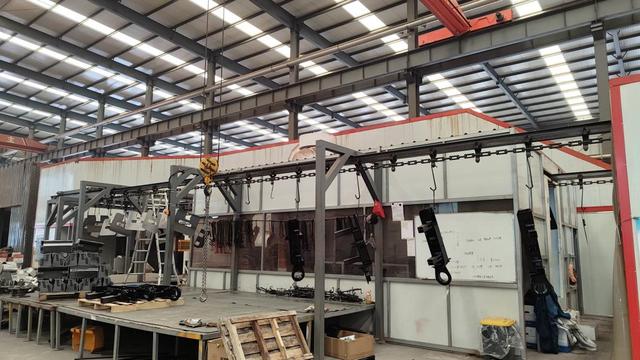
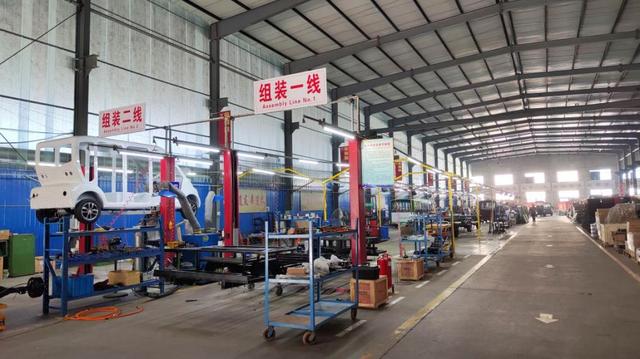
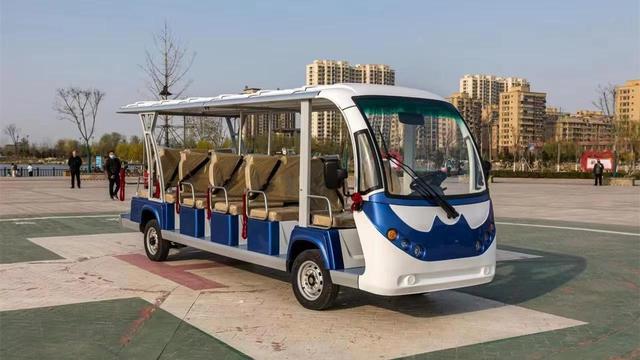
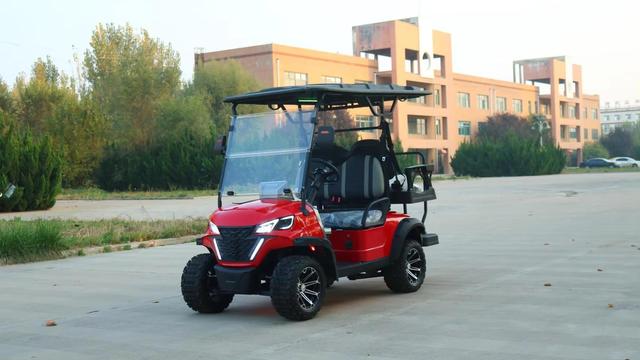
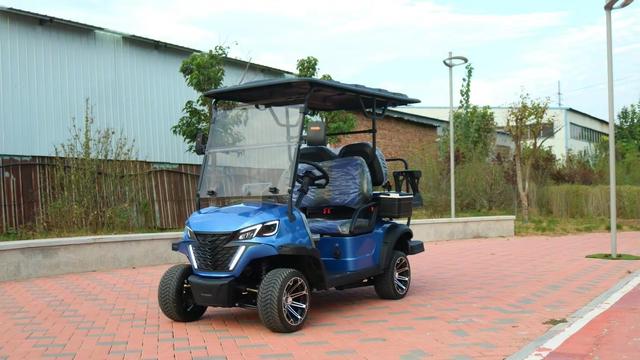
Over the years, GLHF Golf expanded its manufacturing capabilities with advanced production lines, precision assembly workshops, and strict quality control systems. The company continuously improved core technologies such as electric drivetrain efficiency, battery endurance, and vehicle safety performance. At the same time, it developed a diversified product portfolio covering passenger carts, utility carts, and customized fleet solutions for large-scale golf course operations.
Today, Ningbo GLHF Golf Co., Ltd. serves global clients with a strong commitment to innovation, durability, and energy efficiency. With ongoing investment in smart mobility systems and sustainable transportation technologies, the company aims to become a leading international supplier of electric golf cart solutions, delivering high-performance, eco-friendly vehicles for modern golf and leisure industries.
The global low-speed vehicle market is undergoing a significant transition driven by regulatory updates, decarbonization mandates, and total cost of ownership (TCO) optimization. Procurement managers are shifting away from short-term purchases toward long-term fleet investments that feature integrated technology solutions.
Key developments shaping the market include:
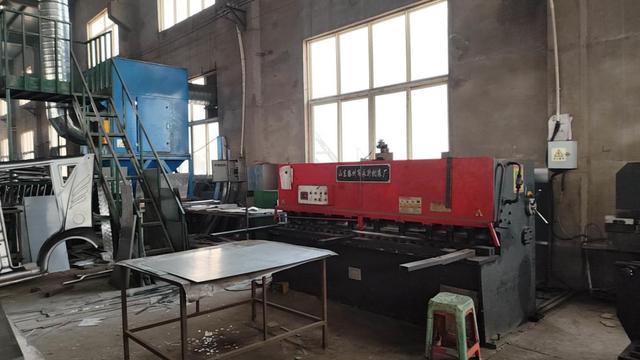
China's electric vehicle manufacturing sector offers significant advantages in supply chain integration, technological development, and cost efficiency. For international buyers, sourcing vehicles from specialized Chinese manufacturers provides access to competitive pricing and robust production capabilities.
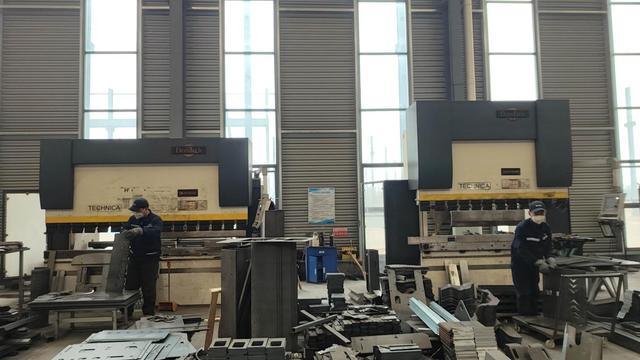
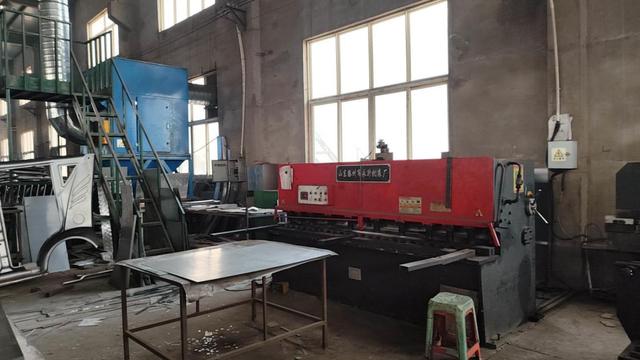
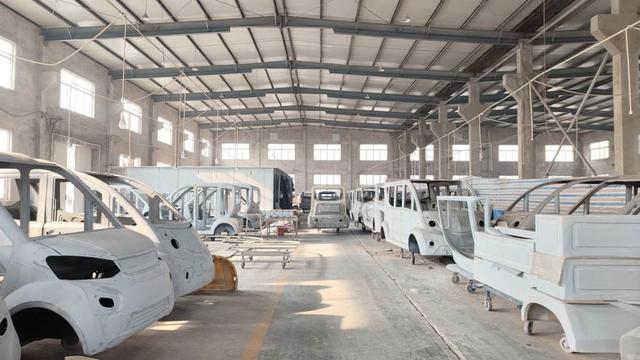
Located in Ningbo, a major deepwater port city, GLHF Golf leverages local industrial resources to optimize production and shipping logistics:
Comprehensive Supply Chain Integration: The proximity to major battery, motor, and controller suppliers reduces material transit times and facilitates rapid prototyping. This integrated ecosystem enables efficient scaling of customized production runs.
Flexible OEM/ODM Customization: Advanced manufacturing setups allow for extensive customization, including modified seating configurations, upgraded suspension setups for rugged terrain, specialized cargo options, and brand-specific color coordination.
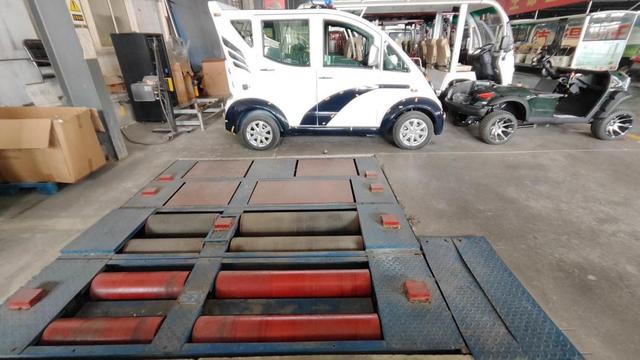
Quality Assurance and Compliance: Modern assembly lines utilize rigorous testing protocols, including dynamometer evaluations, salt spray corrosion testing for metal components, battery cell matching, and simulated road-load analysis to ensure compliance with global import standards (such as CE, DOT, and EEC certifications).
Modern electric utility vehicles must be configured to match the specific demands of their target operating environments. A standardized approach often fails to address localized geographical challenges and varying load requirements.
Requires quiet operation, non-marking tires, luxury passenger seating, and aesthetically pleasing body designs that align with upscale hospitality environments.
Demands upgraded 5kW/7.5kW AC brushless motors, high-output controllers, robust hydraulic braking systems, and automatic hill descent control for safety.
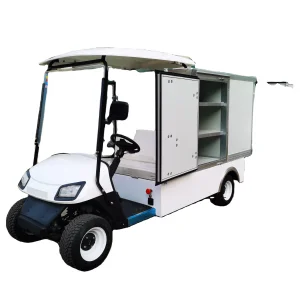
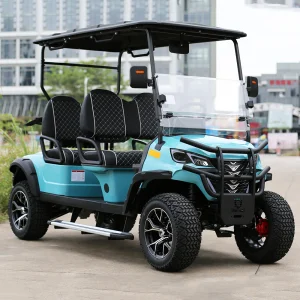
Utilizes heavy-duty leaf spring suspensions, drop-side cargo boxes, high payload capacities, and protective brush guards to handle regular work tasks.
Detailed technical answers to help purchasing managers, distributors, and logistics partners evaluate product specifications and options.
Off-road utility vehicles, multi-passenger shuttles, and specialized transport units.
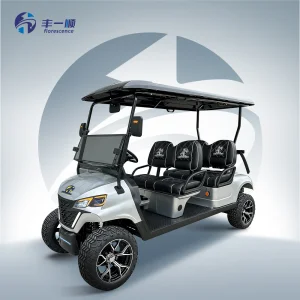
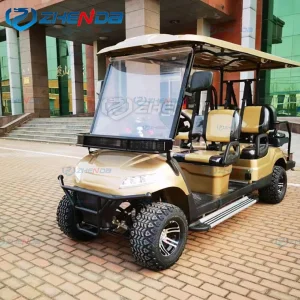
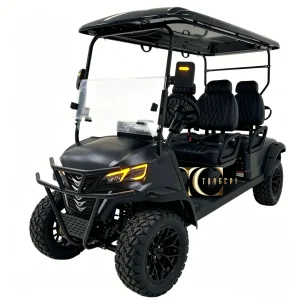
 GLHF Golf