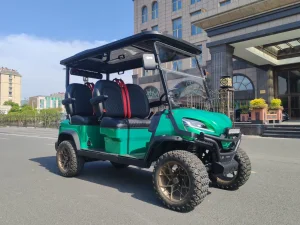
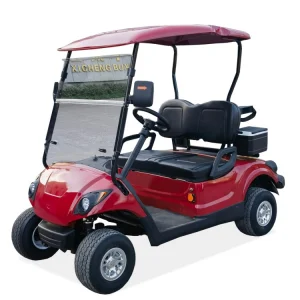
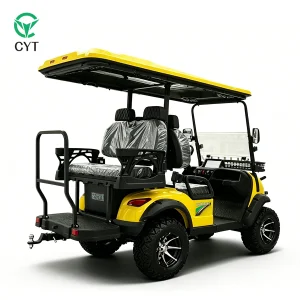
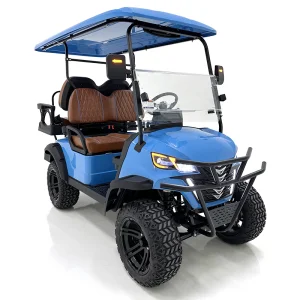
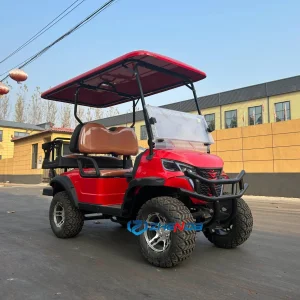
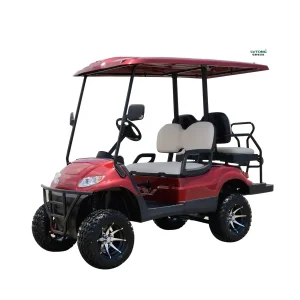
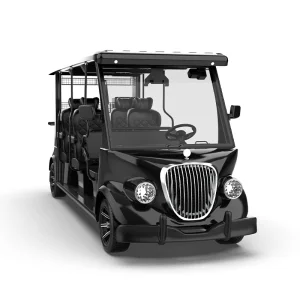
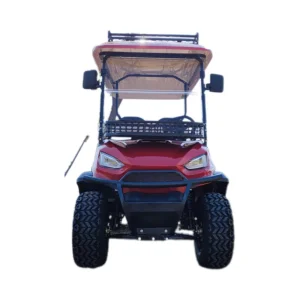
Explore our top-tier manufacturing output tailored for premium resort rentals, commercial facilities, and residential fleet management.
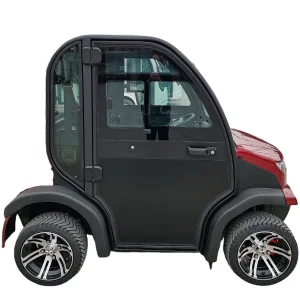
Ningbo GLHF Golf Co., Ltd. stands at the forefront of engineering excellence as a professional manufacturer specializing in high-end electric golf carts, low-speed vehicles (LSVs), and golf course mobility solutions. Our strategic focus centers on the detailed design, development, and high-volume production of state-of-the-art lithium and lead-acid battery-powered golf vehicles. We deliver mission-critical transportation solutions for golf courses, high-end resorts, residential communities, luxury hotels, and commercial properties globally.
Established on a foundation of electric mobility engineering, GLHF Golf began by assembling durable lead-acid battery golf carts for regional markets. Over time, we accumulated invaluable field experience in vehicle chassis optimization, electronic speed controllers, and advanced battery management systems (BMS). Responding to the structural shift in green energy demands, we underwent a rigorous upgrade. We integrated standard-setting lithium iron phosphate (LiFePO4) technologies and completely refitted our assembly lines to conform to strict international safety and road-readiness standards.
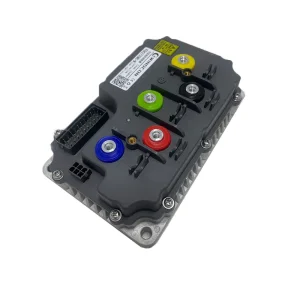
By engineering high-efficiency electric AC motors, advanced marine-grade waterproofing, and high-tensile steel welded structures, Ningbo GLHF Golf Co., Ltd. ensures that fleets operating in rental facilities achieve maximum uptime with minimum total cost of ownership (TCO).
The global golf cart and utility transit market is experiencing an unprecedented structural transformation. Historically confined to traditional 18-hole golf operations, modern low-speed electric vehicles (LSVs) have transcended their legacy use cases. Today, multi-passenger golf buggies represent the primary mode of short-trip micro-mobility within master-planned residential developments, multi-terminal airport hubs, sprawling resort properties, industrial campuses, and large-scale ecotourism attractions.
This shift is driven by three main macro factors: rapid global decarbonization directives, rising urban congestion requiring compact transit solutions, and the massive operational savings offered by electric powertrains over internal combustion engines (ICE). Rental fleet operators, in particular, are focusing heavily on maintenance-free lithium battery conversions. Traditional lead-acid batteries demand regular electrolyte replenishment, have slow charging cycles, and suffer from capacity degradation under harsh thermal conditions. Modern LiFePO4 cells, however, feature active battery management software, allow opportunity charging between rounds, and offer an operating life of over 3,500 full charge cycles.
Corporate procurement directors and commercial buyers manage vehicles based on return on investment (ROI) metrics, uptime reliability, and safety compliance. Evaluating a potential supply partner from China involves looking beyond initial unit costs to inspect engineering specifications, components, and certification records.
Key engineering requirements include:
A single standard golf vehicle model cannot meet the requirements of every commercial sector. True OEM suppliers must provide targeted, sector-specific configurations. Below are the configurations recommended for primary commercial environments:
| Commercial Sector | Primary Fleet Challenges | Recommended Technical Configuration |
|---|---|---|
| Golf Resorts & Clubs | Turf preservation, continuous usage, and simple passenger operation. | 60V-72V lithium battery, low-pressure turf tires, electromagnetic parking brake, and speed limiter. |
| Aviation & Airports | Strict indoor exhaust emission controls, tight turning radius, and luggage storage. | Modular multi-seat configurations (up to 8 seats), integrated rear luggage deck, non-marking tires, and low-speed indoor firmware calibration. |
| Industrial Facilities & Camps | Heavy hauling capabilities, rough terrain, and long-distance operation. | 7.5kW AC motor, lifted independent suspension, rugged steel utility cargo bed, and off-road tires. |
Acquiring utility fleets from a supplier in China requires strict adherence to import laws, local safety certifications, and warranty verification. Navigating this landscape demands clear processes and verified certifications.
At Ningbo GLHF Golf Co., Ltd., we support our global distributors through several compliance protocols:
The next generation of commercial utility golf carts will function as intelligent, connected hubs. Ningbo GLHF Golf Co., Ltd. is focusing its current research and development on several key technological areas:
Developing Level-2 autonomous steering, ultrasonic proximity sensors, and LiDAR setups. This technology enables automated vehicle return in massive luxury resorts and geo-fenced airport corridors.
Integrating real-time cellular transceivers that connect to our cloud systems. Fleet managers receive automatic warnings regarding cell temperature anomalies or localized voltage drops before failure occurs.
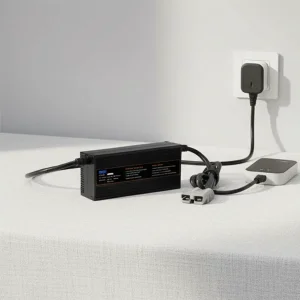
Introducing on-board high-efficiency fast chargers compatible with standard electric vehicle supply equipment (EVSE), reducing charging times from 6 hours to under 90 minutes.
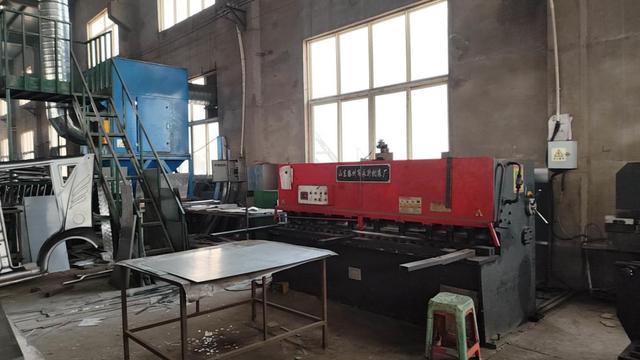
Our modern manufacturing facilities feature precision assembly halls, rigorous electrical testing bays, and advanced product staging areas.
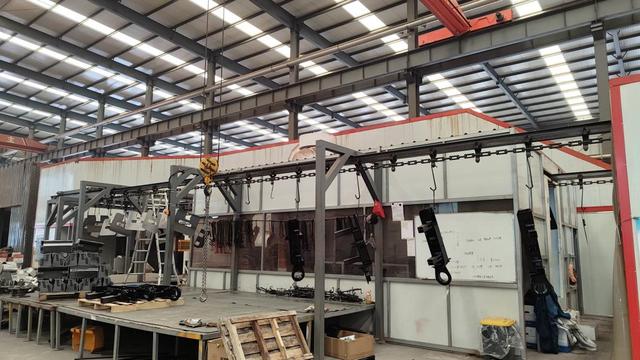
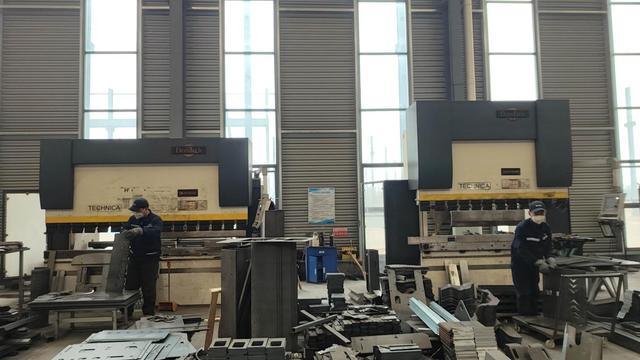
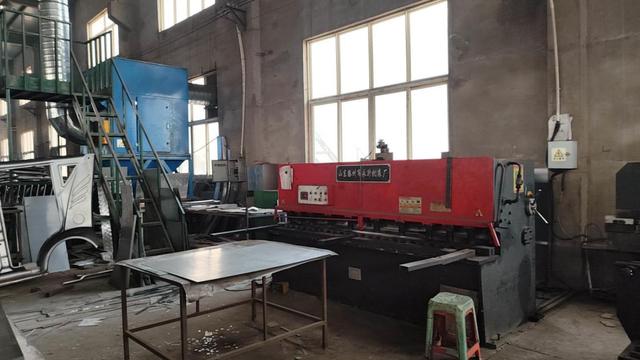
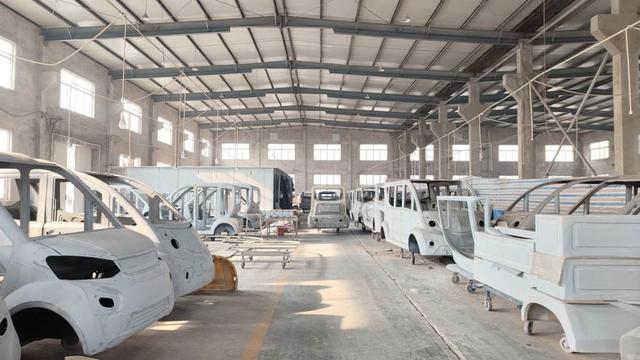
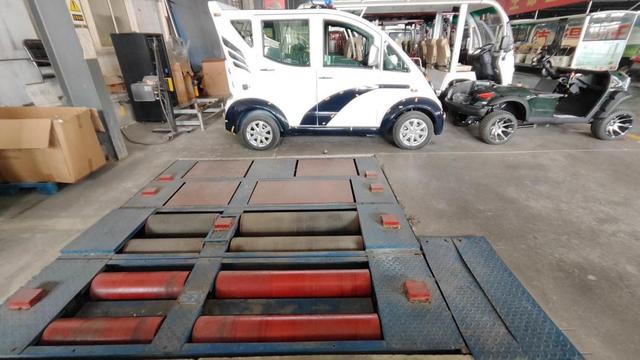
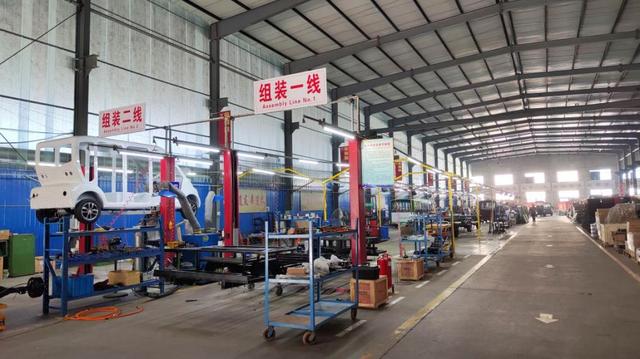
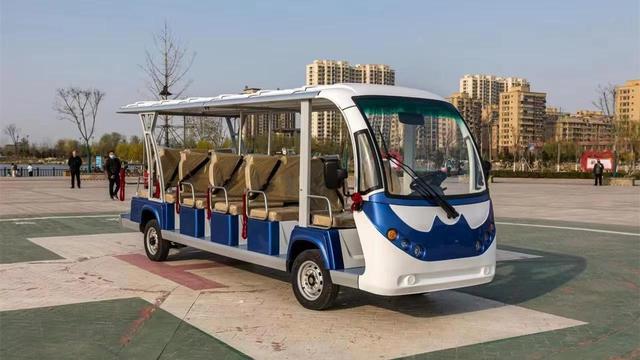
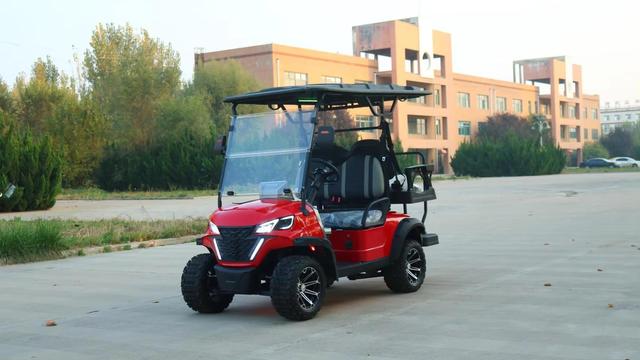
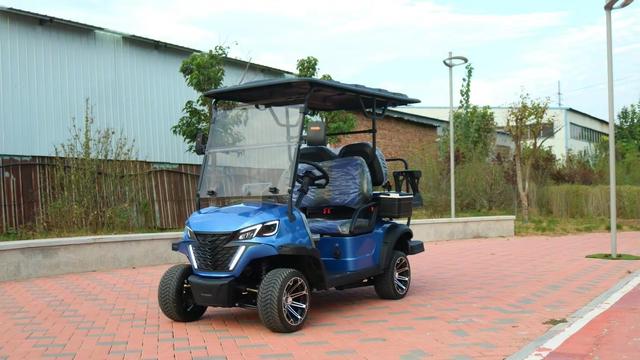
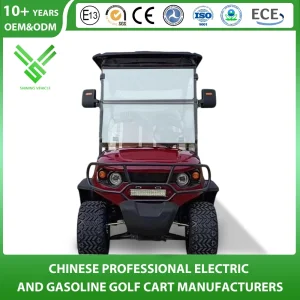
Premium configurations including high-voltage off-road utility models and autonomous pilot fleets.
Crucial compliance, technical parameters, and procurement processes explained for fleet managers.
 GLHF Golf