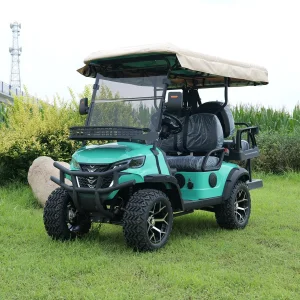
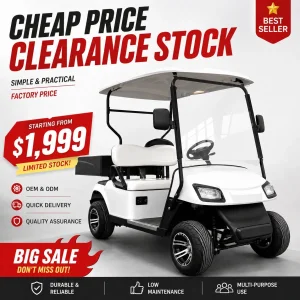
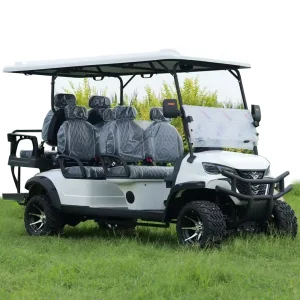
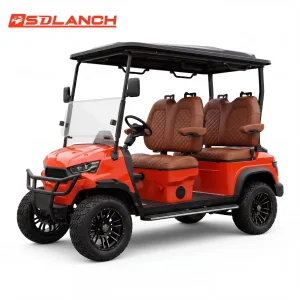
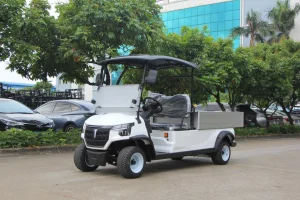
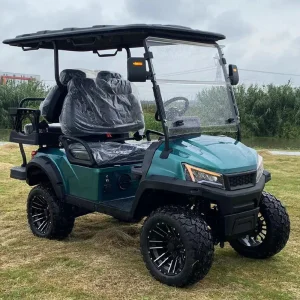
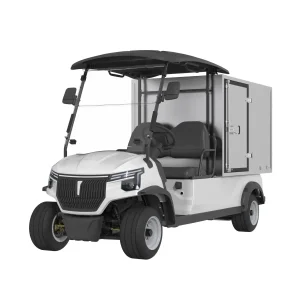
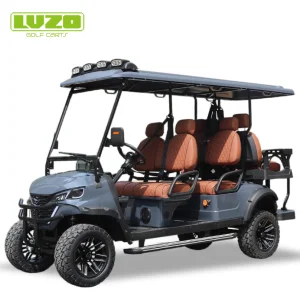
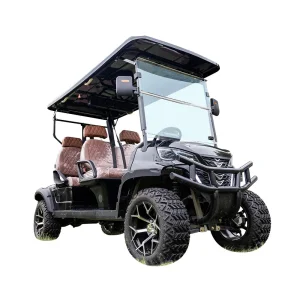
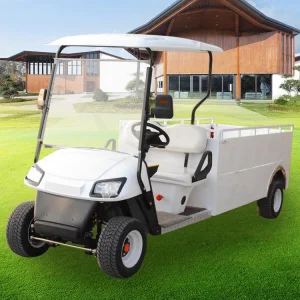
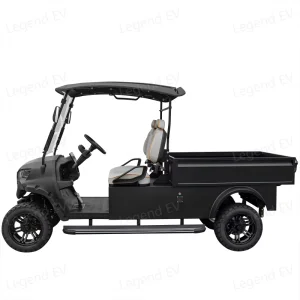
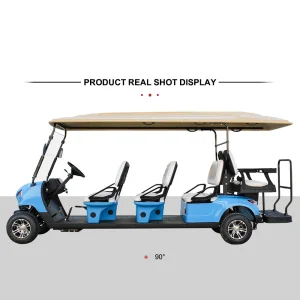
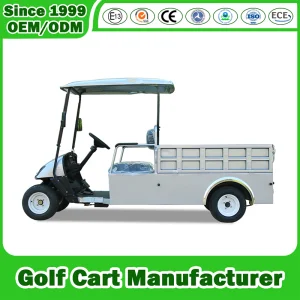
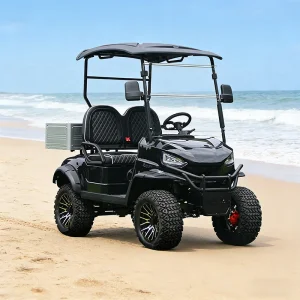
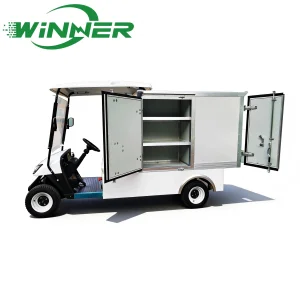
Discover our leading heavy-duty cargo utility golf carts optimized for security patrol, park maintenance, and local logistics management.
An authoritative analysis on adapting electric utility vehicles (UTVs) to overcome local infrastructure, terrain, and economic realities.
Rated Cargo Capacity
High-Voltage AC System
Dust & Water Proofing
LiFePO4 Charge Cycles
South African industrial operations are operating in a demanding economic landscape. The ongoing energy transition, paired with structural grid challenges (load shedding) and the imperative to decrease diesel dependencies, has placed electric mobility at the forefront of operational design. Commercial operations, ranging from the fruit orchards of the Western Cape to the deep mining campuses in the North West and Witwatersrand, are actively replacing internal combustion engine (ICE) support vehicles with advanced electric utility carts.
This shift is driven not only by corporate ESG (Environmental, Social, and Governance) targets but also by severe operational economics. Fuel cost fluctuations inside South Africa, combined with the carbon tax frameworks implemented by SARS, make high-performance electric utility vehicles (UTVs) an economically logical option. However, standard light-duty golf cars fail under the harsh environmental stress of typical South African work sites. Industrial-grade chassis, high-torque AC drivetrains, and smart lithium battery integration are crucial to survival.
"Adapting to the South African market means designing for temperature extremes, high UV exposure, and intermittent charging availability due to local power constraints. Our engineering incorporates advanced smart battery management systems (BMS) with high thermal thresholds to ensure maximum uptime."
Unlike flat American golf fairways, South African applications demand heavy-duty mechanical configurations:
Engineered specifically for agricultural fields, mining corridors, and heavy industrial plant logistics.
An engineering comparison analyzing performance efficiency under high ambient temperatures and intermittent charging availability.
| Performance Parameters | Lithium Iron Phosphate (LiFePO4) (Ningbo GLHF OEM) | Standard Lead-Acid Battery Systems | Operational Impact in South Africa |
|---|---|---|---|
| Thermal Stability Range | Stable up to 60°C (Non-combustible chemistry) | Degrades rapidly above 30°C | Crucial for high-temperature areas like Northern Cape & Limpopo. |
| Service Life Cycle | 3,000+ Full Cycles (Remaining capacity >80%) | Approx. 500–800 Cycles | Ensures 8–10 years of daily operation without replacement. |
| Charging Efficiency | Rapid Charge (0-100% in 2.5 - 3 hours) | Slow Charge (8 - 10 hours required) | Optimized to charge fully between load-shedding stages. |
| DOD (Depth of Discharge) | 90% to 95% usable capacity | 50% recommended limit | Provides 40% more operational range per charge. |
| Maintenance Overhead | Zero maintenance (No watering or venting needed) | High (Requires regular distilled water top-ups) | Reduces labor cost and prevents early battery failure. |
Utilizing high average solar irradiance across South Africa to extend active operating ranges by up to 15km per day through custom-fitted, monocrystalline roof panels.
Fully engineered to support national compliance standards (SABS/NRCS). Ready for homologation to enable road-legal operation within private residential estates, municipal parks, and public properties.
Real-time vehicle health telematics option. Allows operation managers to monitor battery SOC, track vehicle location, and manage geofencing parameters via cloud consoles.
Your reliable global partner in high-quality electric mobility systems and golf course fleet management.
Ningbo GLHF Golf Co., Ltd. is a professional manufacturer specializing in electric golf carts and golf course mobility solutions. The company focuses on the design, development, and production of lithium and lead-acid battery-powered golf vehicles, providing reliable transportation solutions for golf courses, resorts, residential communities, hotels, and commercial facilities worldwide.
Since its establishment, GLHF Golf has built a strong foundation in electric mobility engineering and golf industry applications. In its early stage, the company concentrated on assembling basic lead-acid battery golf carts for domestic markets, gradually gaining experience in vehicle structure optimization and battery management systems. As demand for cleaner and more efficient energy solutions increased, the company entered a rapid development phase, introducing lithium battery technologies and upgrading its product line to meet international standards.
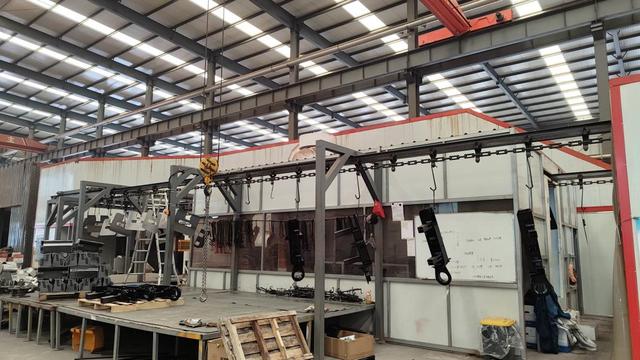
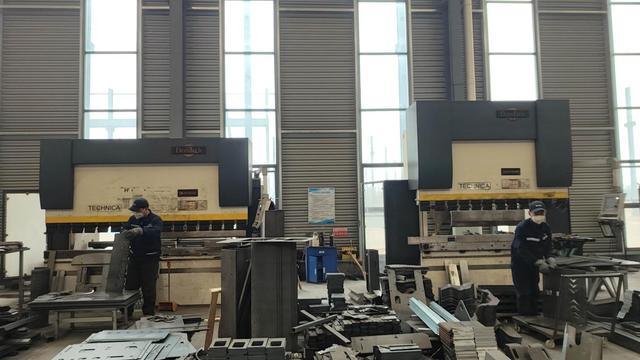
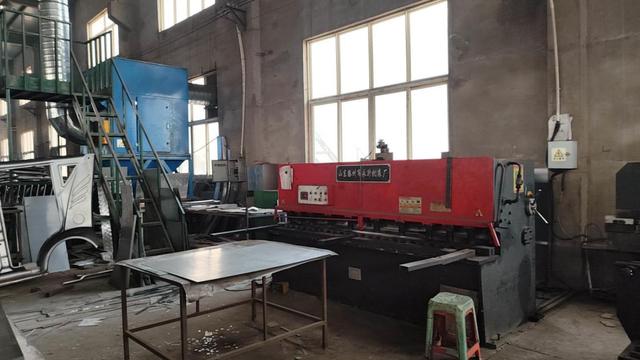
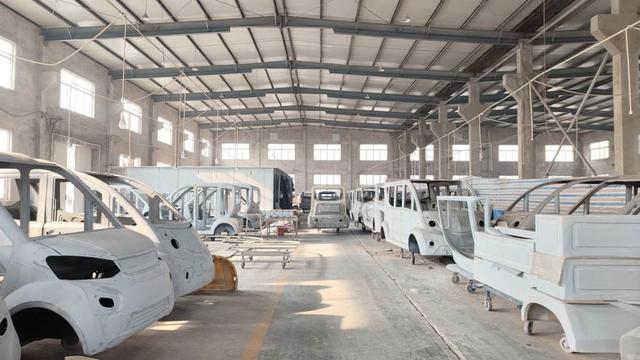
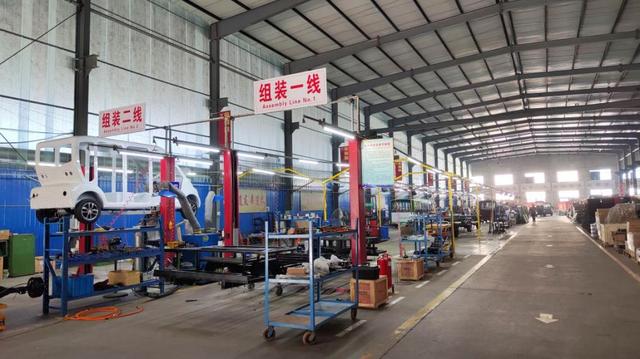
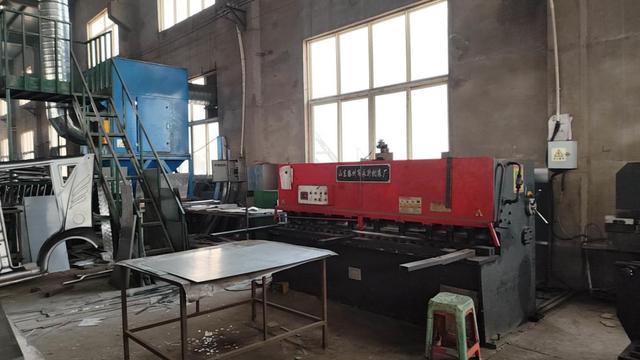
Over the years, GLHF Golf expanded its manufacturing capabilities with advanced production lines, precision assembly workshops, and strict quality control systems. The company continuously improved core technologies such as electric drivetrain efficiency, battery endurance, and vehicle safety performance. At the same time, it developed a diversified product portfolio covering passenger carts, utility carts, and customized fleet solutions for large-scale golf course operations.
Today, Ningbo GLHF Golf Co., Ltd. serves global clients with a strong commitment to innovation, durability, and energy efficiency. With ongoing investment in smart mobility systems and sustainable transportation technologies, the company aims to become a leading international supplier of electric golf cart solutions, delivering high-performance, eco-friendly vehicles for modern golf and leisure industries.
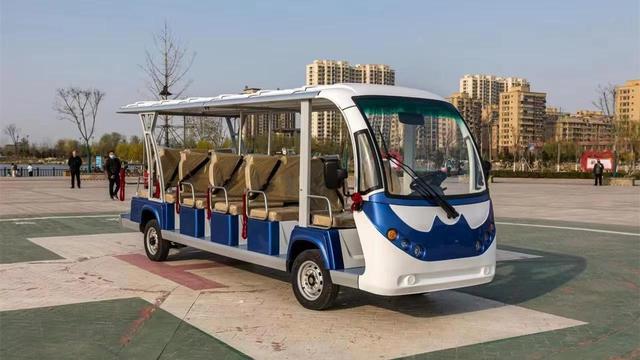
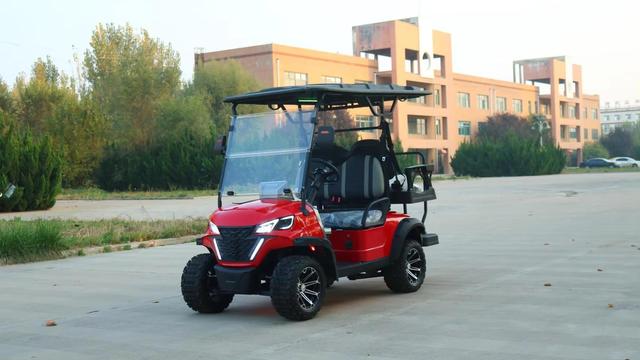
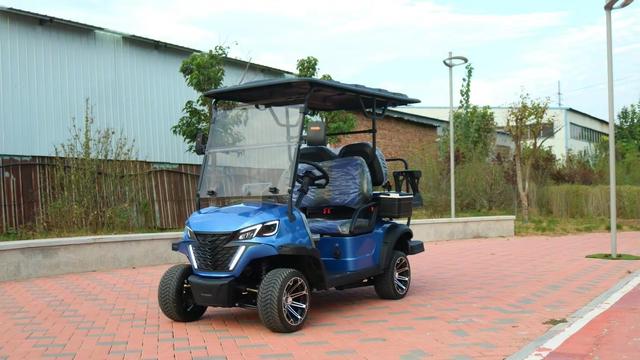
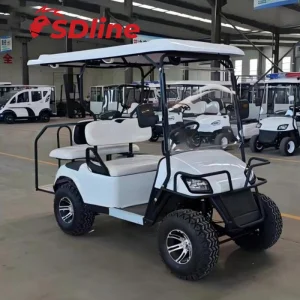
Select from our wide range of electric cargo passenger carts, heavy flatbeds, and multi-purpose off-road utility vehicles.
Get detailed technical answers regarding SABS certification, shipping, customized setups, and lithium battery durability.
 GLHF Golf