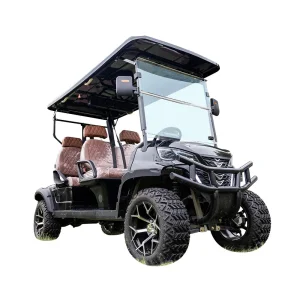
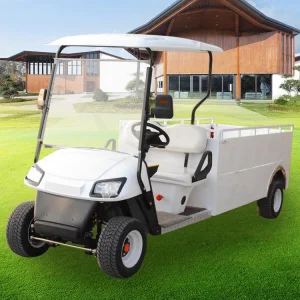
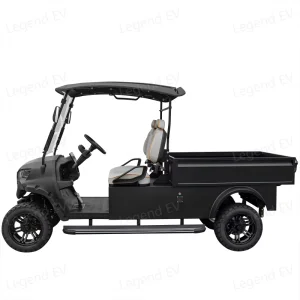
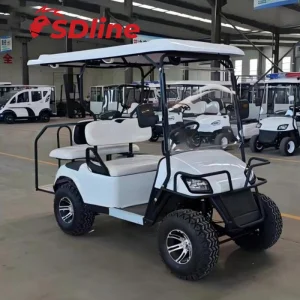
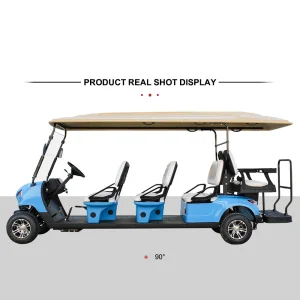
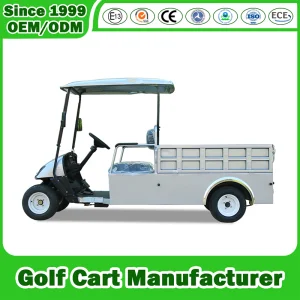
High-performance electric vehicles engineered for reliability, heavy payload transport, and thermal endurance.
The United Arab Emirates represents one of the world's most dynamic markets for commercial electrification. Driven by structural strategies such as the UAE Net Zero by 2050 strategic initiative and Dubai's Clean Energy Strategy, industries across the seven emirates are phasing out traditional internal combustion engine (ICE) utility fleets. From the vast logistics complexes of Jebel Ali Free Zone (JAFZA) to the hyper-luxury resorts on Palm Jumeirah and the eco-centric layouts of Masdar City in Abu Dhabi, cargo utility golf carts have evolved from simple leisure vehicles into indispensable commercial workhorses.
Operating in the Gulf region requires vehicles that can endure extreme environmental conditions. During summer months, ambient temperatures in cities like Dubai and Abu Dhabi routinely exceed 48°C (118°F), accompanied by high relative humidity and fine atmospheric dust. This harsh climate imposes severe stress on lead-acid battery chemistries and standard electric drivetrains. Forward-looking procurement managers are now selecting manufacturers who specialize in climate-resilient lithium power systems, robust thermal management, and heavy-duty structural chassis designs.
Equipped with advanced Battery Management Systems (BMS) featuring thermal cutoffs to prevent overheating during operation in peak Gulf summers.
Hot-dip galvanized steel or premium aluminum frames treated to withstand saline coastal air and intensive industrial washdowns.
Hydraulic braking systems, automatic parking brakes, and integrated lighting systems compliant with local ESMA standards.
Modern fleet managers are demanding more than basic movement; they seek data-integrated transportation assets. The global utility cart market is witnessing a shift towards telemetry-enabled fleets. Incorporating GPS tracking, geofencing (crucial for maintaining speed limits inside crowded resorts and industrial parks), and real-time battery diagnostics allows operations managers in the UAE to monitor performance remotely.
While traditional lead-acid batteries served the market for decades, the total cost of ownership (TCO) calculation has shifted dramatically in favor of Lithium Iron Phosphate (LiFePO4). Under the extreme Arabian sun, lead-acid batteries suffer from accelerated water evaporation, active material degradation, and shorter lifecycles (typically 2-3 years). In contrast, premium LiFePO4 chemistry offers:
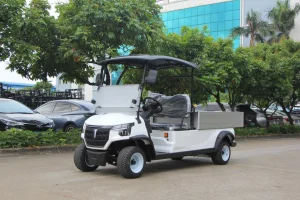
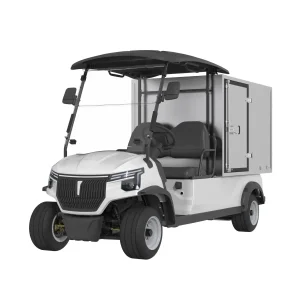
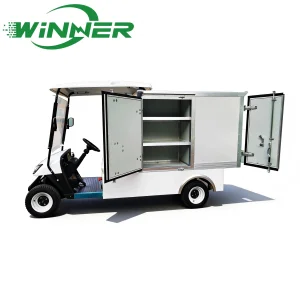
Standard flatbeds are rarely sufficient for highly specialized applications. Exporters must provide flexible configurations, including hydraulic tipping beds for agricultural and construction maintenance, enclosed insulated cargo boxes for catering services, and secure lockable tool cabinets for municipal service technicians working across public parks in Sharjah and Ajman.
Discover how our cargo utility golf carts are customized to serve specific commercial sectors across the Emirates.
Used by elite resorts on Palm Jumeirah and Saadiyat Island. Standardized with whisper-quiet AC motors, non-marking turf tires, and elegant drop-side cargo beds to transport guest luggage, laundry, and catering services without disrupting the tranquil guest experience.
Engineered for high-duty cycles in JAFZA, KIZAD, and DAFZA. Equipped with high-torque 5kW motors, heavy payload capacities (up to 800kg), and hydraulic tippers to handle cargo, manufacturing components, and heavy tools over concrete and paved yards.
Deployed in carbon-neutral developments such as Masdar City and Sustainable City Dubai. These zero-emission LSVs (Low-Speed Vehicles) assist facility management teams in municipal waste collection, landscaping, and safety patrols.
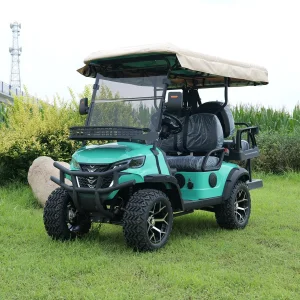
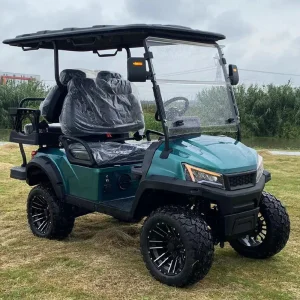
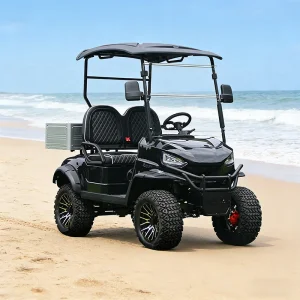
Configured with raised suspensions, all-terrain tires, and robust rear-wheel-drive or 4x4 drivetrains. They excel in Al Ain agricultural estates, eco-desert resorts, and equestrian facilities, navigating sand-gravel pathways with ease.
Ningbo GLHF Golf Co., Ltd. is a professional manufacturer specializing in electric golf carts and golf course mobility solutions. The company focuses on the design, development, and production of lithium and lead-acid battery-powered golf vehicles, providing reliable transportation solutions for golf courses, resorts, residential communities, hotels, and commercial facilities worldwide.
Since its establishment, GLHF Golf has built a strong foundation in electric mobility engineering and golf industry applications. In its early stage, the company concentrated on assembling basic lead-acid battery golf carts for domestic markets, gradually gaining experience in vehicle structure optimization and battery management systems. As demand for cleaner and more efficient energy solutions increased, the company entered a rapid development phase, introducing lithium battery technologies and upgrading its product line to meet international standards.
Over the years, GLHF Golf expanded its manufacturing capabilities with advanced production lines, precision assembly workshops, and strict quality control systems. The company continuously improved core technologies such as electric drivetrain efficiency, battery endurance, and vehicle safety performance. At the same time, it developed a diversified product portfolio covering passenger carts, utility carts, and customized fleet solutions for large-scale golf course operations.
Today, Ningbo GLHF Golf Co., Ltd. serves global clients with a strong commitment to innovation, durability, and energy efficiency. With ongoing investment in smart mobility systems and sustainable transportation technologies, the company aims to become a leading international supplier of electric golf cart solutions, delivering high-performance, eco-friendly vehicles for modern golf and leisure industries.
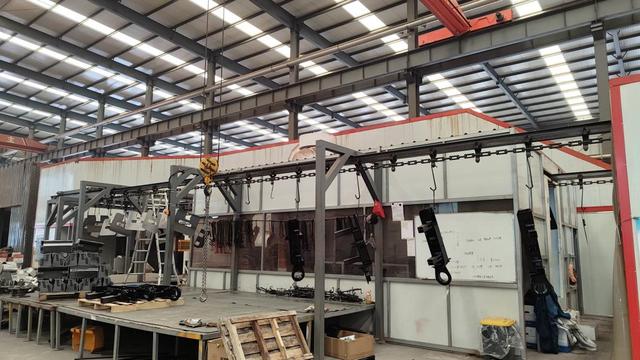
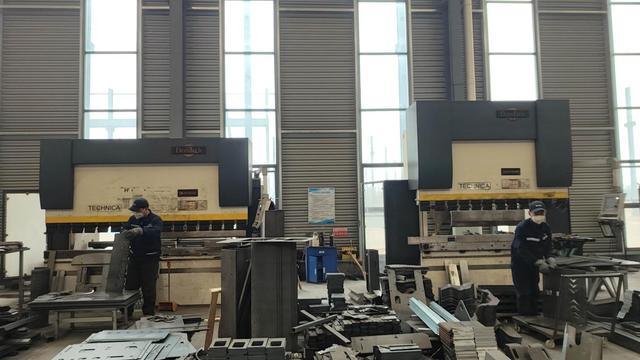
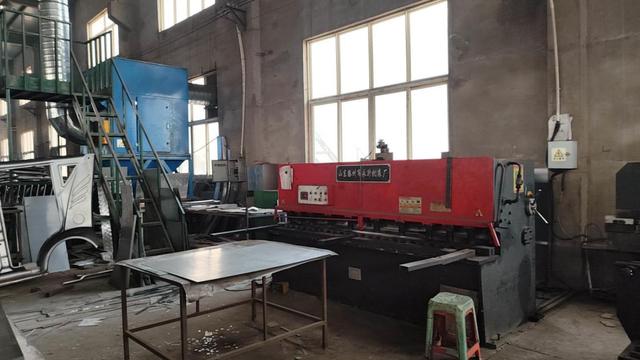
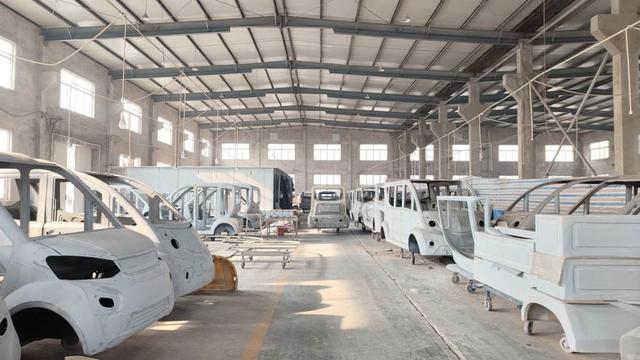
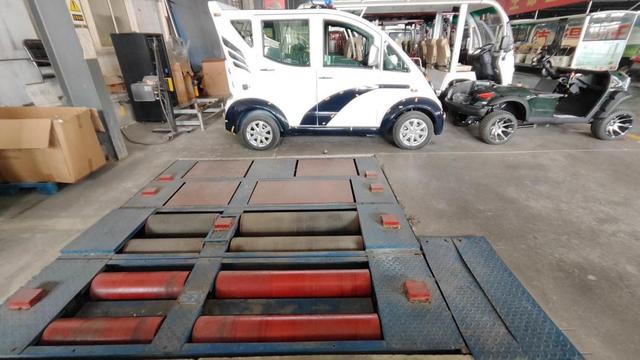
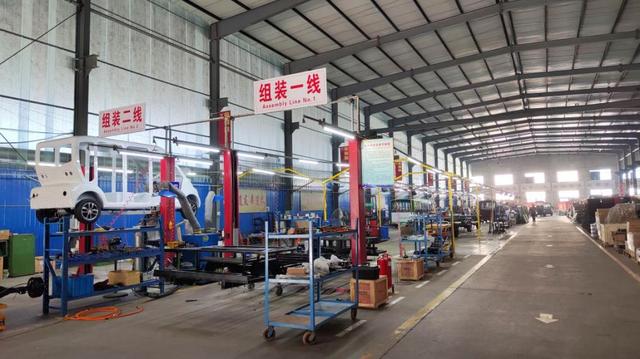
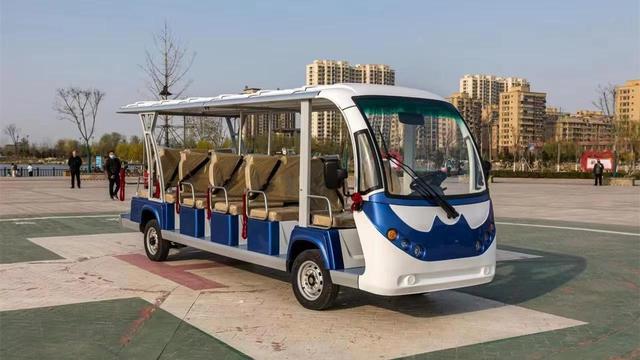
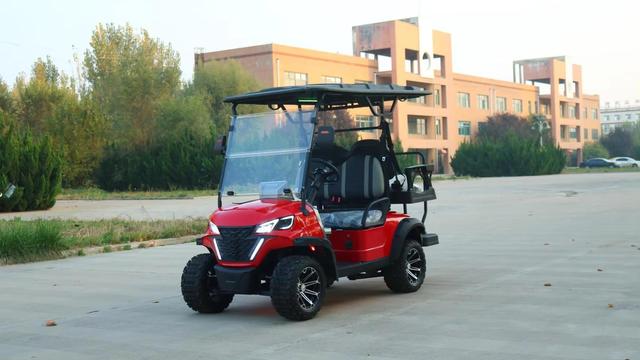
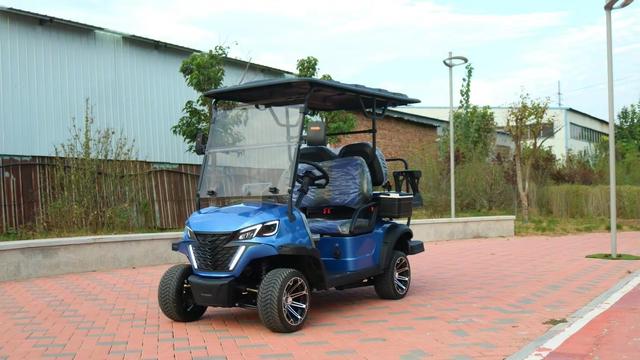
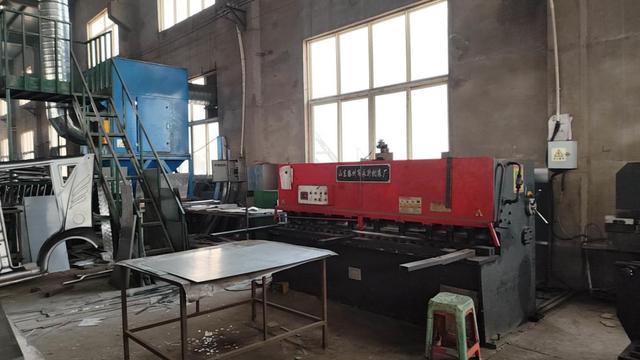
Ningbo's strategic coastal location provides significant logistical advantages for global export. Leveraging Ningbo-Zhoushan Port, the world's busiest port by cargo tonnage, GLHF Golf ensures streamlined shipping routes to Jebel Ali Port in Dubai, minimizing freight lead times and optimizing shipping costs.
Our manufacturing philosophy is rooted in Industry 4.0 principles, integrating precision automated processes to ensure consistent vehicle safety and longevity:
Select from our extensive, high-performance product range designed to optimize your commercial operations.
Technical clarifications, compliance guidelines, and procurement policies for buyers in the UAE.
Optimize your resort, logistics hub, or industrial facility with our high-durability electric cargo utility golf carts. Receive a custom configuration analysis and a competitive quote from our engineering division.
Send Inquiry Now GLHF Golf