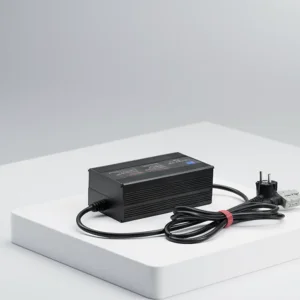
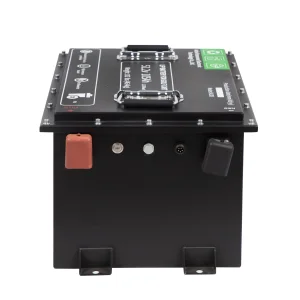
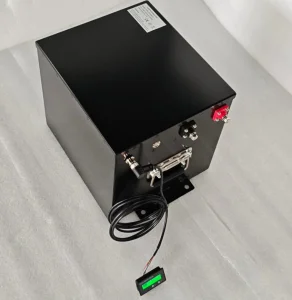
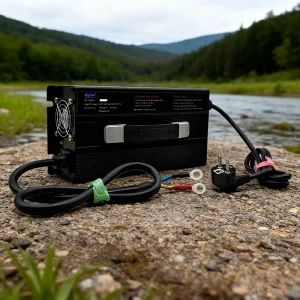
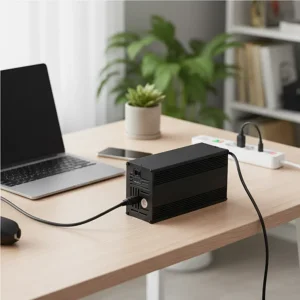
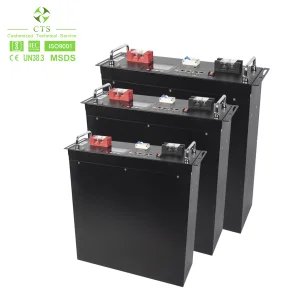
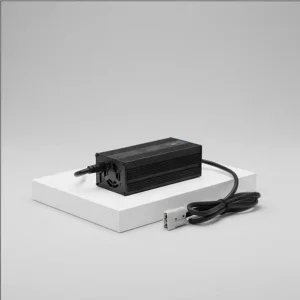
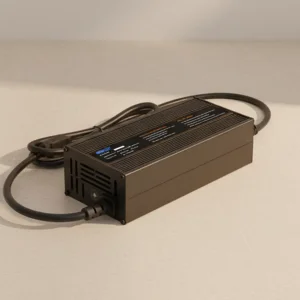
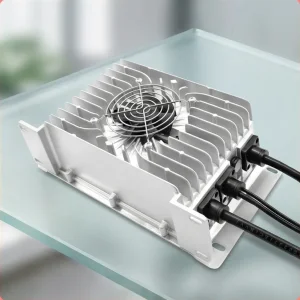
Engineered for extreme performance, these showcase configurations are tailored specifically for golf course fleets, marine applications, and off-grid utility operations across Canada.
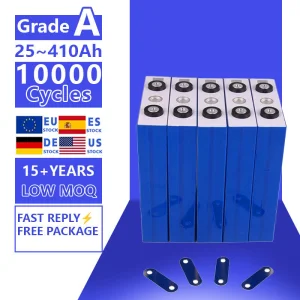
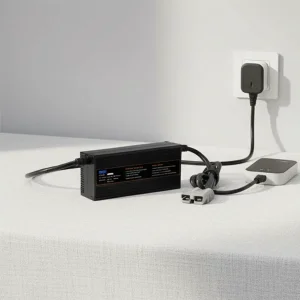
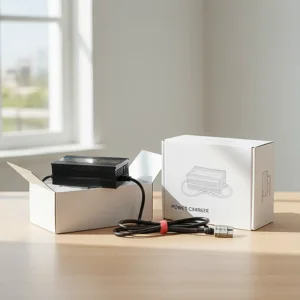
An in-depth analysis of energy transitions, compliance frameworks, and environmental challenges within Canada’s light electric vehicle infrastructure.
Across Canada, from the golf clubs of British Columbia to the vast resort networks in Ontario and Quebec, the demand for clean-energy industrial transport has surged. Fleet operators are discarding legacy lead-acid configurations in favor of lithium-iron-phosphate (LiFePO4) chemistries. This market transition is propelled by two forces: Canada’s rigorous net-zero emissions mandates and the economic advantages of LiFePO4 technologies in fleet lifecycle management.
Canada’s diverse geography demands energy storage solutions that can withstand winter temperatures without compromising stability. Standard lithium-ion formulations (such as NMC) run higher risks of thermal runaway under mechanical stress. LiFePO4 offers intrinsic crystal structure stability, eliminating fire hazards even under physical impacts. In addition, our Canadian-spec batteries feature built-in smart BMS systems that balance cell-level voltage and control automatic pre-heating during charging sequences. This avoids the destructive plating of lithium cells that typically occurs when charging below freezing.
Importing battery packs into Canada requires strict adherence to international safety metrics. Operators must comply with standards like CSA C22.2 No. 2580 for batteries used in electric vehicles and UN38.3 safety certifications for safe shipping. Our industrial setups, ranging from 48V drop-in replacements to custom 96V deep-cycle configurations, undergo cell testing and structural evaluations to ensure compliance at the border, avoiding costly regulatory clearance delays.
| Parameter / Metric | Lead-Acid Systems | GLHF LiFePO4 Systems | Operational Value Add |
|---|---|---|---|
| Lifespan (Cycles) | 300 - 500 | 3,500 - 6,000 | Reduces fleet capital expenditure by 5x |
| Charging Duration | 8 - 10 Hours | 1.5 - 2.5 Hours | Maximizes vehicle utilization rates |
| Weight (48V Pack) | Approx. 150 kg | Approx. 45 kg | Less turf compaction and wear on mechanical parts |
| Self-Heating Elements | None | Integrated BMS Controlled | Guarantees charge cycle integrity in Canadian winters |
Establishing a robust supply line requires direct access to materials and efficient international shipping logistics. Our manufacturing center in Ningbo sits near the Port of Ningbo-Zhoushan, enabling streamlined transit directly to the Port of Vancouver and East Coast Canadian hubs like Montreal.
By bypassing multiple layers of intermediaries, Canadian fleet buyers benefit from custom structural designs, tailored harness configurations, and factory-level calibration. This ensures that every battery module is pre-balanced and matched to the specific motor controller draw profiles of major golf and industrial vehicle fleets (including EZ-GO, Club Car, Yamaha, and custom utility platforms).
A global leader in high-performance electric golf vehicles, integrated powertrains, and resilient energy systems.
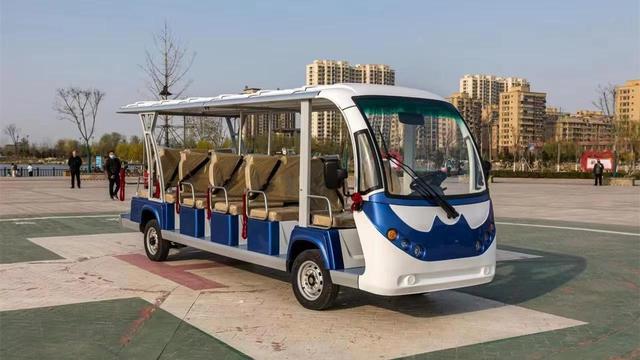
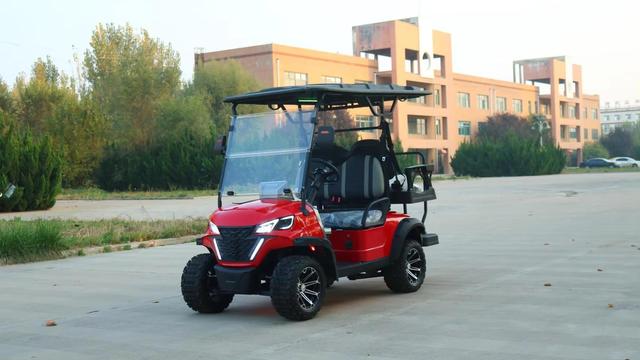
Ningbo GLHF Golf Co., Ltd. is a professional manufacturer specializing in electric golf carts and golf course mobility solutions. The company focuses on the design, development, and production of lithium and lead-acid battery-powered golf vehicles, providing reliable transportation solutions for golf courses, resorts, residential communities, hotels, and commercial facilities worldwide.
Since its establishment, GLHF Golf has built a strong foundation in electric mobility engineering and golf industry applications. In its early stage, the company concentrated on assembling basic lead-acid battery golf carts for domestic markets, gradually gaining experience in vehicle structure optimization and battery management systems. As demand for cleaner and more efficient energy solutions increased, the company entered a rapid development phase, introducing lithium battery technologies and upgrading its product line to meet international standards.
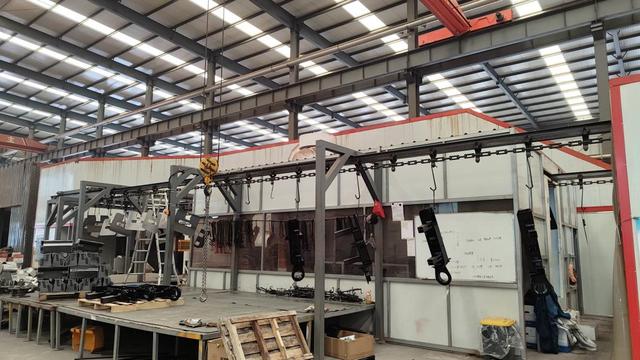
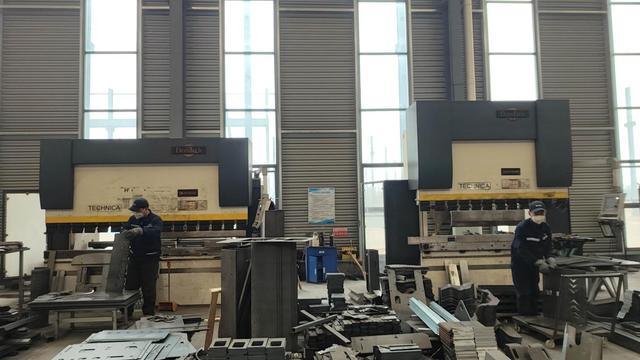
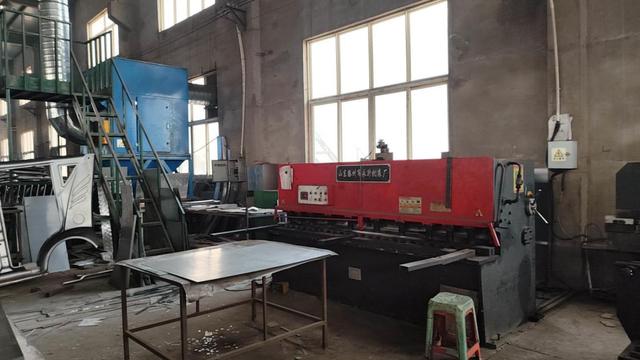
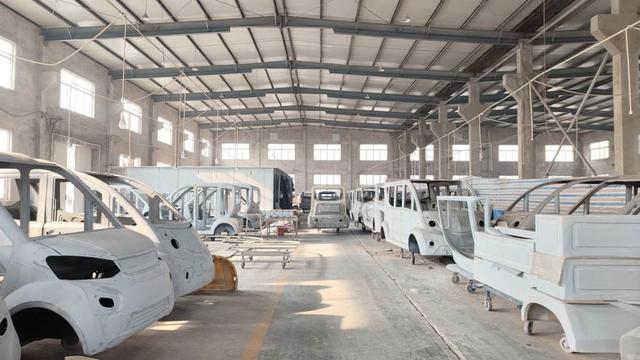
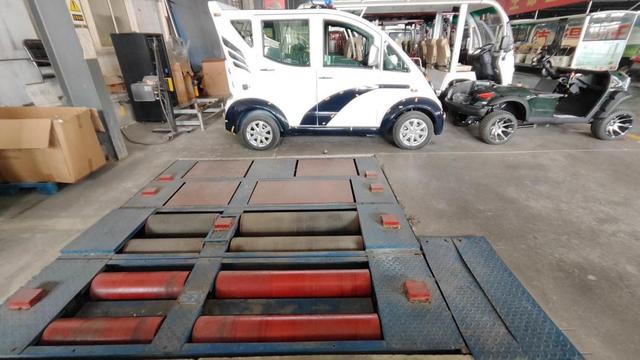
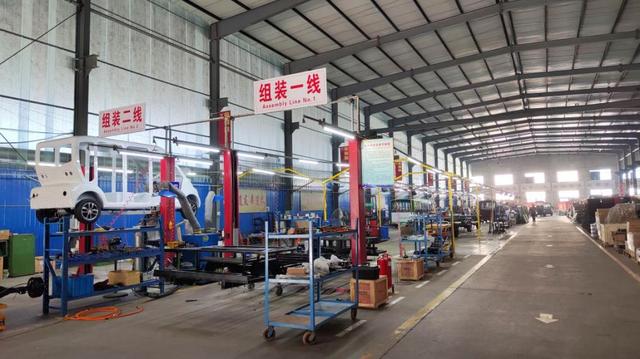
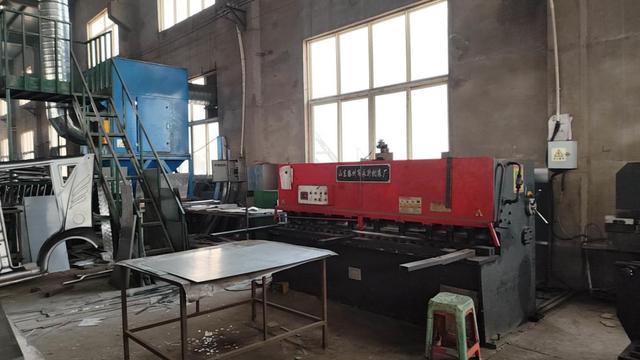
Over the years, GLHF Golf expanded its manufacturing capabilities with advanced production lines, precision assembly workshops, and strict quality control systems. The company continuously improved core technologies such as electric drivetrain efficiency, battery endurance, and vehicle safety performance. At the same time, it developed a diversified product portfolio covering passenger carts, utility carts, and customized fleet solutions for large-scale golf course operations.
Today, Ningbo GLHF Golf Co., Ltd. serves global clients with a strong commitment to innovation, durability, and energy efficiency. With ongoing investment in smart mobility systems and sustainable transportation technologies, the company aims to become a leading international supplier of electric golf cart solutions, delivering high-performance, eco-friendly vehicles for modern golf and leisure industries.
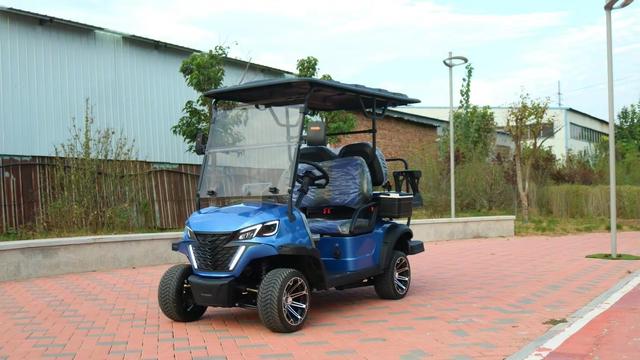
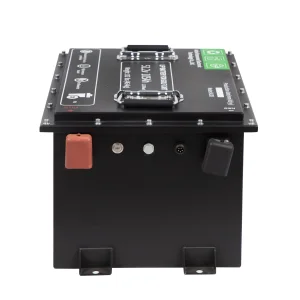
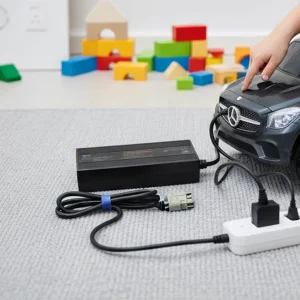
Explore our complete product catalog, featuring high-voltage traction packs, IP-rated industrial chargers, and off-grid hybrid power modules built for heavy industrial and recreational use.
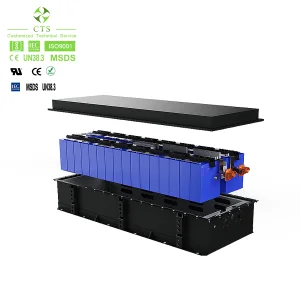
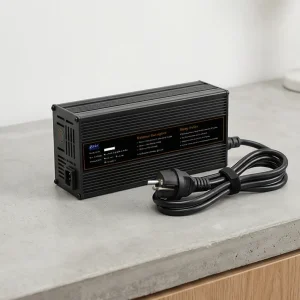
In-depth responses regarding compliance, performance under cold conditions, fleet deployment, and customized configurations.
 GLHF Golf