Explore high-performance electric vehicles designed for tough terrain, remote operations, and utility optimization.
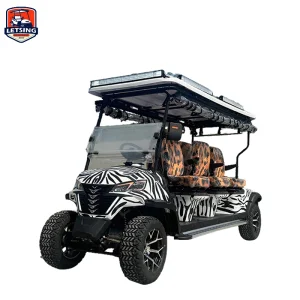
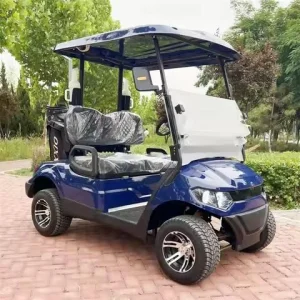
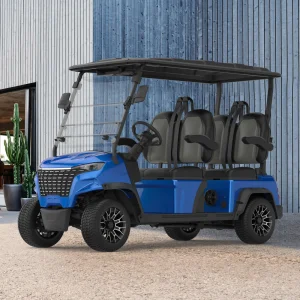

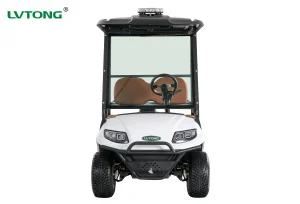
Deep dive into off-road micro-mobility trends, regulatory forces, and economic tailwinds driving demand in the enterprise space.
The global electric vehicle sector is undergoing a profound structural shift, transitioning from road-bound transportation towards highly specialized, niche applications. At the vanguard of this micro-mobility movement is the high-performance Electric Off-Road Golf Cart market. Once regarded purely as luxury transport for elite fairways, off-road utility carts are now integral to large-scale infrastructure, eco-tourism projects, modern agriculture, and industrial operations worldwide.
This surge in commercial adoption is propelled by three primary catalysts: the global commitment to net-zero carbon operations, the economic advantages of lithium-ion powertrains over internal combustion engines, and regulatory shifts in urban and suburban environments. As commercial entities attempt to future-proof their operations against tightening emission standards, electric off-road fleets offer a pragmatic pathway toward zero-emission logistics without compromising payload, range, or structural durability.
Direct alignment with ESG standards allows resorts and municipalities to phase out loud, high-maintenance combustion engines in favor of silent, zero-emission vehicles.
By eliminating liquid fuels and reducing moving engine parts, fleet operators realize up to a 60% reduction in lifetime maintenance overheads.
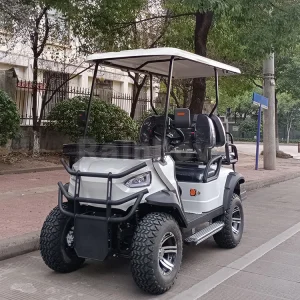
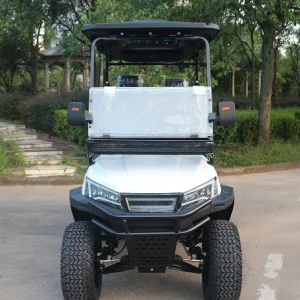
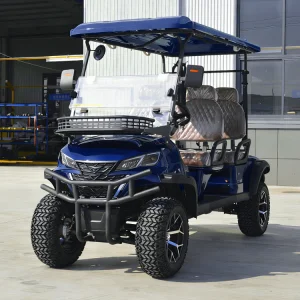
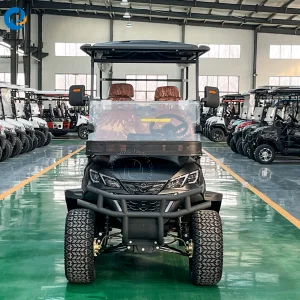
Equipped with specialized heavy-duty dual-A-arm suspension, higher ground clearances, and high-torque AC motors, these vehicles master rocky trails, sand dunes, and muddy farmlands.
How regional buyers adapt off-road electric golf carts to unique environmental, infrastructural, and geographic demands.
Terrain profile, regional climate, and hyper-local regulations dictate how electric off-road carts are optimized. Understanding these localized application scenarios is vital for global importers tailoring inventory to local markets:
Luxury resort properties in regions like the Alps, Rocky Mountains, or the Caribbean demand quiet, reliable, and premium transportation. For these clients, noise pollution is as critical as exhaust emissions. Electric golf carts upgraded with solar panels are deployed here, ensuring continuous trickle-charging under the sun. The combination of off-road tires and advanced suspension permits seamless transit across steep mountain inclines, sandy coastal pathways, and manicured club grounds without tearing up turf or generating disruptive engine noise.
In agricultural settings, especially boutique vineyards, orchards, and poultry farms, traditional heavy tractors are often too destructive to crops and soil structures, while manual labor is too slow. Specialized farm-use cargo golf carts equipped with self-dumping beds serve as agile utility workhorses. Their relatively light footprint protects topsoil from compaction, while the instant torque profile of the electric drivetrain ensures they can haul harvested goods, fertilizers, and tools up slopes in damp conditions.
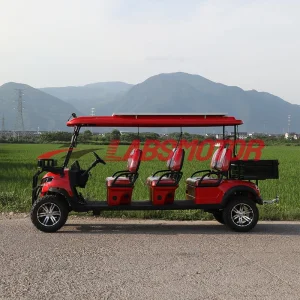
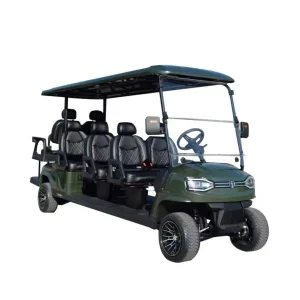
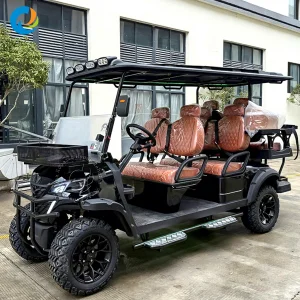
For extensive industrial facilities, dry docks, and sprawling residential master-planned communities, security and maintenance personnel must cover wide distances rapidly. Standard street-legal LSVs (Low-Speed Vehicles) with multi-functional capabilities—such as integrated audio setups for public announcements, dynamic headlights, and modular utility boxes—enable fast response times and efficient patrol capabilities. Carts configured as 4, 6, or 8-seaters facilitate the high-frequency passenger transit required for large-scale operations.
Pioneering electric mobility engineering and custom utility vehicle manufacturing from the heart of China's industrial hubs.
Ningbo GLHF Golf Co., Ltd. is a professional manufacturer specializing in electric golf carts and golf course mobility solutions. The company focuses on the design, development, and production of lithium and lead-acid battery-powered golf vehicles, providing reliable transportation solutions for golf courses, resorts, residential communities, hotels, and commercial facilities worldwide.
Since its establishment, GLHF Golf has built a strong foundation in electric mobility engineering and golf industry applications. In its early stage, the company concentrated on assembling basic lead-acid battery golf carts for domestic markets, gradually gaining experience in vehicle structure optimization and battery management systems. As demand for cleaner and more efficient energy solutions increased, the company entered a rapid development phase, introducing lithium battery technologies and upgrading its product line to meet international standards.
Over the years, GLHF Golf expanded its manufacturing capabilities with advanced production lines, precision assembly workshops, and strict quality control systems. The company continuously improved core technologies such as electric drivetrain efficiency, battery endurance, and vehicle safety performance. At the same time, it developed a diversified product portfolio covering passenger carts, utility carts, and customized fleet solutions for large-scale golf course operations.
Today, Ningbo GLHF Golf Co., Ltd. serves global clients with a strong commitment to innovation, durability, and energy efficiency. With ongoing investment in smart mobility systems and sustainable transportation technologies, the company aims to become a leading international supplier of electric golf cart solutions, delivering high-performance, eco-friendly vehicles for modern golf and leisure industries.
Decoupling manufacturing bottlenecks through localized industrial clustering, raw material accessibility, and advanced QC systems.
The manufacturing supremacy of Ningbo-based factories in the electric vehicle (EV) domain is a direct consequence of mature industrial clusters. Ningbo is strategically situated at the epicenter of China’s advanced metalworking, electronics manufacturing, and battery cell development ecosystems. This geographical advantage provides GLHF Golf with an unparalleled supply chain buffer, insulating production schedules from international component shortages and logistics blockages.
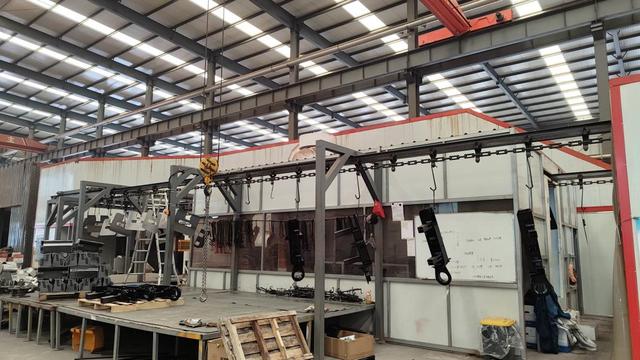
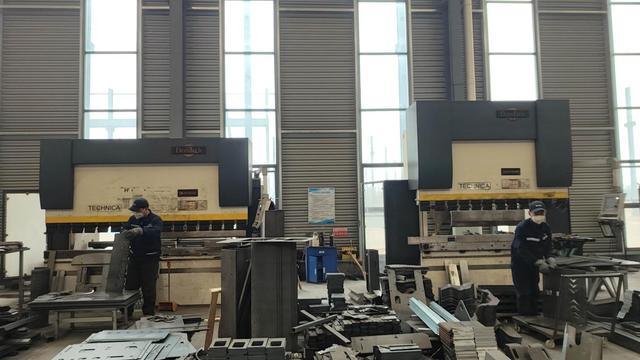
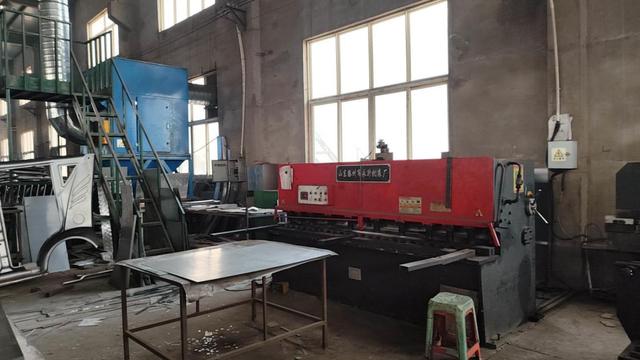
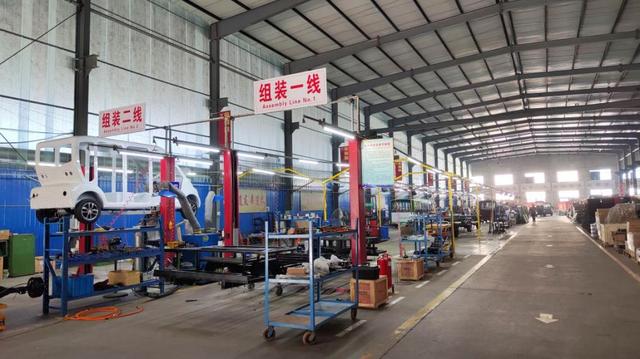
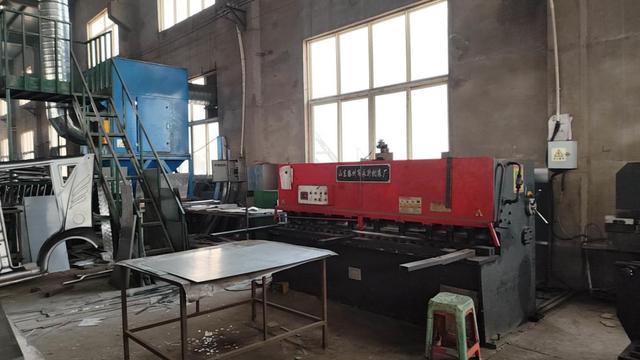
From structural design to final assembly, the production pipeline utilizes precision laser-cutting machines, automated robotic welding stations, and computer-guided powder-coating lines. This level of automation minimizes human error in frame structural alignment, guaranteeing that every off-road cart chassis survives the shear stresses of rugged, uneven terrain. Furthermore, the integration of premium local battery suppliers permits custom energy configurations, such as high-density LiFePO4 battery banks and smart BMS architectures designed to balance heat dissipation and charge cycles.
Importantly, Ningbo Port, being one of the world's busiest deep-water ports, offers direct, efficient shipping routes to key global markets in North America, Europe, Australia, and South America. This local shipping advantage drastically reduces freight transit times and minimizes domestic transport costs, yielding a lower landed cost per unit for global B2B procurement partners.
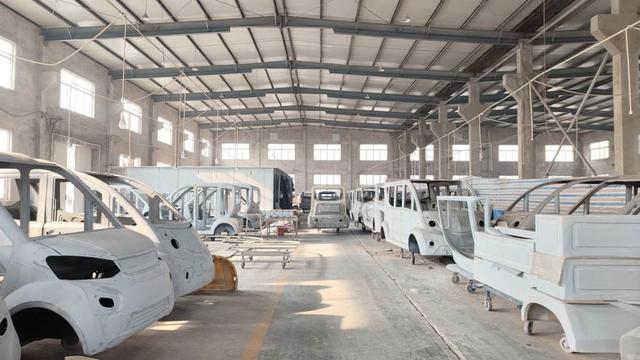
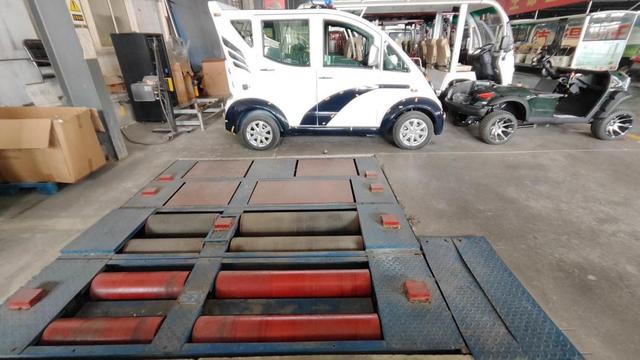
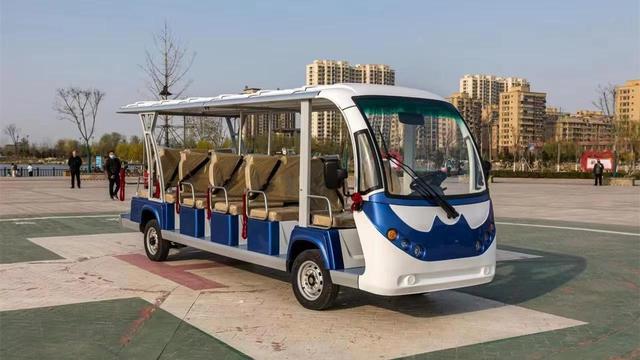
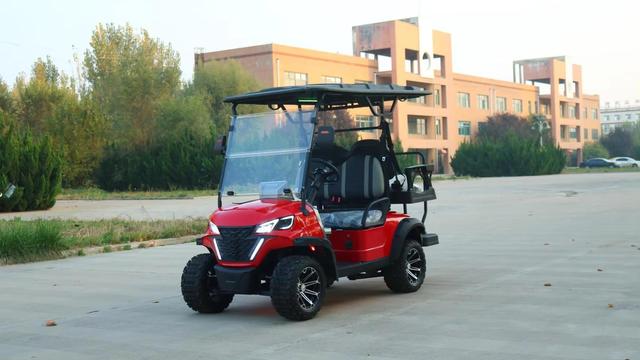
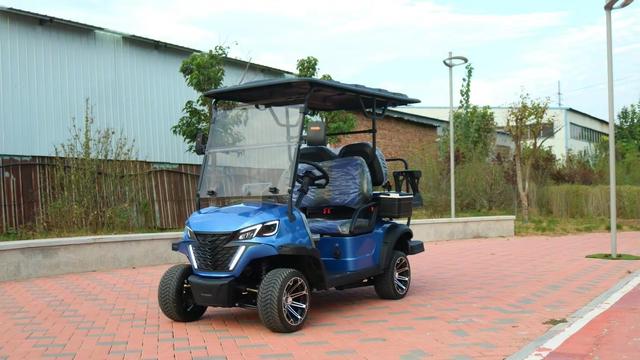
Below is a visual overview of GLHF's modern manufacturing facilities, frame stress-testing rigs, assembly lines, and export-ready fleet preparation zones:
An engineering perspective on battery chemistry transition, powertrain designs, and IoT-driven smart fleet automation.
As off-road mobility requirements become increasingly demanding, engineering solutions must evolve in tandem. Our technical roadmap focuses on optimizing three key pillars of off-road vehicle performance: energy density, structural integrity, and telemetry.
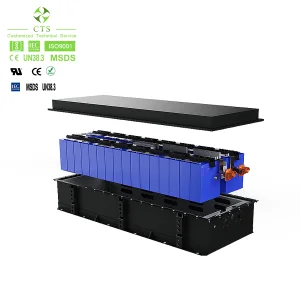
We have phased out traditional lead-acid batteries in favor of high-capacity Lithium Iron Phosphate (LiFePO4) systems. These modular packs provide over 3,500 charge cycles, run efficiently in extreme temperature windows (-20°C to 60°C), and communicate diagnostic data in real-time through localized CAN-bus systems to prevent thermal runaway and cell degradation.
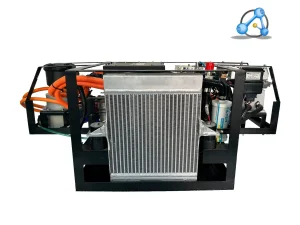
For remote applications where grid-based charging is unavailable, we are deploying integrated solar roof arrays that provide constant trickle-charging to extend daily range by up to 30%. Concurrently, we are developing and test-integrating 2kW to 10kW hydrogen fuel cell systems, offering instant refueling cycles for continuous-duty industrial operations.
Future iterations of our off-road vehicles will come standard with cloud-enabled IoT telemetry modules. Fleet managers will be able to monitor vehicle diagnostics, geofence operating areas, track real-time locations, and review structural stress reports through a unified control dashboard. Early-stage testing is also underway for low-speed autonomous pathing, designed for predictable farm hauling and cargo logistics.
Navigating import tariffs, regional safety standards, and global logistics with certified product lines.
Deploying specialized fleets on a global scale requires strict adherence to localized compliance standards. A failure to clear regional certifications can lead to impounded shipments, liability claims, and financial losses. GLHF Golf design frameworks adhere strictly to international manufacturing and safety certifications.
For European buyers, our vehicles hold comprehensive CE Certifications, indicating full alignment with European health, safety, and environmental protection legislation. For North American partners, our street-legal LSV options meet the necessary requirements for Low-Speed Vehicles, which include three-point seat belts, DOT-approved windshield glass, backup cameras, turn signals, and top-speed limits (25 mph / 40 km/h). This regulatory alignment allows importers to easily obtain street-legal registration labels in their home countries.
Furthermore, to assist our distributors, we offer comprehensive CKD (Completely Knocked Down) and SKD (Semi-Knocked Down) shipping configurations. This approach significantly reduces import duties in specific jurisdictions while simultaneously optimizing container shipping space—allowing us to fit up to three times as many units in a standard 40ft container compared to fully assembled vehicles.
Clear, technical answers to the most common questions asked by volume importers, fleet operations managers, and international distributors.
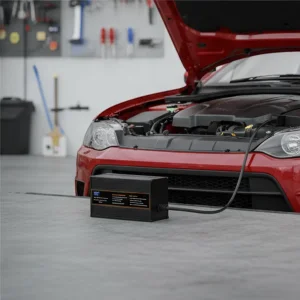
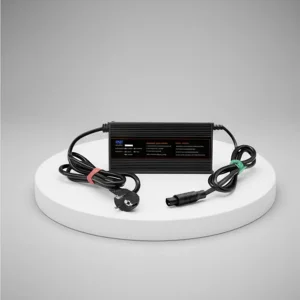
Heavy-duty power systems and charging solutions designed to maximize fleet uptime and energy efficiency.
 GLHF Golf